

Reviewed · WALKING TOURS
Jaipur walking tour.
Stories beat monuments in Jaipur. This tour is about the stuff you can’t photograph from a distance: how Jaipur’s faith, caste, and everyday trade shape daily life in the Pink City—told street-by-street with a story-first approach. I love that it doesn’t feel like a checklist; it feels like being let into the city’s real rhythm.
Second, I like the way the walk centers on Johri Bazaar and the surrounding old-city lanes, with a mix of market craft, temple moments, and local character that turns names and traditions into something you can understand. One drawback to plan for: it’s an early morning start and you’ll visit temples, so you need clothing that works fast, plus shoes that come off easily.
In This Review
- Key things to know before you go
- Why a morning walking tour in Jaipur feels different
- Sanganeri Gate meetup and the rhythm of a 2.5-hour walk
- Johri Bazaar: where jewelry trade meets old-city faith
- Deepak’s storytelling style: humor, context, and real-life connections
- Temple moments: what to wear and how to act on-site
- Snacks, water, and how to stay comfortable while walking
- Private tour value: paying for attention, not just time
- Who this Jaipur walk suits best (and who might prefer something else)
- The bottom line: should you book Once Upon a Time in Jaipur?
- FAQ
- What time does the Jaipur walking tour start?
- How long is the walk?
- Where do I meet the guide?
- What’s included, and what’s not?
- Is this tour private?
- Do I get a ticket on my phone?
- What should I wear for the temple stop?
- Should I bring water or take photos?
- What if weather is bad?
Key things to know before you go
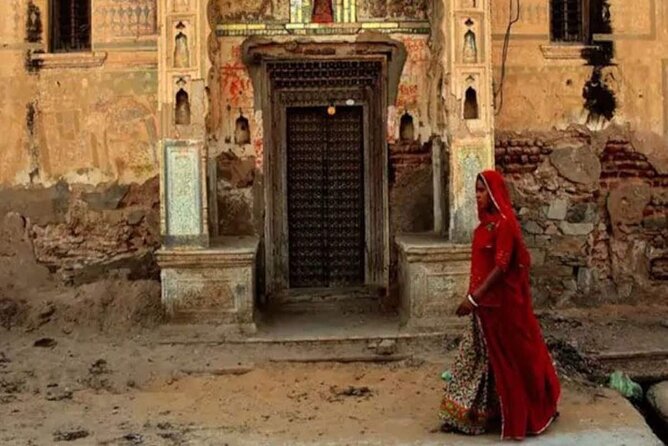
- A guide named Deepak who brings humor and a personal, calm style to the stories
- Johri Bazaar as the anchor, with market life and trade culture in focus
- Temple etiquette is built into the walk, including long sleeves/pants and easy-to-remove shoes
- Snacks are included, but you still need your own water and plan for walking time
- Private group feel, since only your group participates, so it’s easier to ask questions
On foot through the old Jaipur lanes
- Jaipur Bazaar & Food Walking Tour
★ 5.0 · 281 reviews - Heritage Walk & Street Food Tasting in Jaipur
★ 5.0 · 158 reviews - Magical Walk of Jaipur
★ 5.0 · 121 reviews - Cultural Walk and Food Tasting In Jaipur
★ 5.0 · 118 reviews
Why a morning walking tour in Jaipur feels different
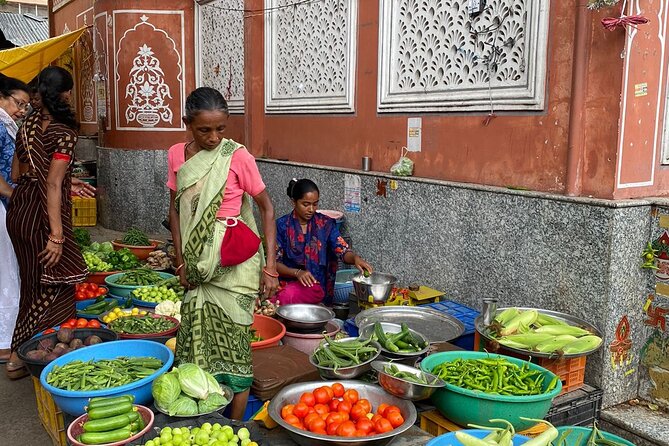
Jaipur has the big-photo side—forts, palaces, city icons—but this type of walk points you toward the human scale. You start in the old city near Sanganeri Gate, and the emphasis is on the living “in-between” spaces: the lanes, the temples, the places where people actually work, shop, pray, and talk.
What makes this one interesting is the focus on how beliefs show up in daily life. You’ll hear stories about religion and community, and you’ll see how those ideas influence what happens in markets and homes. It’s not just “history facts,” it’s the logic of the city as people experience it.
And the timing matters. A 7:30am start means you get moving while the streets are still settling into the day. If you prefer Jaipur as a neighborhood, not a postcard, that early start is a big part of the value.
Sanganeri Gate meetup and the rhythm of a 2.5-hour walk
The tour starts at 7:30am at Sanganeri Gate, Pink City, Jaipur. It runs about 2 hours 30 minutes, and it ends back at the same meeting point, so you’re not left figuring out your way back through the old-city maze.
This is a walking tour, so the practical side matters: you should plan for steady steps through tight lanes. The route also includes temple time, which means short pauses for respectful entry and the quick change of pace that happens when you reach places of worship.
One logistics point: the tour listing doesn’t promise private transportation, but one past experience included being driven to the Johri Bazaar area. If you arrive on your own, just be ready to walk in from nearby access points. If you’re using local transport, the meetup is near public transportation, which helps.
Johri Bazaar: where jewelry trade meets old-city faith
The tour’s main stop is Johri Bazaar, which is known for jewelry-making and the trading life around it. What I like about focusing here is that it gives you a direct link between craft and culture. You’re not only watching the market—you’re learning how people think about their work, their community roles, and their daily obligations.
In this area, temple spaces and market lanes often overlap in your experience. You may see worship routines and feel how religion influences the flow of the street. That’s why attire matters: the tour advises long pants and long sleeves for temple visiting, plus shoes you can remove easily.
There’s also a playful, watch-your-step element to old Jaipur. You might spot the “jumping monkeys” people talk about moving across rooftops, and that adds to the sense that you’re seeing the city as it really functions, not as a museum set.
And if you want a small “you’ll notice it quickly” cultural skill, the walk encourages you to pay attention to local head gestures. In daily interaction, the meaning of a nod or shake can differ from what you expect—so be observant and ask if you’re unsure.
Deepak’s storytelling style: humor, context, and real-life connections
The standout in the experiences you can read about is the guide. Many descriptions mention Deepak by name: warm, kind, and humorous, with a way of making the walk feel easy rather than formal. That matters because in a neighborhood walk, your comfort level drives how much you’ll absorb.
What makes the stories useful is the way they connect big themes to small moments. You’ll hear about faith, caste, and community—and how those shape modern Jaipur. Instead of presenting these topics as distant theory, the guide ties them to the shops, the daily routines, and the roles people play: priests, shopkeepers, bangle makers, chai sellers, and school communities.
There’s also a “through-their-eyes” approach in the telling. You’re encouraged to look at what people are doing now, while the stories help explain why it looks that way. That’s where the walk becomes more than sightseeing—it becomes understanding.
If you like guides who answer questions on the spot, this private format helps. You’re not competing for attention in a group of strangers.


Temple moments: what to wear and how to act on-site
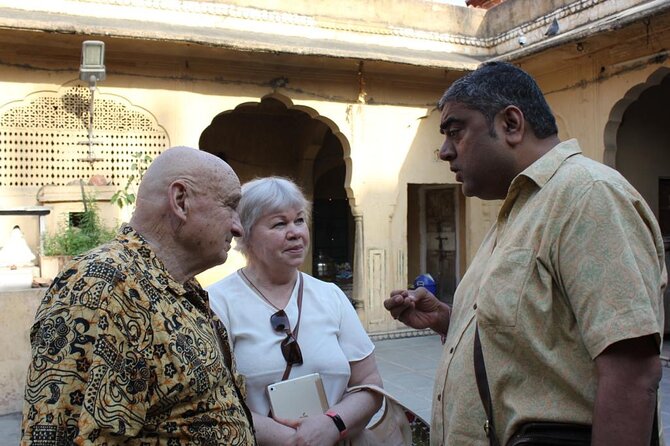
Temple visiting is part of the experience, so don’t treat it like an optional add-on. The advice is clear: wear long sleeves and long pants, and plan for easy-to-remove shoes. Even if you’re not visiting long inside, that moment can happen faster than you expect, so dress for speed and comfort.
On etiquette, one practical reminder stands out: ask permission before taking a photo of a person. In a market and temple-adjacent environment, you’re likely to see people working or praying, and permission helps you stay respectful while also avoiding awkwardness.
Also expect real streets. Some information points out you may come across dirty corners with garbage. That’s not a reason to skip the tour, but it is a reason to keep your expectations grounded. This is daily life. Some of it is beautiful, and some of it is just… life.
A small strategy that helps: hold your phone, look first, and only shoot when someone gives you a clear moment or you’ve gotten the go-ahead. The walk is built around conversation, not photo ops.
Snacks, water, and how to stay comfortable while walking
Snacks are included, and that’s a smart inclusion for a 2.5-hour morning. It helps you keep your energy steady during the walking and temple timing.
But water is on you. The tour advice says to carry water bottles, and that’s genuinely important in Jaipur. You’ll be walking, pausing, and listening—so even if you feel fine at the start, thirst and fatigue can creep up.
Because you’re moving in and out of lanes, I recommend thinking about your footwear like you’d think about a museum day: comfortable first, stylish second. Shoes that are easy to take off will pay off. If you’re used to sandals, remember the temple shoe rule could still slow you down unless you can handle removal and putting them back on quickly.
One more tip: since the tour requires good weather, you may need to adjust if the morning is cloudy or rainy. If weather forces changes, you’ll be offered another date or a refund, so it’s worth checking conditions the night before.
Private tour value: paying for attention, not just time
At $34.04 per person for about 2 hours 30 minutes, the value comes from what’s being delivered, not just the duration. You’re paying for:
- a guided narrative focused on daily life (not only monuments)
- temple context and etiquette cues
- a walking experience tailored to what’s happening in the neighborhood
- a private group format, meaning it’s only your group, not a multi-language crowd
That last point can matter more than people expect. In a private walk, you can ask follow-ups about the role of artisans, why certain practices continue, or how a market works beyond sales. It also helps with pacing when you need extra time to look, take a break, or ask a question.
This isn’t a “see it all” tour of Jaipur. It’s a “see it clearly” tour of old-city life. If you already plan palace and fort time, this kind of neighborhood walk becomes the missing piece.
Who this Jaipur walk suits best (and who might prefer something else)
This walk fits best if you like the human side of travel. It’s ideal for people who prefer back lanes over big-name viewpoints, and for anyone who enjoys learning through stories and everyday observations.
It also works well for couples and solo travelers who want conversation without performing for a camera. Many mentions highlight how the guide helps you feel at ease, which is a big deal if you’re nervous about walking in tight streets or stepping into temple spaces.
If you’re traveling with kids, the experience style can be a good match because the pace is active and the storytelling tone is described as fun and humorous. Just remember the dress and shoe rules for temples.
The main mismatch would be if you’re looking for a “monument-hopping” tour with lots of stops and photo-famous sites every 10 minutes. This tour’s strength is depth of daily life around Johri Bazaar, not ticking landmark boxes.
The bottom line: should you book Once Upon a Time in Jaipur?
I’d book this if you want Jaipur to feel personal and lived-in. The combination of Deepak’s style, the focus on Johri Bazaar street life, and the way the walk ties faith and community to real routines makes it more memorable than a standard heritage loop.
I’d think twice only if:
- you hate walking and don’t want temple dress/shoe changes
- you’re expecting mostly famous monuments
- you’re arriving without an easy way to get to Sanganeri Gate early
If you can handle an early start and you’re curious about how Jaipur works at street level, this is a strong use of your morning—and one of the better ways to understand the Pink City beyond its skyline.
FAQ
What time does the Jaipur walking tour start?
The tour starts at 7:30am.
How long is the walk?
It lasts about 2 hours 30 minutes.
Where do I meet the guide?
You meet at Sanganeri Gate, Pink City, Jaipur, Rajasthan 302003, India.
What’s included, and what’s not?
Snacks are included. Breakfast and private transportation are not included.
Is this tour private?
Yes. This is a private tour/activity, so only your group participates.
Do I get a ticket on my phone?
Yes, the tour uses a mobile ticket.
What should I wear for the temple stop?
You’re advised to wear long pants and long sleeves. You should also wear easy-to-remove shoes for temple areas.
Should I bring water or take photos?
Bring a water bottle. And ask permission before taking a picture of a person.
What if weather is bad?
The experience requires good weather. If it’s canceled due to poor weather, you’ll be offered a different date or a full refund.
If you want, tell me your travel dates and where you’re staying in Jaipur, and I’ll help you plan a simple route to the 7:30am meetup without stress.
Jaipur on Foot: More Walks
- Jaipur Bazaar & Food Walking Tour★ 5.0 · 281 reviews
- Heritage Walk & Street Food Tasting in Jaipur★ 5.0 · 158 reviews
- Magical Walk of Jaipur★ 5.0 · 121 reviews
- Cultural Walk and Food Tasting In Jaipur★ 5.0 · 118 reviews
- Jaipur Heritage Walk with Rickshaw Ride★ 5.0 · 105 reviews
- Jaipur Heritage Evening Walk – The Twilight Magic of Pink City★ 5.0 · 93 reviews
More Jaipur Tours to Compare
- Jaipur: Private Full Day Sightseeing Tour By Car with Guide★ 4.9 · 1,839 reviews
- 3-Hour Morning Bike Tour of Jaipur★ 5.0 · 1,253 reviews
- Jaipur: Private Sightseeing Day Tour with Guide by Car★ 4.8 · 773 reviews
- Jaipur: Full-Day City Tour with Car, Guide & Skip-the-Line★ 4.8 · 512 reviews
- Full-Day Jaipur Private Sightseeing Tour by Car with Guide★ 5.0 · 472 reviews
- Pink City Cooking Class★ 5.0 · 452 reviews
Newly Added Jaipur Reviews




More from Walking Tours.
 ★ 5.0Jaipur Bazaar & Food Walking TourFrom $37281 reviews
 ★ 5.0Heritage Walk & Street Food Tasting in JaipurFrom $21158 reviews
 ★ 5.0Magical Walk of JaipurFrom $10121 reviews
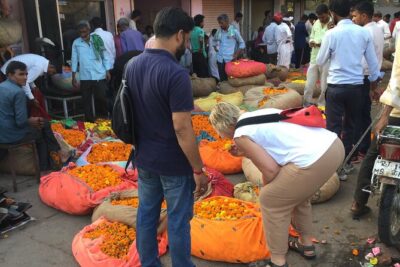 ★ 5.0Cultural Walk and Food Tasting In JaipurFrom $22118 reviews
Jaipur Heritage Walk with Rickshaw RideFrom $11105 reviews
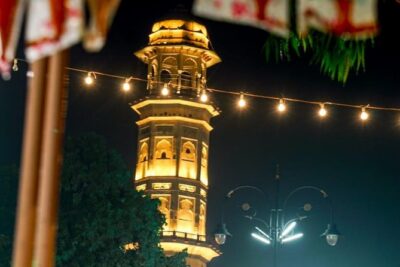 ★ 5.0Jaipur Heritage Evening Walk – The Twilight Magic of Pink CityFrom $3593 reviews
 ★ 5.0Nahargarh Water Walk – Guided 2-Hour Heritage Tour in JaipurFrom $3989 reviews
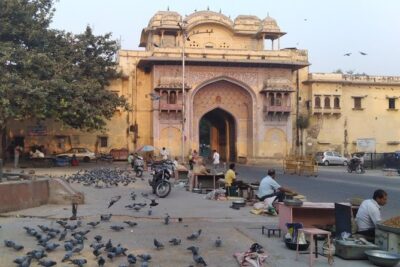 ★ 5.0Jaipur Heritage Walking Tour – Local life, Havelis and TemplesFrom $1672 reviews
This tour also appears in