
Reviewed · JAIPUR BAZAARS & SHOPPING
Jaipur Bazaar & Food Walking Tour
Three hours, street food, and pink walls. I like this small-group setup (max 10) and I also like that the street food tasting is included. One thing to consider: the walk goes through tight lanes where it can get loud and crowded, so you’ll want to keep your pace flexible.
This is the kind of tour where you get a useful rhythm for Jaipur: look, ask, taste, move on. You’ll see artisans at work in Pink City shops, including silversmiths and bangle-makers, and you’ll hear what locals say matters in their daily life. If you’re hoping for a super-quiet stroll, this one is not that.
In This Review
- Key things that make this Jaipur Bazaar walk worth it
- Why Jaipur’s Pink City bazaars fit a half-day tour
- Starting point near Hawa Mahal: Roop Rani Bangles and your first orientation
- Navigating backstreets with a small group of 10
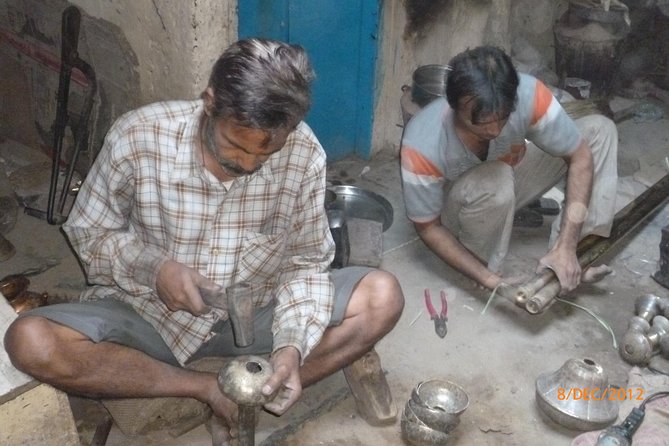
- Artisan shops: silversmiths and bangle-makers at work
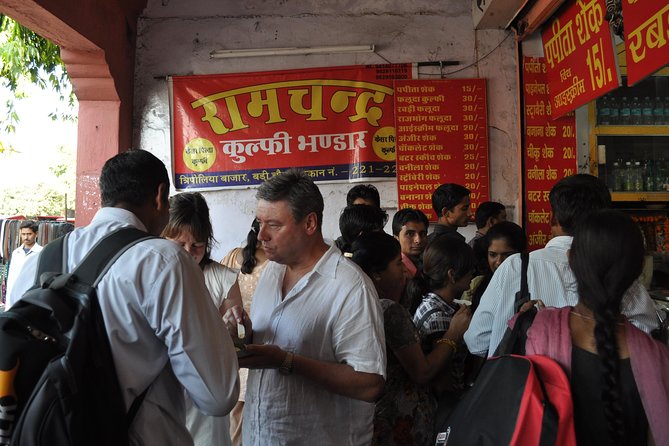
- The food tasting: samosa, lassi, and kulfi in the middle of the market
- Local families and customs: what you learn beyond the photos
- Price and value: what $37 covers, and why it feels fair
- Weather, walking comfort, and the one logistics move that really matters
- Who this tour is best for
- Should you book the Jaipur Bazaar & Food Walking Tour?
- FAQ
- What is the duration of the Jaipur Bazaar & Food Walking Tour?
- How many people are in the group?
- What food is included on the street food tasting?
- What’s included besides the food?
- Where do I meet, and where does the tour end?
- What time does the tour start?
- Is transportation included?
- What if the weather is bad?
- Can I cancel for free?
Key things that make this Jaipur Bazaar walk worth it
- Max 10 people means more time for questions and less time waiting around
- Included street food sampling like samosa, lassi, and kulfi, plus bottled water
- Craft stops with silversmiths and bangle-makers working in real shops
- Local families’ stories that explain customs and etiquette in plain language
- Pink City backstreets give you the old-city feel without needing a map degree
More lanes of Johari and Bapu to get lost in
- Jaipur Bazaar & Food Walking Tour
★ 5.0 · 281 reviews - Full Day Old City Private Tour with Local Market visit in Jaipur
★ 5.0 · 151 reviews - Private Shopping Tour in Jaipur
★ 5.0 · 135 reviews - Jaipur Tuk-Tuk Tour with Flower Market Visit
★ 5.0 · 124 reviews
Why Jaipur’s Pink City bazaars fit a half-day tour
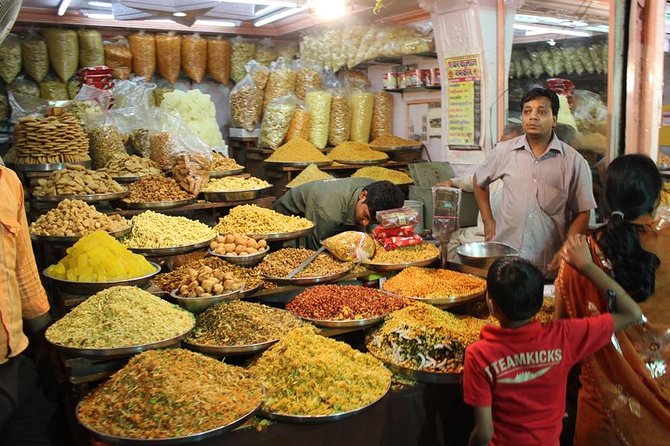
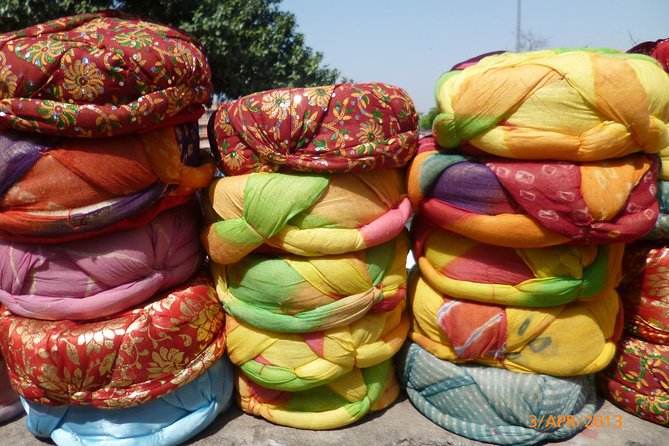
Jaipur is big on color, but it’s the old-city lanes that do the real work for you. This 3-hour format is ideal because you get that “I’m here” feeling fast, without committing to a full day or getting stuck on logistics. Starting around 12:30 pm also makes sense because you’ll be able to see shop life while still catching daytime buzz.
I also like how the tour is built around street-level culture rather than big-ticket sights. Instead of only looking outward, you learn how people shop, trade, and make things by watching craftspeople and listening to local context. That combo helps you understand what you’re seeing, not just what it looks like.
The price—about $37—is realistic for a guided, small-group walk that includes food. When a tour includes tastings, you’re not just paying for narration; you’re paying for someone to guide you to the right places to eat safely and sensibly in busy markets.
Starting point near Hawa Mahal: Roop Rani Bangles and your first orientation
You meet at Roop Rani Bangles, shop area No. 18, Khanda Hawa Mahal, in the old city. It’s a good place to anchor yourself because it’s firmly in the Pink City shopping zone, not out on some far edge of town. You’ll start the walk from there and return back to the meeting point at the end.
If you’ve ever tried to meet up in a market area, you know how easy it is to end up in the wrong spot. One past hiccup showed up as a real-world example: someone thought the guide would be in front of the palace, while the group was near the store. The practical takeaway for you is simple—arrive a few minutes early and check in quickly if you’re off by even a short distance.
Once you’re assembled, your guide will help you get your bearings. That matters because these lanes don’t behave like modern streets. One turn can change the whole feel, and a guide saves you from wandering in circles when you’re trying to see and taste.
Navigating backstreets with a small group of 10
This tour keeps the group capped at 10 people, and you’ll feel the difference. Big walking tours move like a school bus. A group this size can pause without getting tangled up, and you can ask follow-up questions without your guide rushing to “the next stop.”
The route is designed for market areas—meaning you’ll walk through narrow lanes where you’ll brush past shop fronts and moving people. It’s not a stroller-friendly or wheel-friendly kind of walk based on what’s implied by the street setting, so plan for standing, walking, and short squeezes. Comfortable shoes are not optional here.
And because it’s only 3 hours, you don’t have time to get bored. The pace is more like “watch for a minute, talk for a minute, taste for a minute, then go.” That keeps your attention switched on and makes the whole market feel connected rather than random.
Artisan shops: silversmiths and bangle-makers at work
One of the best parts is seeing craft work in motion. The tour focuses on Pink City artisan shops where silversmiths and bangle-makers work, not just a quick glance from the sidewalk. This is where you’ll learn how many of these crafts stay tied to family businesses and local tradition.
Why this matters for you: Jaipur shopping can feel like a blur when you don’t know what you’re looking at. Watching artisans at work gives you a reference point for questions like:
- What’s happening in the process right now?
- What materials or techniques are being used?
- Why certain pieces cost more than others?
Even if you’re not buying anything, this kind of viewing turns the market into a learning experience. It also makes your bargaining instincts sharper, because you understand effort and craft behind the objects.
There’s also a social angle. Craftspeople don’t just sell; they explain. The guide’s job is to translate what you’re seeing into something you can use—so you don’t leave with only pretty photos.
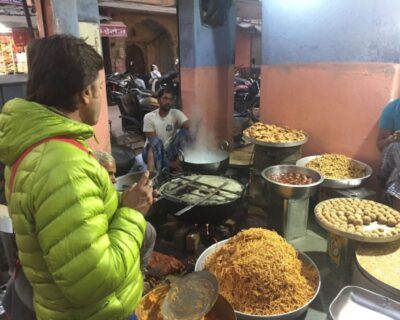
Still hungry? More kachori, ghewar and chaat stops
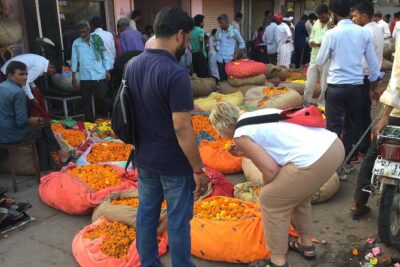

The food tasting: samosa, lassi, and kulfi in the middle of the market
The included food is the heart of the tour. You’ll get free street food sampling with tastings that include samosa, lassi, and kulfi, plus bottled water. That’s a smart value move because street food sampling costs money fast when you do it on your own.
What I like about this setup is that it takes the guesswork out of eating in a market. Your guide helps you hit places that fit the tour’s flow, so you’re not spending your energy figuring out where to stand, what to order, and whether it’s worth your time.
Here’s how I’d approach it as a practical eater:
- Start with the savory bite first (samosa-style), then cool down with something creamy like lassi.
- Save the sweet-and-cold element (kulfi-style) for the later part of the walk.
- Keep sipping bottled water so you don’t get sluggish in the heat or crowd.
Also, going mid-day means your taste buds are ready and your energy is steadier. If you’ve got a sensitive stomach, this is still street food, but the presence of a guide and bottled water is a helpful guardrail.
Local families and customs: what you learn beyond the photos
This tour doesn’t just point at goods. It also brings in people stories—what local families share and what daily customs look like from the inside. That angle helps you understand the meaning behind the visual stuff.
For you, that’s the difference between a market visit that feels like shopping and a market visit that feels like culture. When a guide explains etiquette and local habits, you’ll know how to behave without awkwardness. You’ll also get better at reading shop interactions, which can be confusing if you only rely on intuition.
Even small bits of context can change how you see everything. You’ll notice how craft, trade, and family work together in Pink City life. And once you connect those dots, Jaipur starts to feel less like a list of landmarks and more like a place with logic.
Price and value: what $37 covers, and why it feels fair
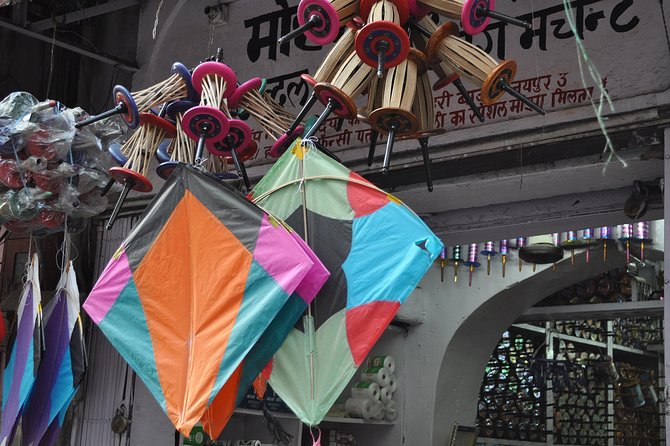
At about $37 for roughly 3 hours, the tour is priced like a good market-side experience, not a bargain “just walk with someone” deal. What you’re really paying for is:
- a guide who can navigate busy lanes without wasting your time
- access to artisan shop moments (silversmiths and bangle-makers at work)
- and included tastings (samosa, lassi, kulfi) plus bottled water
If you’ve eaten street food before, you know how quickly costs add up when you’re sampling several items. Add the guide, and $37 starts to look reasonable, especially since the group stays small at 10. You’re not being treated like a crowd, and the food isn’t an optional add-on you might skip.
One practical note: the tour data says private transportation isn’t included. So you’ll want to plan your own way to the meeting point near Roop Rani Bangles. If you’re already in the Hawa Mahal / old-city zone, that’s a non-issue. If you’re coming from farther out, factor in travel time so you don’t feel rushed.
Weather, walking comfort, and the one logistics move that really matters
The experience requires good weather. If weather is poor, the tour may be canceled and you’ll be offered another date or a refund. That’s normal for outdoor walking, but it’s still important because Jaipur’s feel changes fast with heat and rain.
You’ll also want to think about walking comfort. This is a backstreet walk through active market areas. Bring shoes you can trust for repeated steps and close quarters. If you’re wearing brand-new shoes, you’re rolling the dice.
Finally, do yourself a favor with the meeting point. The tour starts at Roop Rani Bangles, shop area No. 18. Be early, and keep your phone ready in case you need quick coordination. One earlier mix-up showed how small distance differences can cause confusion when you’re meeting in a busy market zone.
Who this tour is best for
I’d book this if you want:
- food plus culture in a short time
- a small group where you can ask questions
- craft viewing that goes past window-shopping
- a guided way to experience Pink City lanes without getting lost
It’s also a solid choice if you’re a “show me how people live” kind of visitor. You’ll learn customs from local families and watch craftspeople work in real shops, which makes the market feel grounded.
If you’re only interested in major monuments and want minimal walking, you might find this less aligned. But if you enjoy markets, street-level details, and eating your way through a neighborhood, this is right up your alley.
Should you book the Jaipur Bazaar & Food Walking Tour?
I think you should book it if you like a structured market experience where the food is included and the group stays small. The combination of craft shop time (silversmiths and bangle-makers), local story context, and tastings like samosa, lassi, and kulfi hits the sweet spot for Jaipur.
Book it especially if you’re staying near the Pink City and can start at 12:30 pm without stress. If you’re traveling on a day with questionable weather or you hate crowded lanes, consider another plan.
Bottom line: for about $37, you get a guided old-city walk that pays attention to food and real craft work. That’s the kind of value that makes a short tour feel longer—in the best way.
FAQ
What is the duration of the Jaipur Bazaar & Food Walking Tour?
The tour lasts about 3 hours.
How many people are in the group?
The experience has a maximum group size of 10 people.
What food is included on the street food tasting?
The tasting includes samosa, lassi, and kulfi.
What’s included besides the food?
Bottled water and the street food sampling are included.
Where do I meet, and where does the tour end?
You start at Roop Rani Bangles, Shop No. 18, Khanda Hawa Mahal, Badi Chopad, Malve Nagar area, Jaipur. The tour ends back at the meeting point.
What time does the tour start?
The start time is 12:30 pm.
Is transportation included?
No, private transportation is not included.
What if the weather is bad?
This experience requires good weather. If it’s canceled due to poor weather, you’ll be offered a different date or a full refund.
Can I cancel for free?
Yes. You can cancel up to 24 hours in advance for a full refund.
More Jaipur Tours to Compare
- Jaipur: Private Full Day Sightseeing Tour By Car with Guide★ 4.9 · 1,839 reviews
- 3-Hour Morning Bike Tour of Jaipur★ 5.0 · 1,253 reviews
- Jaipur: Private Sightseeing Day Tour with Guide by Car★ 4.8 · 773 reviews
- Jaipur: Full-Day City Tour with Car, Guide & Skip-the-Line★ 4.8 · 512 reviews
- Full-Day Jaipur Private Sightseeing Tour by Car with Guide★ 5.0 · 472 reviews
- Pink City Cooking Class★ 5.0 · 452 reviews
Eat Jaipur: More Street Food
- Heritage Walk & Street Food Tasting in Jaipur★ 5.0 · 158 reviews
- Cultural Walk and Food Tasting In Jaipur★ 5.0 · 118 reviews
- Guided Morning Bicycle Tour with Food Tasting in Jaipur★ 5.0 · 117 reviews
- Jaipur Market Tour & Vegetarian Rajasthani Home Cooking Class★ 5.0 · 113 reviews
- Food Tour and Eat like Locals★ 5.0 · 111 reviews
- Food Walking Tour in Jaipur★ 5.0 · 71 reviews
More Bazaar Mornings in Jaipur
- Full Day Old City Private Tour with Local Market visit in Jaipur★ 5.0 · 151 reviews
- Private Shopping Tour in Jaipur★ 5.0 · 135 reviews
- Jaipur Tuk-Tuk Tour with Flower Market Visit★ 5.0 · 124 reviews
- Jaipur Tour by Tuk-Tuk or Car with Flower Market★ 5.0 · 120 reviews
- Jaipur: Half-Day Guided Sightseeing Tour with Flower Market★ 4.9 · 119 reviews
- Jaipur Market Tour & Vegetarian Rajasthani Home Cooking Class★ 5.0 · 113 reviews
Newly Added Jaipur Reviews




More from Jaipur Bazaars & Shopping.
 ★ 5.0Full Day Old City Private Tour with Local Market visit in JaipurFrom $55151 reviews
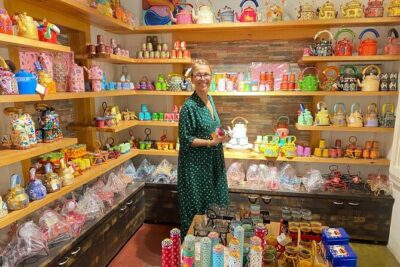 ★ 5.0Private Shopping Tour in JaipurFrom $16135 reviews
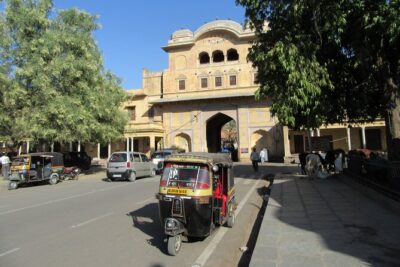 ★ 5.0Jaipur Tuk-Tuk Tour with Flower Market VisitFrom $6124 reviews
 ★ 5.0Jaipur Tour by Tuk-Tuk or Car with Flower MarketFrom $6120 reviews
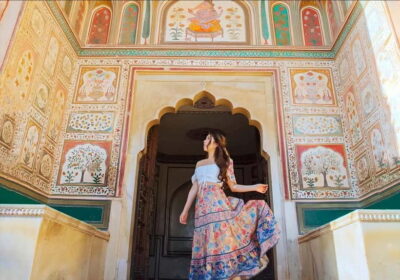 ★ 4.9Half-Day Guided Sightseeing Tour with Flower MarketFrom $4119 reviews
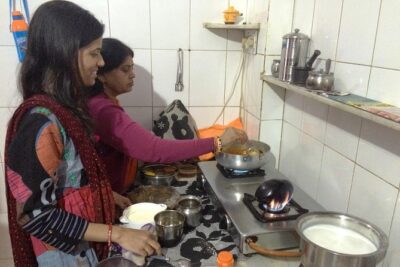 ★ 5.0Jaipur Market Tour & Vegetarian Rajasthani Home Cooking ClassFrom $60113 reviews
 ★ 5.0Half or Full Day Sightseeing Tour with Flower MarketFrom $794 reviews
 ★ 5.0Jaipur Private Shopping Tour with PickupFrom $676 reviews
This tour also appears in