
Reviewed · HISTORICAL TOURS
Jaipur Heritage Walking Tour – Local life, Havelis and Temples
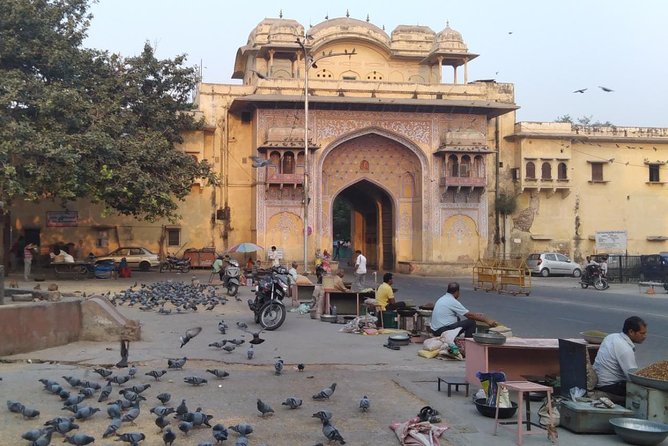
Pink City street life hits fast, on foot. I like how this tour blends local markets with temple moments, and I also like the chance to taste street food from trusted spots. You get a guide who sets a comfortable pace and knows how to explain what you’re actually seeing.
One thing to plan for: the Hawa Mahal ticket is not included, so you may pay extra if you want to go beyond the exterior photo stop. The good news is the rest of the major stops are covered with free entry.
This is a straightforward 3-hour heritage walk in Jaipur, designed for small groups and close-up looking, not long bus rides. If you enjoy markets, crafts, and everyday city scenes, you’ll feel like you found Jaipur’s real rhythm.
In This Review
- Key Points Before You Go
- Why This Jaipur Heritage Walk Feels Local
- Starting Point on Hawa Mahal Road: Getting Oriented Fast
- Hawa Mahal: The Wind Palace Exterior Stop (Ticket Not Included)
- City Palace Area and Old Havelis: Architecture You Can Actually See Up Close
- Pink City Wholesale Market: Flowers, Vegetables, and Real Supply Lines
- Govind Devji Temple: Watching aarti With Context
- Tripolia Bazar Craft Demos: Lac Bangles, Marble, and Brass Work
- Street Food Snacks and Coffee/Tea: What Included Means for Value
- Group Size, Pace, and Why It Makes a Difference in Jaipur
- Logistics That Affect Your Day (Without Being Annoying)
- Price and Value: How $16 Works Here
- Who This Tour Suits Best
- Should You Book the Jaipur Heritage Walking Tour?
- FAQ
- How long is the Jaipur Heritage Walking Tour?
- What does the tour cost?
- Is admission to Hawa Mahal included?
- What is included in the tour price?
- What is the meeting point?
- Does the tour end at the meeting point?
- Is the tour private for my group?
- What if the weather is bad?
Key Points Before You Go

- Small group, personal pace: You stay close to your guide and can slow down when you spot something interesting.
- Govind Devji Temple ceremony timing: You’ll see one of the temple’s daily ceremonies, with advice to aim for the morning aarti if possible.
- Pink City wholesale market stop: A practical look at how Jaipur’s flower and vegetable supply chain works.
- Tripolia Bazar craft demos: Watch traditional makers at work, including lac bangle, marble carving, and brass utensil crafting.
- Snacks and coffee/tea included: You don’t just walk past food. You get reliable tasting stops plus free bottled water.
On foot through the old Jaipur lanes
- Jaipur Bazaar & Food Walking Tour
★ 5.0 · 281 reviews - Heritage Walk & Street Food Tasting in Jaipur
★ 5.0 · 158 reviews - Magical Walk of Jaipur
★ 5.0 · 121 reviews - Cultural Walk and Food Tasting In Jaipur
★ 5.0 · 118 reviews
Why This Jaipur Heritage Walk Feels Local
Jaipur can be done in two ways: postcard quick stops, or real street-level time. This tour leans hard toward the second option. You walk through the Pink City with a local guide, then connect markets, crafts, and worship in a way that makes the city feel like it has a daily routine, not just sightseeing slots.
I especially like the mix of sight types. You’re not only seeing monuments; you’re also seeing how people work and pray. The tour also includes practical refreshment—free bottled water and coffee/tea—so you can stay focused instead of hunting for drinks mid-walk.
Also worth noting: the guide is not just reciting facts. People rave about Viru’s ability to adjust to the group, including families with kids, without turning the tour into a blur. That flexibility matters in Jaipur’s older lanes, where traffic noise and crowds can change your pace fast.
Starting Point on Hawa Mahal Road: Getting Oriented Fast
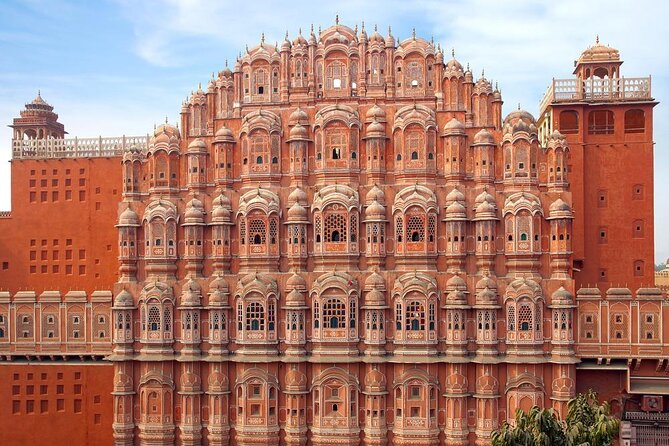
You meet near Hawa Mahal Road in the Pink City area, close enough to the landmark that it makes sense as a first landmark anchor. The idea is simple: get your bearings early, then move into narrower lanes where you’ll see more of the everyday city.
From the start, you’ll have a guide who frames what you’re about to notice. In Jaipur’s old quarters, it’s easy to feel lost. On this walk, you’re meant to understand what’s around you: market areas, craft lanes, and religious spaces all in the same radius.
This is also a tour format that tends to work well even if it’s your first day in Jaipur. You’re not trying to do everything; you’re getting a working mental map for later visits.
Hawa Mahal: The Wind Palace Exterior Stop (Ticket Not Included)
Your first big landmark is Hawa Mahal, the Palace of Wind. It was built in 1799 by King Sawai Pratap Singh, originally so women of the royal court could watch the market procession below.
Here’s the key practical point: the stop includes a short view and time on the outside, but admission is not included. That means if you want to pay for entry, you’ll likely do that separately.
Even as an exterior stop, it’s a great choice for the beginning of the tour. You get the shape, the famous facade rhythm, and the sense of why this building matters in street life below it. Then you transition from royal-era viewing to the modern markets that sit in the same neighborhood world.
If you’re the type who hates surprise add-ons, check in with your guide about whether you want to go inside at this moment. It’s better to decide with a plan than to get rushed.
City Palace Area and Old Havelis: Architecture You Can Actually See Up Close
Next, you move toward the City Palace area and walk through the old-havelis feel of the Pink City. This is where the tour earns its name as a heritage walk, because you’re not just looking at a single building from far away.
You’ll be focused on narrow lanes and the look of traditional havelis: courtyards, fresco-like details (where visible), and that layered courtyard architecture that makes the old city feel intimate. Even without going heavy on museum-style time, you can still appreciate how homes were organized for shade, privacy, and community life.
One reason I like this kind of stop is that it teaches you how to look. After you’ve seen a few courtyards and facades, you start noticing patterns—door shapes, window placement, how stone and decorative elements were used. That makes the rest of Jaipur feel easier to read.
Admission here is free for the portion you see, so it’s also a good value move. You’re paying for a guide and for walking time, not for a pile of entry fees.
Deeper into old-town Jaipur
Pink City Wholesale Market: Flowers, Vegetables, and Real Supply Lines
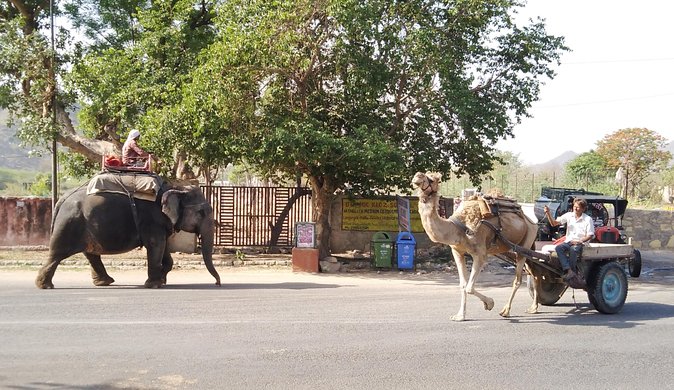
The tour then takes you to the flower and vegetable market in the Pink City area. This is described as the only wholesale flower and vegetable market in Jaipur, and that detail matters because it explains why the place feels different from a typical tourist bazaar.
You’re not just browsing. You’re watching how goods move. Depending on when you go, you can see the scale of the trade and the intensity of the daily routine—people working, sorting, and preparing for what will eventually reach households and restaurants.
This stop is often one of the most memorable parts for people because it feels purposeful. It’s a window into the city’s economy that doesn’t require a ticket and doesn’t pretend everyone’s here for souvenirs.
Tip for getting the most out of it: take a moment to watch first, then start asking questions. Your guide can point out what to look for—how traders talk to each other, how goods are grouped, and why the market’s location and layout matter.
Govind Devji Temple: Watching aarti With Context
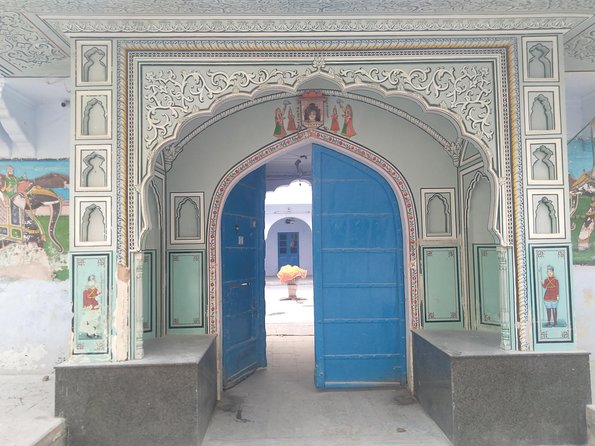
One of the most meaningful stops is Govind Devji Temple, an 18th-century Hindu temple. Here, you’ll see one of the seven ceremonies—an aarti—according to the walking tour’s program.
The guide will also personally advise you to try for the morning ceremony. That suggestion is practical: temple routines and crowd levels can differ by time, and morning often means a more attentive, steady atmosphere for the ceremony.
If you’ve never watched an aarti before, the biggest value of this stop is context. It’s not just watching people move and sing; it’s understanding what the ritual is doing and why it’s part of daily religious life.
This is also one of those moments where staying respectful and quiet helps everyone. You’ll enjoy it more if you keep your phone use light and let the guide explain what’s happening at each step.
Admission for this portion is listed as free, which adds value and keeps the tour focused on the experience rather than payments.
Tripolia Bazar Craft Demos: Lac Bangles, Marble, and Brass Work
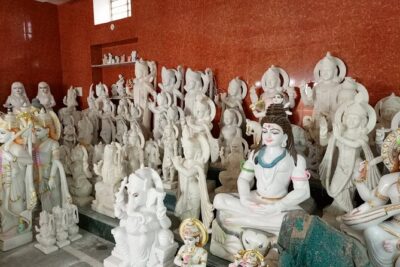
Then you’ll head to Tripolia Bazar, where traditional crafts are demonstrated. This is not a passive stop. You’re likely to see hands-on craftsmanship at work, including lac bangle making, marble carving, and brass utensil crafting.
This is a smart pairing with the market and havelis stops. Jaipur’s heritage isn’t only old buildings. It’s skills passed down through workshops and street-level craft lanes. When you watch a craft process, you start to understand how the souvenirs got made in the first place.
One of the best parts of craft demos is timing. You get to see progress, not just a finished object behind glass. That makes the craft feel more real—and it often helps you shop later with better questions.
A practical note: craft lanes can get busy, and the smells and heat can change quickly. This is where the small-group format and the guide’s pacing really help. If the lanes get crowded, your guide can usually steer you to keep the experience comfortable.
Street Food Snacks and Coffee/Tea: What Included Means for Value
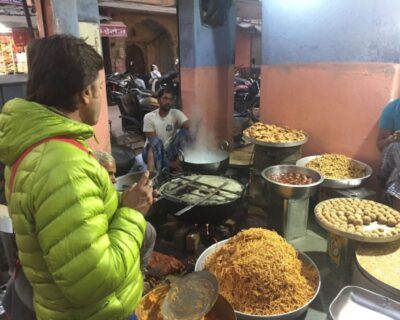
You’ll get snacks during the walk, plus coffee and/or tea. You also get free bottled water. This matters because food stops can easily balloon the cost on other walking tours, and you don’t want to keep doing math while you’re busy smelling and walking.
The tour is designed around reliable vendors, so you can focus on flavor rather than worry. I like this structure because you’re not guessing where to go. Your guide brings you to tasting stops where the experience feels safe and intentional.
One more detail: walking in the Pink City can make you thirsty fast. The fact that water is included means you’re less likely to fall into the heat-and-hunger trap that ruins a sightseeing day.
If you have dietary restrictions, tell your guide before the food stops. The tour data says snacks are included, but it doesn’t specify options. Planning ahead is the simplest way to avoid awkward moments.
Group Size, Pace, and Why It Makes a Difference in Jaipur
This tour is built for small groups and personal attention. Reviews often point out that guides can move at your pace and can adjust for kids, which is exactly what I’d want in an older city.
In Jaipur’s older neighborhoods, you’ll encounter narrow lanes, people spilling out of shops, and occasional slowdowns around market activity. A flexible guide helps you keep the experience enjoyable instead of stressed.
You’ll also be in a private setting for your group, meaning it’s not packed with strangers you don’t know. That usually makes it easier to ask questions about what you’re seeing—why a temple ceremony is done this way, or what a craft demo uses to create a final product.
If you like structured tours but hate feeling rushed, this one hits the balance. You get guided movement plus time to look.
Logistics That Affect Your Day (Without Being Annoying)
Duration is around 3 hours. That’s long enough to see real variety—landmark exterior, havelis area, market, temple, and crafts—without turning your day into a marathon.
The tour uses a mobile ticket. That’s usually convenient in India, where cash and paperwork can slow you down. You’ll also start and end back near the meeting point, which is helpful when you plan the rest of your itinerary.
The route is walking-focused, and it works best with good weather. If weather is bad, the experience may be canceled and you’ll be offered another date or a full refund. So I’d keep an eye on forecasts and avoid making this your only outdoor plan for a day with storm risk.
Price and Value: How $16 Works Here
At $16 per person, this tour is priced like a budget-friendly way to get a guide plus real city access. What you’re paying for is not a train ticket or private car time. It’s local guiding, market and craft context, and included food and drinks.
What you get included:
- snacks
- bottled water
- coffee and/or tea
What costs extra (possible):
- Hawa Mahal admission ticket, since it’s not included
When you compare that, the tour feels like a good value if you want multiple categories of Jaipur in a single walk. You also avoid the problem where you pay for a landmark but still have to figure out the food and the side streets yourself.
Also consider the timing. It’s commonly booked about 42 days in advance on average. If you’re traveling during a busy season or want a morning temple ceremony, it’s smart to book early.
Who This Tour Suits Best
This is ideal for you if:
- you want Jaipur’s Pink City feel at walking speed
- you enjoy markets, crafts, and temple culture
- you want a guide who can explain what you’re seeing
- you prefer tours that fit into a half-day plan
It may not suit you if:
- you need every stop to be fully indoor or fully ticketed
- you hate walking through crowds or narrow lanes
- you only want famous monuments with deep museum time (this focuses more on streets and working areas)
If you’re traveling with kids, it’s a good match thanks to the guide’s ability to adapt and keep the pace workable.
Should You Book the Jaipur Heritage Walking Tour?
I’d book it if you want a true Pink City taste that goes beyond a single photo spot. The strongest reasons are the guide-led clarity, the mix of everyday markets plus ritual at Govind Devji Temple, and the Tripolia Bazar craft demonstrations that turn souvenirs into something you understand.
If you’re on a tight schedule, this tour is a fast way to connect the city’s economy (markets), artistry (craft lanes), and religion (aarti) in just about 3 hours. If Hawa Mahal entry matters to you personally, plan for that extra ticket so you don’t get surprised.
It’s also a good buy at this price level because food and drinks are included, and you’re not paying separately for the majority of the experience.
FAQ
How long is the Jaipur Heritage Walking Tour?
The tour lasts about 3 hours.
What does the tour cost?
The price is $16.00 per person.
Is admission to Hawa Mahal included?
No. The Hawa Mahal ticket is not included, so you may need to pay separately if you want to enter.
What is included in the tour price?
Included items are snacks, bottled water, and coffee and/or tea.
What is the meeting point?
The tour starts near Hawa Mahal Road at Hawa Mahal Rd, Badi Choupad, J.D.A. Market, Pink City, Jaipur, Rajasthan 302002, India.
Does the tour end at the meeting point?
Yes, the activity ends back at the meeting point.
Is the tour private for my group?
Yes. Only your group participates.
What if the weather is bad?
The experience requires good weather. If it’s canceled due to poor weather, you’ll be offered a different date or a full refund.
Old Jaipur, Toured Properly
- Heritage Walk & Street Food Tasting in Jaipur★ 5.0 · 158 reviews
- Private Full-Day Sightseeing Tour of Jaipur’s Heritage by Car★ 5.0 · 110 reviews
- Jaipur Heritage Walk with Rickshaw Ride★ 5.0 · 105 reviews
- Jaipur Heritage Evening Walk – The Twilight Magic of Pink City★ 5.0 · 93 reviews
- Nahargarh Water Walk – Guided 2-Hour Heritage Tour in Jaipur★ 5.0 · 89 reviews
- Jaipur@Twilight Guided Heritage City walk tour with Food Tasting★ 5.0 · 67 reviews
Jaipur on Foot: More Walks
- Jaipur Bazaar & Food Walking Tour★ 5.0 · 281 reviews
- Heritage Walk & Street Food Tasting in Jaipur★ 5.0 · 158 reviews
- Magical Walk of Jaipur★ 5.0 · 121 reviews
- Cultural Walk and Food Tasting In Jaipur★ 5.0 · 118 reviews
- Jaipur Heritage Walk with Rickshaw Ride★ 5.0 · 105 reviews
- Jaipur Heritage Evening Walk – The Twilight Magic of Pink City★ 5.0 · 93 reviews
More Jaipur Tours to Compare
- Jaipur: Private Full Day Sightseeing Tour By Car with Guide★ 4.9 · 1,839 reviews
- 3-Hour Morning Bike Tour of Jaipur★ 5.0 · 1,253 reviews
- Jaipur: Private Sightseeing Day Tour with Guide by Car★ 4.8 · 773 reviews
- Jaipur: Full-Day City Tour with Car, Guide & Skip-the-Line★ 4.8 · 512 reviews
- Full-Day Jaipur Private Sightseeing Tour by Car with Guide★ 5.0 · 472 reviews
- Pink City Cooking Class★ 5.0 · 452 reviews
Newly Added Jaipur Reviews





More from Historical Tours.
 ★ 5.0Heritage Walk & Street Food Tasting in JaipurFrom $21158 reviews
 ★ 5.0Private Full-Day Sightseeing Tour of Jaipur’s Heritage by CarFrom $12110 reviews
Jaipur Heritage Walk with Rickshaw RideFrom $11105 reviews
★ 5.0Private Full-Day Sightseeing Tour of Jaipur’s Heritage by CarFrom $12110 reviews
Jaipur Heritage Walk with Rickshaw RideFrom $11105 reviews
 ★ 5.0Jaipur Heritage Evening Walk – The Twilight Magic of Pink CityFrom $3593 reviews
 ★ 5.0Nahargarh Water Walk – Guided 2-Hour Heritage Tour in JaipurFrom $3989 reviews
 ★ 5.0Jaipur@Twilight Guided Heritage City walk tour with Food TastingFrom $2967 reviews
 ★ 5.0Unlock Hidden Amber! – Guided 2-Hour Heritage Tour in JaipurFrom $4062 reviews
 ★ 4.4History Street Food Tour with Local GuideFrom $2750 reviews
This tour also appears in