
Reviewed · PINK CITY WALKS
Heritage Walk & Street Food Tasting in Jaipur
Jaipur tastes best on foot. This 3-hour heritage walk links the city’s architecture and crafts with street-food tastings like samosa, kachori, sweets, and masala chai. I like the craft and temple stops that explain how Jaipur’s daily life and traditions connect to what you’re eating. The only real drawback to plan for is that this is a walking tour, so comfortable shoes are not optional.
You’ll meet at the entry gate of Golcha Cinema, then move through old lanes toward Chhoti Chopad at the end. Guides vary, but reviews often highlight Vivek and others for being friendly, patient, and very clear about what you’re tasting and why it matters.
In This Review
- Key Things I’d Highlight Before You Go
- Meet at Golcha Cinema and Start Feeling Oriented Fast
- Chaura Rasta: Where the Eating Starts (And the Stories Follow)
- Badi Chaupar to Tripolia Bazar: Architecture You Can Read While You Walk
- Choti Chaupar and the Off-Main-Lane Routes That Feel Like Local Life
- Thatheras Metal Beatters, Community Wells, and Bangle Work With Sealing Wax
- What You’ll Eat, How Much It Really Is, and How to Handle Sweet vs Savory
- Value and Price: Why $21 Makes Sense for 3 Hours in Old Jaipur
- Safety, Customs, and How to Respect Temple Stops Without Missing the Moment
- Where the Walk Ends: Chhoti Chopad and a Full Stomach
- Should You Book This Heritage Walk & Street Food Tasting?
- FAQ
- Where do I meet the guide?
- How long is the Heritage Walk and Street Food Tasting tour?
- What street food and drinks are included?
- Is hotel pickup and drop-off included?
- Is the tour wheelchair accessible?
- Is photography allowed, especially inside temples?
Key Things I’d Highlight Before You Go
- Street food with guidance you can trust: you’re not just pointed at stalls; you’re told what to choose and how to spot quality.
- Old Jaipur, away from main lanes: you’ll walk through markets and into quieter gullies between the famous areas.
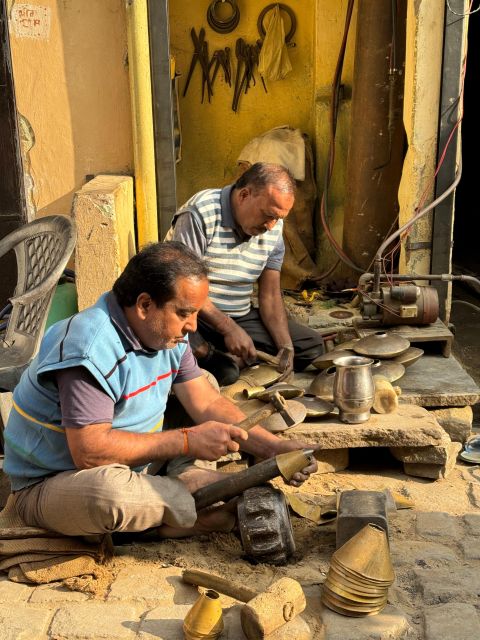
- Artisan culture you can actually watch: Thatheras metal beaters and bangle work show up on the route.
- Meaningful stops beyond snacks: you’ll visit a Hindu temple and see a community well, tied to daily life.
- Small group pace (max 10): easier for photos, questions, and comfort in tight streets.
Deeper into the walled city on foot
- Pink City Cooking Class
★ 5.0 · 452 reviews - Private Jaipur Full One Day Tour In Pink City With Guide
★ 5.0 · 322 reviews - Heritage Walk & Street Food Tasting in Jaipur
★ 5.0 · 158 reviews - Full Day Old City Private Tour with Local Market visit in Jaipur
★ 5.0 · 151 reviews
Meet at Golcha Cinema and Start Feeling Oriented Fast
This tour begins at the entry gate of Golcha Cinema. That matters more than it sounds, because Jaipur’s Old City can feel like a maze when you’re on your own. With a small group (limited to 10) and an English live guide, you get a clear plan early, plus the confidence of knowing you’re headed into the right parts of the Pink City.
You’ll want to arrive with your day already set up for walking. Bring comfortable shoes and plan to keep water handy. The tour includes a bottle of water, but Jaipur weather can still surprise you—sun, heat, or sudden cloud cover. Light clothing, plus sunscreen and a hat, is a smart move if you’re going in warmer months.
Chaura Rasta: Where the Eating Starts (And the Stories Follow)
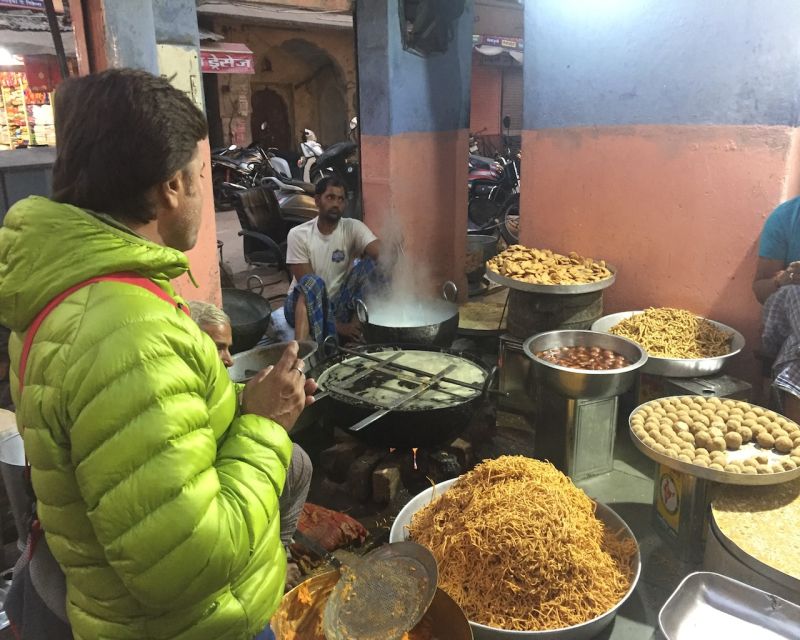
Chaura Rasta is where the tour finds its rhythm. Expect a guided walk plus tea and street-food tastings at local spots nearby. This is not a sit-down meal with a menu; it’s the real street-food way—order, eat, move on, then repeat.
Here’s what you can look forward to in this area:
- Masala chai from a local tea shop
- early street-food tastings such as samosa and kachori
- sweets that people in Jaipur treat as part of the day, not as an afterthought
What I like about starting here is that you’re eating within the flow of the neighborhood. The guide also connects what you’re tasting to the city itself, so it doesn’t feel like you’re doing a food stop list. Instead, you begin to understand why certain snacks belong on these streets.
One practical consideration: if you’re sensitive to spice or unfamiliar with Indian street food, say something at the start. Several guides on this type of tour have adjusted food choices to match visitor comfort levels, and that’s the difference between enjoying the experience and constantly worrying about what’s in your next bite.
Badi Chaupar to Tripolia Bazar: Architecture You Can Read While You Walk
After Chaura Rasta, you shift into areas around Badi Chaupar and onward toward Tripolia Bazar. This portion feels like a bridge between food and culture. You’re still eating along the way, but the guide’s job becomes explaining the city’s structure—how Jaipur is laid out, why certain gates and areas matter, and what the walls and façades are telling you.
You’ll get:
- time for a guided walk and local snacks
- scenic views while you’re traveling between areas
- context on Jaipur’s geometrical precision and the significance of its entry gates
Tripolia Bazar is especially good for understanding daily life in the Old City. It’s the kind of place where you can feel commerce happening all around you, and you’re moving on foot in a way that lets you notice details you’d miss driving past.
Also, a quick etiquette reminder that helps you enjoy this section: when you’re near religious spaces, keep your clothing modest and be ready for temple rules around photography. Flash inside temples is not the move.
Choti Chaupar and the Off-Main-Lane Routes That Feel Like Local Life
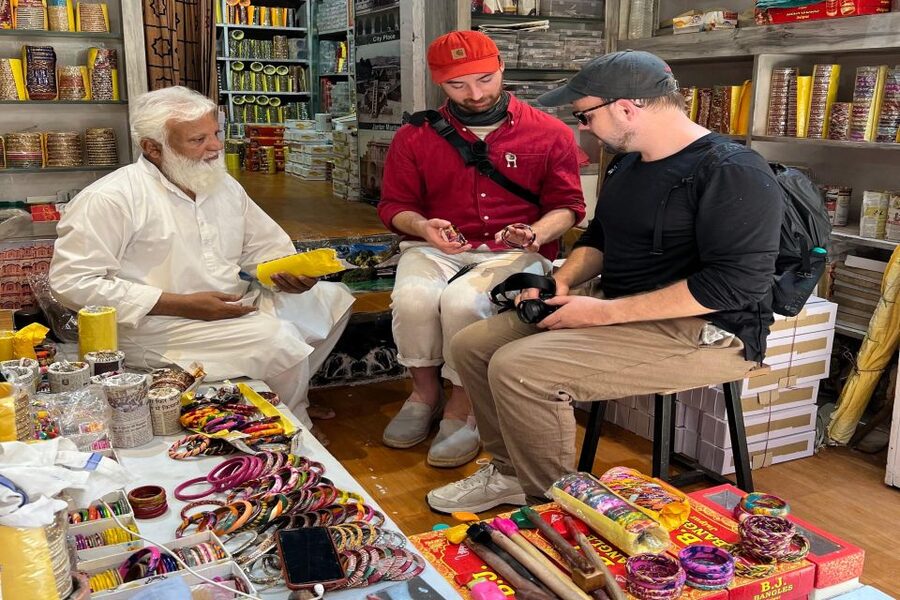
One of the strongest parts of this experience is that you’re not stuck only in the main lanes. You leave the busier paths and step into smaller gullies in Jaipur’s famous quadrants. That’s where the city starts to feel personal.
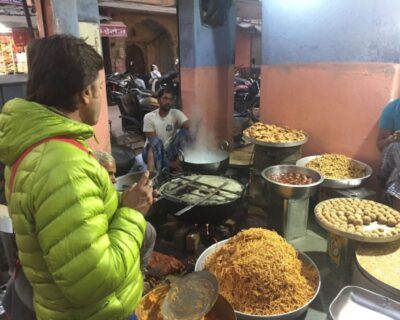
Choti Chaupar is the next key stop for more street-food tastings. You’ll get another round of snacks and regional flavors, with the guide steering you toward what to try. The value here is that you’re sampling multiple styles across different stops, not just repeating the same snack from one stall.
If you’re coming to Jaipur for a first-time walk, this is also a great way to learn how to navigate later. Several people in the past have said the route makes them feel safe walking the area afterward, because you learn landmarks and the logic of the streets, not just the food.
Still hungry? More kachori, ghewar and chaat stops

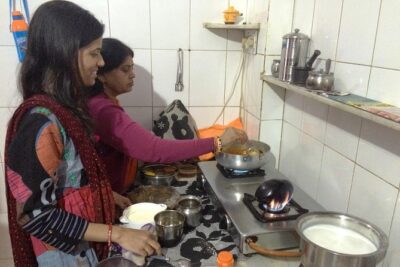
Thatheras Metal Beatters, Community Wells, and Bangle Work With Sealing Wax
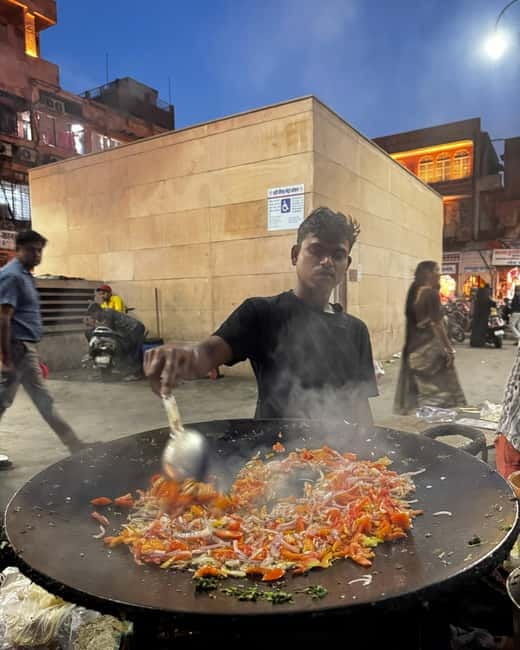
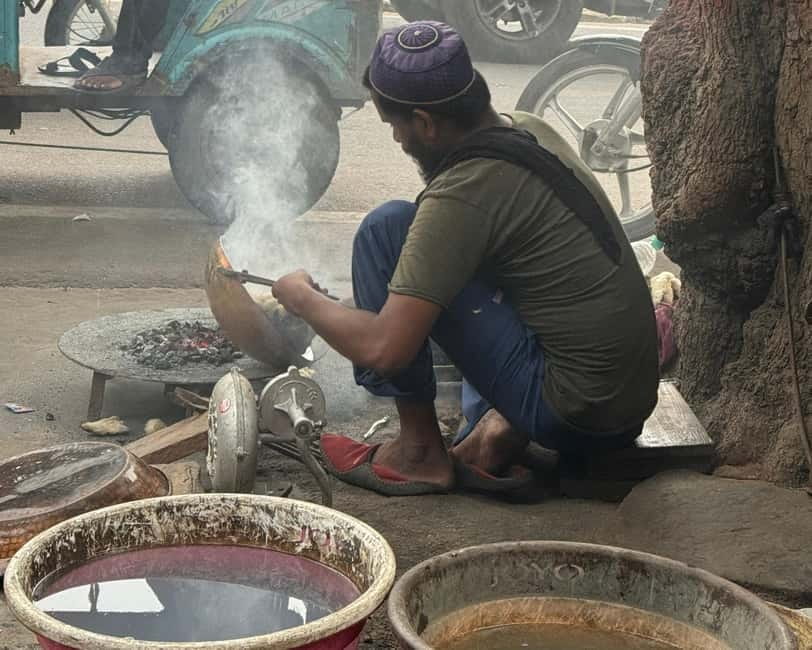
This is where the tour turns from street food into street culture. You’ll pass through a street inhabited by a community of metal beaters called Thatheras. Watching metalwork happen in a local setting gives you a different kind of respect for Jaipur’s craft traditions—less museum, more workshop.
On top of that, you’ll also encounter:
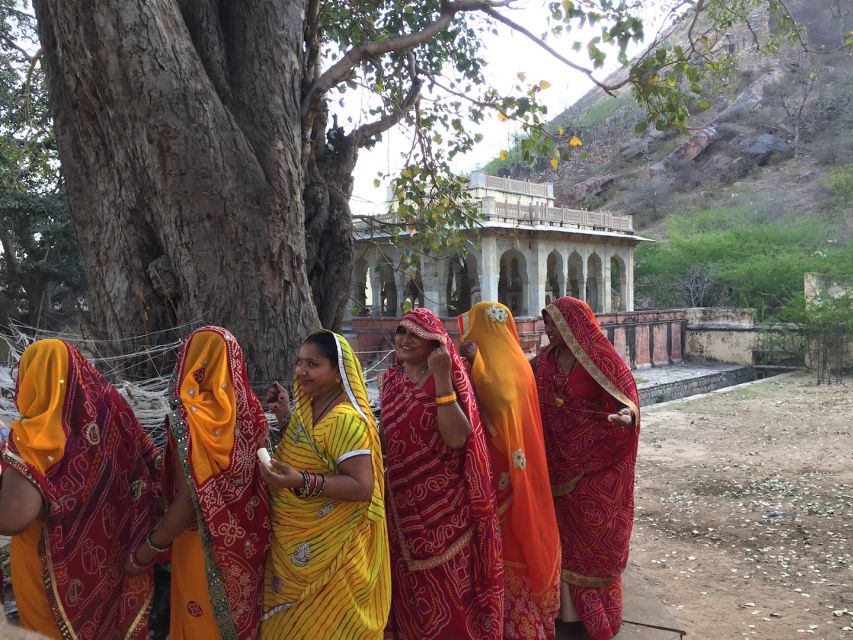
- a Hindu temple stop
- a community well observation point
- the art of bangle making, including sealing wax techniques
These are not random “look at this” moments. They help you understand how craftsmanship, ritual life, and neighborhood routines sit side by side. Jaipur isn’t just monuments; it’s working communities, and this route tries to show that in a short time.
If you’re a photo person, good news: you can take pictures during the walk. Just remember the no-flash rule inside temples. Also, the guides are often mindful about where to stand so you don’t block foot traffic in narrow lanes.
What You’ll Eat, How Much It Really Is, and How to Handle Sweet vs Savory
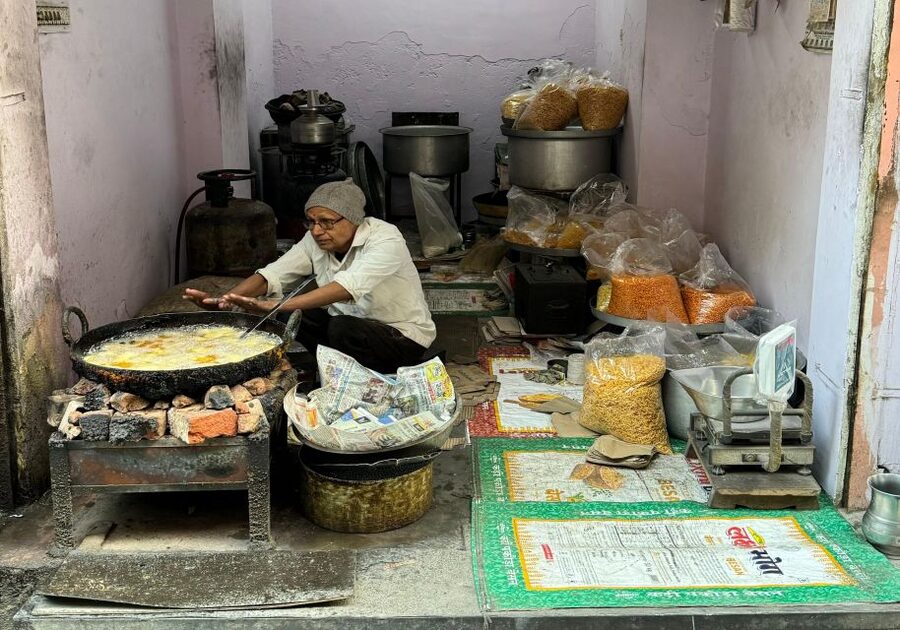
The food portion is the headline, but the real skill of the guide is making it feel effortless. You’ll typically taste street favorites like samosa, kachori, famous sweets, and masala chai, plus other local items that rotate with the route.
A helpful expectation-setting point: many people report trying around a dozen-plus items across several stops. In other words, you’ll leave fed, not nibbling.
Still, it helps to manage sugar and salt balance. One practical tip from past experiences: if you’re sensitive to sweets or just prefer savories first, you may want to eat the non-sweet items earlier and pace the sweets when they show up later. Even if you love dessert, Jaipur’s sweets add up quickly.
If you’re worried about stomach comfort, don’t panic. Guides on this tour have worked with visitors who are cautious about what they eat, including travelers managing health concerns. The safest approach is simple:
- tell the guide your limits early
- follow their lead on what to choose
- drink water during the walk (you get a bottle, but also take sips when you can)
Value and Price: Why $21 Makes Sense for 3 Hours in Old Jaipur
At about $21 per person for a 3-hour walking experience, the value comes from what’s bundled together:
- a heritage walking tour
- multiple street-food tastings across local shops
- masala chai and water
- an accompanying Cultural Walk Explorer / local guide support
- English-language guidance in a small group
This price feels reasonable because you’re paying for time, local access, and decision-making help. Street food in India is easy to find—but it’s not always easy to choose. A guide reduces the guesswork and helps you avoid dead ends, especially when you’re walking through tighter lanes and around active markets.
One thing to note for planning: hotel pickup and drop-off are not included. You’ll need to handle getting to the meeting point on your own.
Also, alcohol isn’t included, which is typical for a heritage and food-focused walk anyway. You’re here for tea, snacks, and street-level culture.
Safety, Customs, and How to Respect Temple Stops Without Missing the Moment
Walking in Jaipur’s Old City is fun, but it’s still a real neighborhood with real traffic, street commerce, and religious spaces. The practical win here is that the guide helps you move through it calmly.
From prior experiences, solo travelers—especially women—have reported feeling safe on this route. That doesn’t mean you should drop common-sense precautions. Just do the basics:
- keep your phone secured when you’re not using it
- stay close to the group in narrow alleys
- dress modestly for temple visits
- avoid flash photography inside temples
When you enter or pass religious spaces, watch what locals do and follow the guide’s cues. These small choices make the stops feel respectful rather than disruptive.
Where the Walk Ends: Chhoti Chopad and a Full Stomach
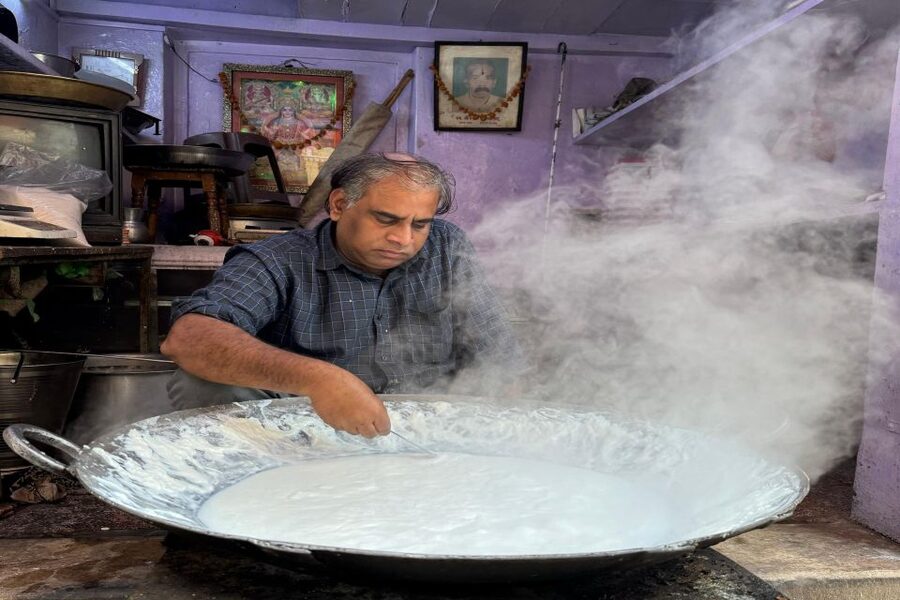
The tour finishes at Chhoti Chopad. Ending here is useful because you’re still close to the flow of the Old City. People have also extended their day afterward to visit major sights like City Palace and Jantar Mantar with the same guide, which is a sign the experience helps you build momentum and confidence for the rest of Jaipur.
If you’re timing your day, keep a little slack afterward. You’ll probably want time to cool down, hydrate, and then continue at your own pace.
Should You Book This Heritage Walk & Street Food Tasting?
I think you should book if you want Jaipur that feels lived-in: alleyways, craft work, temple stops, and street food you eat with confidence. This is a good fit for first-timers who want local context fast, and for food lovers who don’t want a generic “taste everything” approach—they want the story behind what’s on the plate.
Skip it if walking for 3 hours is tough for you, because it’s not designed for wheelchair users and you’ll be on your feet the whole time. Also, if you dislike trying new foods at all, you’ll need to communicate that early; the tour works best when you’re willing to sample a range of local snacks.
My practical recommendation: if it’s your first time in Jaipur, start with this walk so the city makes sense afterward. You’ll leave with a map in your head, plus a better understanding of how Jaipur’s food and craft traditions connect.
FAQ
Where do I meet the guide?
The meeting point is the entry gate of Golcha Cinema.
How long is the Heritage Walk and Street Food Tasting tour?
The tour lasts 3 hours.
What street food and drinks are included?
Included items cover street food such as samosa and kachori, famous sweets, masala chai (tea), and more at local shops, plus a bottle of water.
Is hotel pickup and drop-off included?
No, hotel pickup and drop-off are not included.
Is the tour wheelchair accessible?
No, the tour is not suitable for wheelchair users.
Is photography allowed, especially inside temples?
Photography is allowed, but avoid flash photography inside temples.
More Jaipur Tours to Compare
- Jaipur: Private Full Day Sightseeing Tour By Car with Guide★ 4.9 · 1,839 reviews
- 3-Hour Morning Bike Tour of Jaipur★ 5.0 · 1,253 reviews
- Jaipur: Private Sightseeing Day Tour with Guide by Car★ 4.8 · 773 reviews
- Jaipur: Full-Day City Tour with Car, Guide & Skip-the-Line★ 4.8 · 512 reviews
- Full-Day Jaipur Private Sightseeing Tour by Car with Guide★ 5.0 · 472 reviews
- Pink City Cooking Class★ 5.0 · 452 reviews
Eat Jaipur: More Street Food
- Jaipur Bazaar & Food Walking Tour★ 5.0 · 281 reviews
- Cultural Walk and Food Tasting In Jaipur★ 5.0 · 118 reviews
- Guided Morning Bicycle Tour with Food Tasting in Jaipur★ 5.0 · 117 reviews
- Jaipur Market Tour & Vegetarian Rajasthani Home Cooking Class★ 5.0 · 113 reviews
- Food Tour and Eat like Locals★ 5.0 · 111 reviews
- Food Walking Tour in Jaipur★ 5.0 · 71 reviews
The Pink City on Foot, Continued
- Pink City Cooking Class★ 5.0 · 452 reviews
- Private Jaipur Full One Day Tour In Pink City With Guide★ 5.0 · 322 reviews
- Full Day Old City Private Tour with Local Market visit in Jaipur★ 5.0 · 151 reviews
- Magical Walk of Jaipur★ 5.0 · 121 reviews
- Cultural Walk and Food Tasting In Jaipur★ 5.0 · 118 reviews
- Jaipur Heritage Walk with Rickshaw Ride★ 5.0 · 105 reviews
Newly Added Jaipur Reviews




More from Pink City Walks.
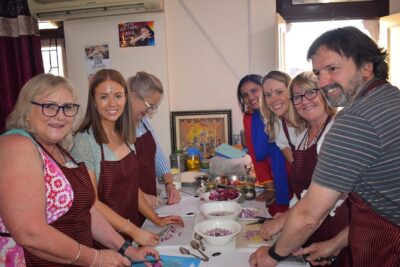 ★ 5.0Pink City Cooking ClassFrom $27452 reviews
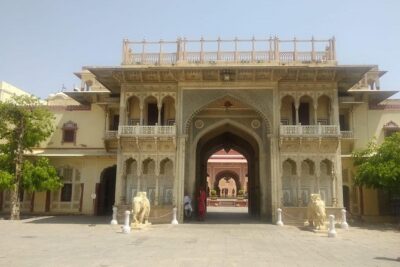 ★ 5.0Private Jaipur Full One Day Tour In Pink City With GuideFrom $16322 reviews
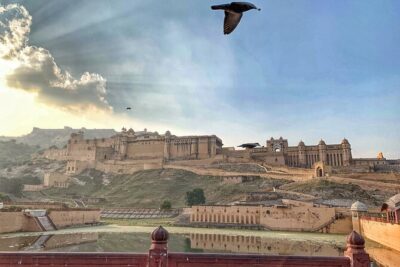 ★ 5.0Full Day Old City Private Tour with Local Market visit in JaipurFrom $55151 reviews
 ★ 5.0Magical Walk of JaipurFrom $10121 reviews
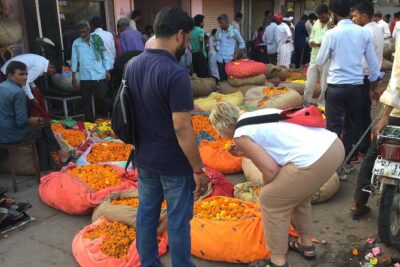 ★ 5.0Cultural Walk and Food Tasting In JaipurFrom $22118 reviews
Jaipur Heritage Walk with Rickshaw RideFrom $11105 reviews
★ 5.0Cultural Walk and Food Tasting In JaipurFrom $22118 reviews
Jaipur Heritage Walk with Rickshaw RideFrom $11105 reviews
 ★ 5.0Private Jaipur Pink City Tour by Car & Driver with a Tour GuideFrom $17104 reviews
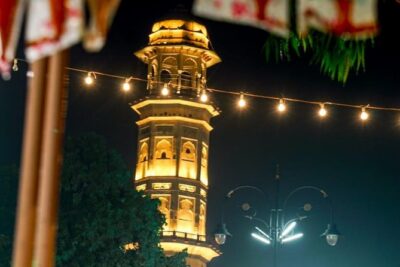 ★ 5.0Jaipur Heritage Evening Walk – The Twilight Magic of Pink CityFrom $3593 reviews
This tour also appears in