
Reviewed · PINK CITY WALKS
Jaipur@Twilight Guided Heritage City walk tour with Food Tasting
Twilight turns Jaipur streets into theater. This 2.5–3 hour guided walk hits the best moment when day light and night lights overlap, and the markets feel alive without being totally overwhelming. I like that it’s built around handcraft details you can actually see up close, not just big sightseeing stops, plus there’s a food tasting stop to keep your energy steady.
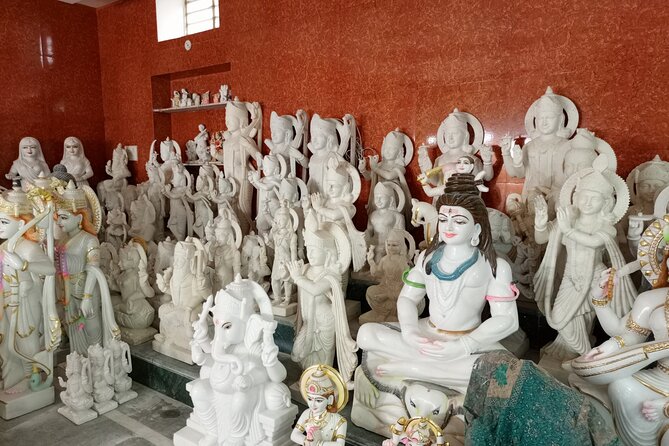
Two moments I really liked: the visit to the statue-making craft lane, where you can follow the work from rough sketch to finished marble painting, and the bangle market segment, including the lac bangle-making process and the bridal-adornment vibe. If you want Jaipur to feel hands-on, this is a strong way to get there.
One thing to consider: this tour requires good weather, and you’ll be walking through busy market streets in the evening. If you’re sensitive to crowds or light rain, you may want a flexible plan for your day.
In This Review
- Key highlights at a glance
- Why Jaipur at Twilight Works So Well
- Finding the Route: Raj Mandir Cinema to the Evening Markets
- Khajane Walon Ka Rasta and Khejado Ka Rasta: Marble Art From Sketch to Finish
- Tripolia Bazar and Thakur Uday Singh Ji Haveli: Storytelling in a Courtyard Setting
- Maniharon Ka Rasta: Lac Bangles, Bride Jewelry, and Color at Night
- Johri Bazaar to Achar Wali Gali: Sweet Bites and the Pickle Corridor
- Albert Hall Museum at Night: Garden Lights and a Clean Finish
- Food, Craft, and Value: Is This Tour Worth $29.96?
- Who This Tour Fits Best
- Should You Book the Jaipur@Twilight Heritage Walk?
- FAQ
- How long is the Jaipur@Twilight guided heritage city walk tour?
- Where does the tour start and end?
- How much does the tour cost?
- Is a food tasting included?
- Which parts of the route include artisan or craft highlights?
- Do I need to buy museum tickets separately?
- Is there mobile ticketing?
- How big is the group?
- What if the weather is bad?
Key highlights at a glance
- Twilight timing: see heritage architecture as it shifts from golden light to night glow
- Hands-on artisan focus: statue making and gold-work style details you can observe directly
- Bangle market with real process: watch how lac bangles are made and why they look so crisp
- Haveli stop with story context: Thakur Uday Singh Ji Haveli brings period details to life
- Food breaks built into the route: sweet bites before you head into the pickle corridor
- Small group size: capped at 10 travelers for a more personal walk
Deeper into the walled city on foot
- Pink City Cooking Class
★ 5.0 · 452 reviews - Private Jaipur Full One Day Tour In Pink City With Guide
★ 5.0 · 322 reviews - Heritage Walk & Street Food Tasting in Jaipur
★ 5.0 · 158 reviews - Full Day Old City Private Tour with Local Market visit in Jaipur
★ 5.0 · 151 reviews
Why Jaipur at Twilight Works So Well
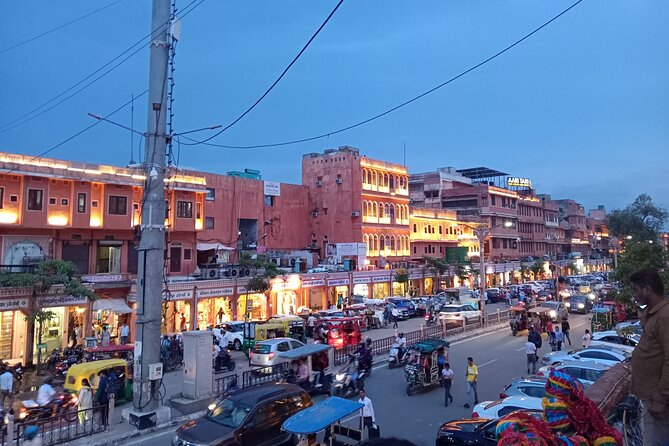
Jaipur at twilight has a specific rhythm. In the last hour before dark, the streets start to glow, shops turn on their lights, and people move slower than they do in the midday heat. That timing matters here, because the tour is designed as a walk-first experience. You’re not rushing between far-off monuments; you’re getting a front-row seat to market life and craftsmanship while the city changes mood.
I also like the way the route mixes aesthetics with practical “how it’s made” moments. You’re not just looking at pretty lanes. You’re seeing processes—how statue work moves from planning to decoration, and how bangles get their look. That changes the way you notice things, even after the tour ends.
The small group size helps too. With a maximum of 10 people, you’re more likely to hear the guide’s explanations and get pulled into what’s going on at each stop instead of being swallowed by a crowd.
Finding the Route: Raj Mandir Cinema to the Evening Markets
The walk starts near Raj Mandir Cinema in Panch Batti (C Scheme). It’s a central meeting point that makes it easier to get positioned before the route turns into narrow lanes. From there, you head toward the heritage and craft markets that are known for specialties—artwork, ornaments, and food traditions.
You’ll also end at Albert Hall Museum in Ram Niwas Garden. This is a nice finishing touch because the final area gives you a breath of open space and classic garden lighting after the denser lanes. In other words, it’s a good “street to garden” arc.
Practical tip: plan for a bit of uneven pavement and lane crowds. Evening market streets can be packed, and you’ll want comfortable, closed-toe shoes for the walking portion.
Khajane Walon Ka Rasta and Khejado Ka Rasta: Marble Art From Sketch to Finish
One of the most memorable segments is the craft lane area around Khajane Walon Ka Rasta, with the route moving via Khejado Ka Rasta. This is where statue making becomes visible as a sequence, not a mystery.
You’ll be able to see the process from sketch through the final painting on marble statues. That’s the kind of detail you don’t get from photos, because the craft shows up in stages—planning, carving or shaping, then the finishing work. The guide also ties in the wider idea the tour is aiming for: the contrast between Indian and European art styles, plus the way skilled artisans approach form and decoration.
The “real work” focus is a big value point. Lots of heritage walks show you a storefront or a facade. Here, you’re watching work that’s tied to technique, tools, and finishing decisions. Even if you don’t buy anything, you’ll come away understanding why the final look takes multiple steps.
Tripolia Bazar and Thakur Uday Singh Ji Haveli: Storytelling in a Courtyard Setting
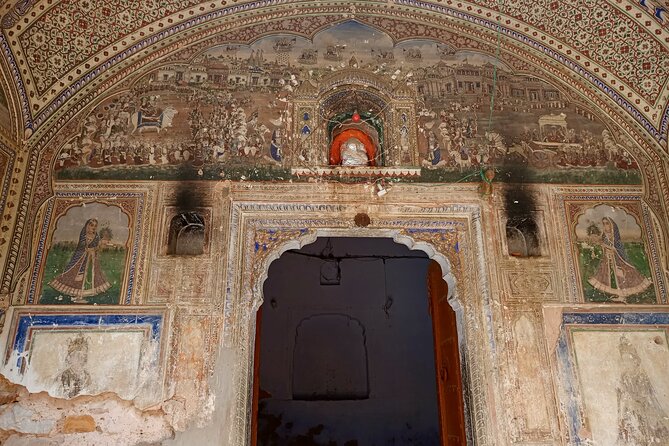
Next comes Tripolia Bazar, where the tour includes a visit to Thakur Uday Singh Ji Haveli. This is an older mansion setting, and it’s used like a story stage. The guide’s explanations help connect architectural details to the time period, so the haveli doesn’t feel like a random stop.
A few specific things you can look for: miniature wall paintings, lighting elements that reflect British empire time gas lamps (still noticeable in the setting), and even a vintage car on the property. Those details matter because they show how Jaipur’s heritage spaces were shaped by more than one influence—local design sensibilities plus historical period changes.
How this plays for you: it breaks up the walking intensity. It’s also a good moment for photos, because a haveli setting naturally frames faces of art and texture better than a street corner does.
Potential drawback: if you’re expecting a huge museum-like collection inside the haveli, this is more about the atmosphere and the stories around the visual cues. You’ll get the feeling of “heritage life,” not an hour-long gallery crawl.
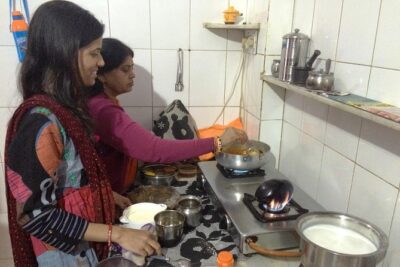
Still hungry? More kachori, ghewar and chaat stops

Maniharon Ka Rasta: Lac Bangles, Bride Jewelry, and Color at Night
Then the route moves into Maniharon ka rasta, a lane synonymous with bangles and ornamental work. The street setting is part of the experience—color and light turn everything more dramatic at twilight, and it’s the kind of place where you start to notice details in jewelry that you’d miss in daylight.
This is also where the tour focuses on bangle making, including the lac bangle-making process. Even without technical background, you’ll understand the appeal: these bangles are visually sharp, and the finished look takes careful work. The stop also highlights bridal-adornment collections—think jewelry and attire pieces designed for weddings—so you get a sense of how craft traditions connect to celebrations.
One more useful angle: the “bride” focus makes the craft feel grounded. Jewelry here isn’t treated like a standalone product; it’s linked to ceremonies, identity, and the social meaning of decoration. That makes the shops and stalls more than shopping stops.
If you want to buy: go in with a clear idea of what you want and what you’re willing to pay. Market jewelry can be tempting once lights go on. Also, keep an eye on your tour timing; there isn’t time to drift for long without missing the next segments.
Johri Bazaar to Achar Wali Gali: Sweet Bites and the Pickle Corridor
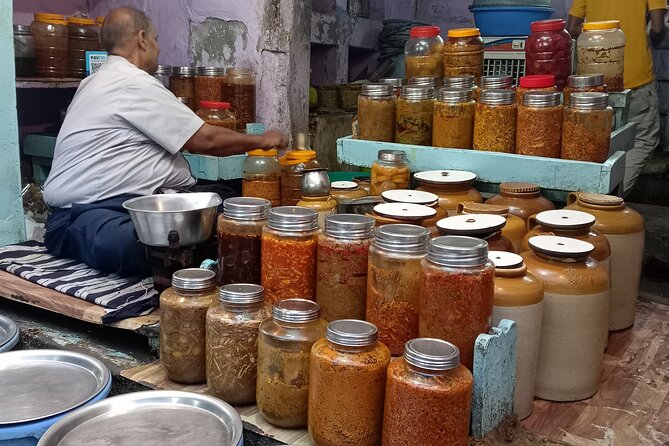
After the bangle lanes, the tour shifts toward Johri Bazaar. This part starts with a food tasting experience, including sweet dishes before you move deeper into the market route.
Then you’ll go toward Gopal Ji Ka Rasta and into Achar Wali Gali, where you meet the famous pickle seller credited as the Pickle Man of India, linked with a Discovery Channel award. The shop is described as having a 195-year-old history of pickles, which gives the stop a strong “tradition still running today” feeling.
Here’s what makes this segment worth your attention: it’s not just about eating. It also shows how food heritage travels through generations. In Jaipur, pickles are not a random snack; they’re a known part of flavor culture, and shops like this represent continuity.
Practical note: since this is a walking tour, plan your pace. If you’re already full from dinner, you’ll still likely enjoy the tasting, but you might not feel as interested in additional bites beyond the planned sweet portion.
Albert Hall Museum at Night: Garden Lights and a Clean Finish
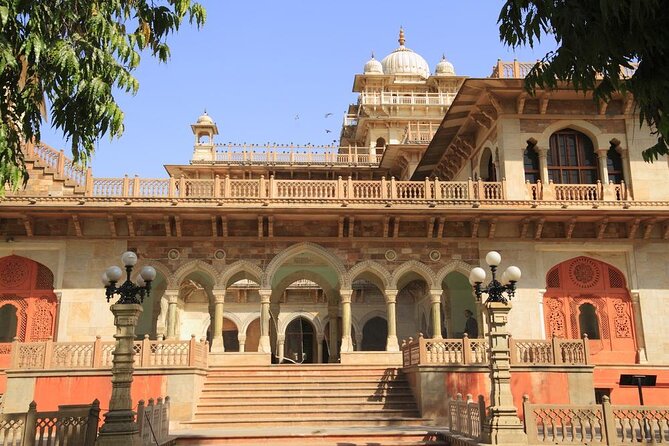
The final phase uses an e-rickshaw to get you to Albert Hall Museum. You’ll enjoy night views of Jaipur markets along the way, plus the lighting around the garden area and the museum setting in Ram Niwas Garden.
Albert Hall is a good end point because it feels like a “breathing space” compared with the narrow bazaar streets. You get a sense of the city from a calmer vantage, and the museum lights help you transition from shopping lanes back into a more formal heritage mood.
Important: the museum stop notes admission ticket not included. That means you can still enjoy the evening atmosphere, but if you want to go inside, you should expect to pay separate entry.
Timing note: the tour duration is about 2 hours 30 minutes to 3 hours, so the museum moment is likely more of an evening viewing and orientation stop than a long indoor visit.
Food, Craft, and Value: Is This Tour Worth $29.96?
At $29.96 per person, this is positioned as an affordable, experience-heavy way to cover multiple Jaipur specialties in one evening. The best “value math” here is that several of the heritage and market segments are described with free admission tickets, while the route still includes guided time and a planned tasting.
You’re also getting:
- A structured craft-and-heritage flow from statue work to haveli stories to bangles and bridal jewelry
- A food segment with sweet dishes before the pickle stop
- An evening transport assist (e-rickshaw) toward the final museum area
- A small group size (maximum 10), which often makes the explanations feel more real and less rushed
What might not feel like value to you: if you’re only interested in one type of activity (for example, you want a pure museum focus), this tour is too market-and-craft heavy. It’s designed for people who enjoy hands-on detail, shopping-lane atmosphere, and short stops with good explanations.
When to book: departures are often snapped up in advance, with an average booking time around 54 days. If you’re traveling in a busy season or want a specific day, earlier booking gives you a better shot.
Who This Tour Fits Best
This is a great match if you want Jaipur to feel local and specific. The route suits you if you like:
- Seeing artisans at work, especially where you can follow a process
- Shopping streets as cultural spaces, not just places to buy things
- Twilight photography and night lighting without a late-night commitment
- A mix of crafts and a food break so the evening stays enjoyable
It’s also a solid choice for first-time visitors who want heritage context without spending an entire day on long drives.
If you’re the type who hates crowds, you can still make this work, but you’ll want to keep your expectations realistic about market density during evening hours.
Should You Book the Jaipur@Twilight Heritage Walk?
I’d book this if you want one evening that covers real craft topics—statue making, marble finishing, lac bangles, and a famous pickle shop—while Jaipur is lit up. The best part is the balance: you’re walking, you’re learning, and you’re eating a planned portion, all within a half-day pace.
Skip it (or swap it for something else) if your travel style is mostly monument-only, and you don’t care about markets, crafts, or food culture.
If you do book, bring comfortable shoes and plan for weather. Since it needs good weather, having a flexible backup day can save your plans if an evening turns gray.
FAQ
How long is the Jaipur@Twilight guided heritage city walk tour?
The tour runs about 2 hours 30 minutes to 3 hours.
Where does the tour start and end?
It starts at Raj Mandir Cinema on Bhagwan Das Road (Panch Batti, C Scheme) and ends at Albert Hall Museum in Ram Niwas Garden.
How much does the tour cost?
The price is $29.96 per person.
Is a food tasting included?
Yes. The experience includes a food tasting experience, including sweet dishes as you reach the Johri Bazaar area.
Which parts of the route include artisan or craft highlights?
You’ll see statue making on the Khajane Walon Ka Rasta / Khejado Ka Rasta segment, experience lac bangle-making at the bangle market area, and visit a haveli in Tripolia Bazar.
Do I need to buy museum tickets separately?
Yes. Albert Hall Museum admission is noted as not included.
Is there mobile ticketing?
Yes, the tour offers a mobile ticket.
How big is the group?
This tour has a maximum of 10 travelers.
What if the weather is bad?
The experience requires good weather. If it’s canceled due to poor weather, you’ll be offered a different date or a full refund.
More Jaipur Tours to Compare
- Jaipur: Private Full Day Sightseeing Tour By Car with Guide★ 4.9 · 1,839 reviews
- 3-Hour Morning Bike Tour of Jaipur★ 5.0 · 1,253 reviews
- Jaipur: Private Sightseeing Day Tour with Guide by Car★ 4.8 · 773 reviews
- Jaipur: Full-Day City Tour with Car, Guide & Skip-the-Line★ 4.8 · 512 reviews
- Full-Day Jaipur Private Sightseeing Tour by Car with Guide★ 5.0 · 472 reviews
- Pink City Cooking Class★ 5.0 · 452 reviews
Eat Jaipur: More Street Food
- Jaipur Bazaar & Food Walking Tour★ 5.0 · 281 reviews
- Heritage Walk & Street Food Tasting in Jaipur★ 5.0 · 158 reviews
- Cultural Walk and Food Tasting In Jaipur★ 5.0 · 118 reviews
- Guided Morning Bicycle Tour with Food Tasting in Jaipur★ 5.0 · 117 reviews
- Jaipur Market Tour & Vegetarian Rajasthani Home Cooking Class★ 5.0 · 113 reviews
- Food Tour and Eat like Locals★ 5.0 · 111 reviews
The Pink City on Foot, Continued
- Pink City Cooking Class★ 5.0 · 452 reviews
- Private Jaipur Full One Day Tour In Pink City With Guide★ 5.0 · 322 reviews
- Heritage Walk & Street Food Tasting in Jaipur★ 5.0 · 158 reviews
- Full Day Old City Private Tour with Local Market visit in Jaipur★ 5.0 · 151 reviews
- Magical Walk of Jaipur★ 5.0 · 121 reviews
- Cultural Walk and Food Tasting In Jaipur★ 5.0 · 118 reviews
Newly Added Jaipur Reviews


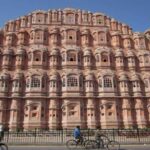
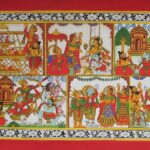
More from Pink City Walks.
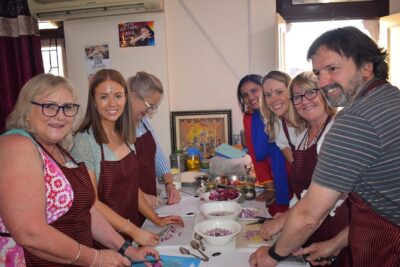 ★ 5.0Pink City Cooking ClassFrom $27452 reviews
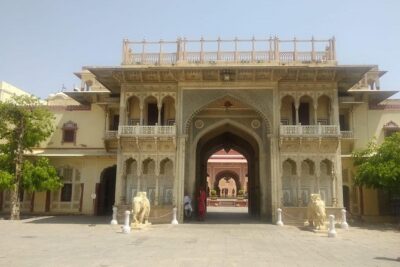 ★ 5.0Private Jaipur Full One Day Tour In Pink City With GuideFrom $16322 reviews
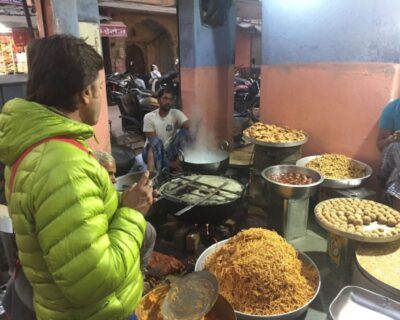 ★ 5.0Heritage Walk & Street Food Tasting in JaipurFrom $21158 reviews
 ★ 5.0Full Day Old City Private Tour with Local Market visit in JaipurFrom $55151 reviews
 ★ 5.0Magical Walk of JaipurFrom $10121 reviews
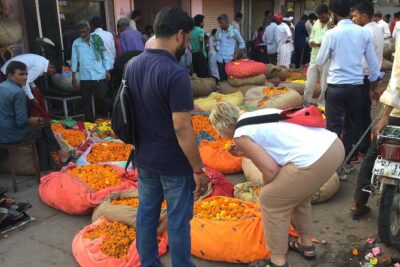 ★ 5.0Cultural Walk and Food Tasting In JaipurFrom $22118 reviews
Jaipur Heritage Walk with Rickshaw RideFrom $11105 reviews
★ 5.0Cultural Walk and Food Tasting In JaipurFrom $22118 reviews
Jaipur Heritage Walk with Rickshaw RideFrom $11105 reviews
 ★ 5.0Private Jaipur Pink City Tour by Car & Driver with a Tour GuideFrom $17104 reviews
This tour also appears in