
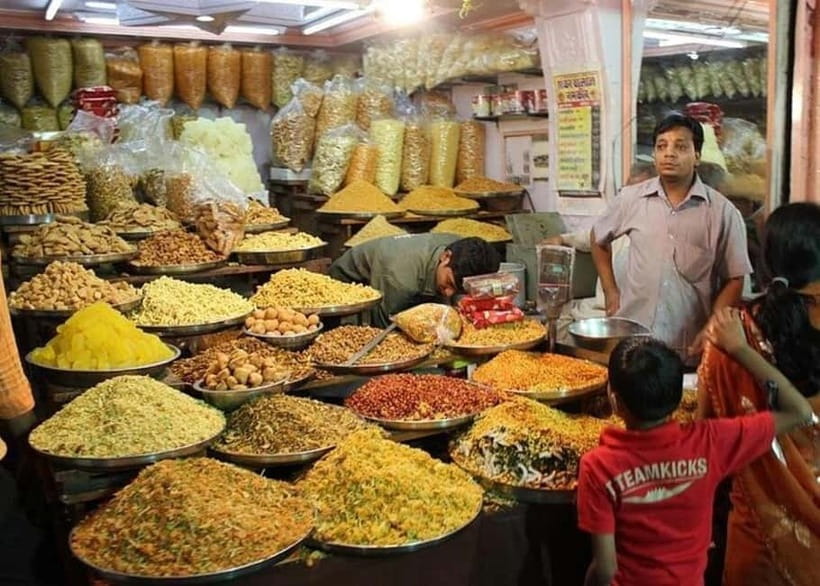
Reviewed · JAIPUR FOOD & STREET EATS
Jaipur: Guided History Walking Tour with Food Tasting
Jaipur tastes better on foot. This 3-hour guided walk through the Pink City mixes old-street history with real food stops, from Chaura Rasta to the Flower Market. I really like how the route focuses on daily life—temples, courtyards, traditional houses (havelis), and stepwells you’d miss alone—plus the guide’s storytelling about customs and spiritual beliefs. I also like the straightforward food tasting plan, with Jaipur favorites like Pyaaz Kachori, Aloo Tikki or Chaat, and classic drinks like masala chai or lassi. The main thing to consider is that it’s a walking tour on uneven market streets, so it’s not suitable for wheelchair users or people with food allergies.
What makes this one worth your time is the way the guide ties places to people and practice. You’ll meet at New Gate, then move through bazaars and chowks (including Badi Chaupar and Choti Chaupar), with photo stops along the way. Depending on the route, you might also see local artisans at work—potters, jewelers, miniature painters, or spice vendors—so the history you hear has a living, practical side. If you’re traveling in a group format, it’s still a private setup, and guides are available in English plus several other languages.
In This Review
- Key things to know before you go
- Pink City on Foot: What a 3-Hour History and Food Walk Really Covers
- Meeting at New Gate and Getting Your Bearings in Chaura Rasta
- Badi Chaupar: The Old Square Where Stories and Snacks Meet
- Tripolia Bazar Photo Stops and Choti Chaupar Snack Moves
- Flower Market Finale at Choti Chaupar: A Sweet End to the Loop
- What You’ll Learn Beyond the Buildings: Customs, Spiritual Beliefs, and Everyday Life
- The Food Tasting Plan: Pyaaz Kachori, Chaat, Mirchi Bada, Lassi, and Sweet Stops
- Artisan Encounters: Potters, Jewelers, Miniature Painters, and Spice Vendors
- Price, Value, and Who This Tour Fits Best
- Should You Book This Jaipur Pink City Walking Tour with Food Tastings?
- FAQ
- How long is the Jaipur guided history walking tour with food tastings?
- Where does the tour start, and where does it finish?
- Is this tour a private group?
- What languages are available for the live guide?
- What food and drinks are included?
- Is bottled water included?
- What should I bring for the walk?
- Is the tour suitable for everyone?
- FAQ
- Can I cancel for a full refund?
- Do I have to pay right away?
Key things to know before you go
- Start at New Gate, then work through the old market web instead of hopping around by car
- Photo stops in key areas like Chaura Rasta, Tripolia Bazar, and the Flower Market
- Food stops are built into the walk, with Rajasthani and Jaipur specialties included
- You’ll learn why the city looks the way it does, with havelis, stepwells, courtyards, and temples in the story
- You may meet artisans at work, like potters, jewelers, or miniature painters, depending on the day
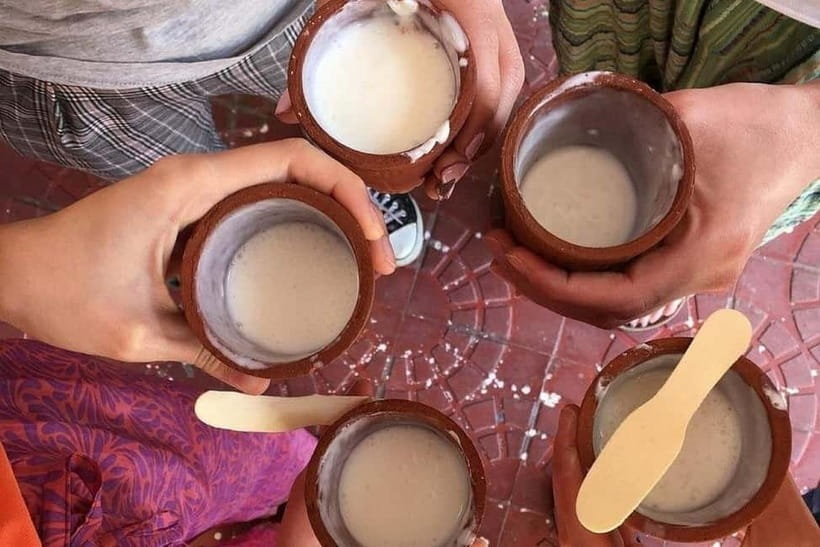
- Masala chai and bottled water are included, which helps in the heat
Still hungry? More kachori, ghewar and chaat stops
- Jaipur Bazaar & Food Walking Tour
★ 5.0 · 281 reviews - Heritage Walk & Street Food Tasting in Jaipur
★ 5.0 · 158 reviews - Cultural Walk and Food Tasting In Jaipur
★ 5.0 · 118 reviews - Guided Morning Bicycle Tour with Food Tasting in Jaipur
★ 5.0 · 117 reviews
Pink City on Foot: What a 3-Hour History and Food Walk Really Covers
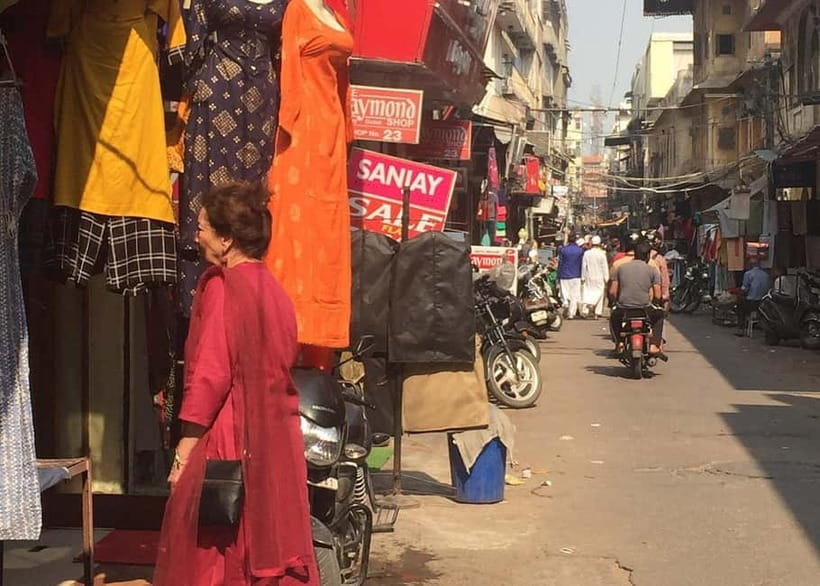
This is one of those Jaipur tours that makes the city feel usable. You’re not just standing at monuments; you’re walking the old streets where people still shop, snack, and move through the day. In three hours, you’ll cover a compact loop that’s designed to give you context fast: what you’re seeing, what it means, and how daily life fits into the city’s layout.
I like that the pace is built around short segments and frequent stops. That matters in Jaipur, where sun and crowds can turn a normal stroll into a slog. Here, the breaks are practical: tea stops at local tea shops, snack tastes, and photo pauses. If you like history that shows up in real streets and real routines, you’ll get more from this kind of walking format than a long driving day.
One more practical upside: it’s a private group. That usually means fewer awkward pauses and more chance to ask questions about what you’re seeing—architecture details, local customs, language nuances, or even why certain rituals are done the way they are.
Meeting at New Gate and Getting Your Bearings in Chaura Rasta
You start at New Gate, a smart way to begin because you’re immediately placed into the old-city network. From there, you head toward Chaura Rasta, and you’ll feel the shift quickly—market life, small stalls, and street food smells that are hard to describe and easy to remember.
Chaura Rasta is also where the tour starts teaching you how to look. Your guide helps you spot architectural cues and everyday cultural signals: what people wear, how they talk with each other, and what kinds of rituals or spiritual beliefs show up in public space. You’ll also get a photo stop here, which is useful. Jaipur’s old lanes can blur together if you don’t pause and orient.
Food-wise, this is one of the first moments you’ll likely taste something street-level. The tour includes guided tasting time, and this early stop gives you a baseline for what to expect next. You’ll usually want your first bites early in the tour, not later, because that’s when you’re most alert and the route still feels easy.
If you’re sensitive to heat, plan to bring sunscreen and a hat, as the walk happens outdoors. Comfortable shoes matter a lot here too, because you’ll be on streets and market edges rather than smooth, flat sidewalks.
Badi Chaupar: The Old Square Where Stories and Snacks Meet
Next comes Badi Chaupar, a key old junction that’s good for both views and explanations. On a walking tour like this, “square” can sound generic—but this one is a place your guide can turn into a lesson about how the city evolved and how people organize space around social and commercial life.
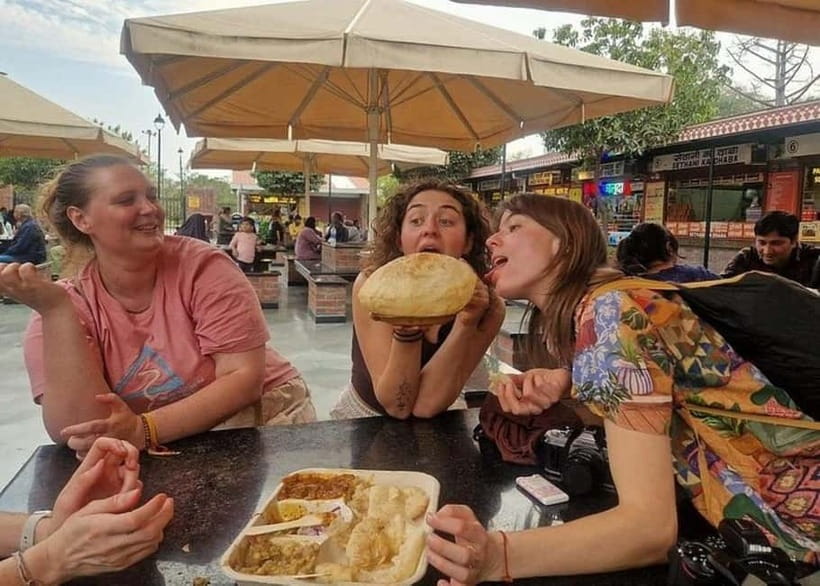
This stop is typically where you’ll slow down. You get guided time to walk and look rather than rush through. There are also local snack moments and food tasting here, which is a nice pacing tool. When you’re learning about customs and spiritual beliefs, having food breaks nearby helps you focus. It also keeps the experience from becoming purely observational.
A small drawback to know ahead of time: these are active areas. Expect foot traffic, people moving in and out of shops, and photo opportunities that can sometimes require patience. If you’re traveling at a busy time, keep your camera ready but don’t be surprised if you wait a minute to get a clean shot.
Tripolia Bazar Photo Stops and Choti Chaupar Snack Moves
Then it’s onto Tripolia Bazar, another strong market moment. You’ll get a photo stop here and guided walking time that helps you read the space. Market streets in Jaipur aren’t just for shopping; they’re part of how people maintain traditions—through craft, trade, and daily routine. Your guide can point out architectural elements and smaller details that make a difference, like how courtyards and building fronts shape movement.
Tripolia Bazar is also where you start noticing how the tour balances the “big picture” story with small, street-level details. Instead of one long lecture, it’s a sequence of short segments tied to where you’re standing. That makes it easier to remember what you learned after the walk ends.
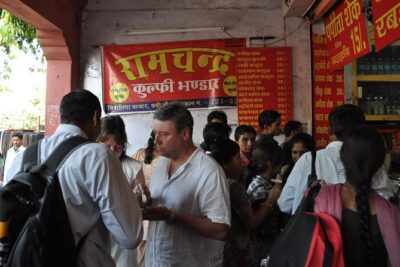
After that, you reach Choti Chaupar, and this area tends to feel even more like a food-and-street moment. You’ll get street food time and regional snacks here, plus guided tasting. This is a good spot to expect dishes like Aloo Tikki or Chaat, Samosa, or Mirchi Bada depending on the day’s handpicked selection.
This is also one of the points where you should pace yourself. You’re sampling multiple items across the tour, including desserts later. If you’re prone to stomach sensitivity, take small bites and sip your water between tastings.
On foot through the old Jaipur lanes

Flower Market Finale at Choti Chaupar: A Sweet End to the Loop
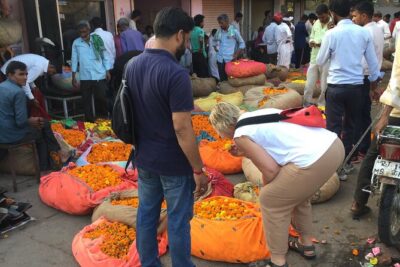
The tour finishes back near the Flower Market area at Choti chaupar, which is a smart way to end. Flowers give you a visual “closing frame,” and ending where you can see strong color and activity helps the whole route feel like a complete circle instead of a one-way walk.
There’s another photo stop here, and guided walking continues right to the end. What I like about ending at a market is that it ties everything together. You’ve learned about spiritual beliefs, old street systems, havelis and stepwells, and now you’re seeing the living side of tradition—people working, selling, and moving through the city with purpose.
You’ll also have dessert included. The tour lists options like Ghewar or Rabri, and sometimes Kulfi or other regional desserts depending on the day. This is where Jaipur’s sweet culture shows up in a way that feels social and shareable, not museum-like.
If you’re buying anything afterward, you’ll likely have the best energy at the end. Just keep in mind the guide can only cover included tastings, so if you add extra items, that’s on you.
What You’ll Learn Beyond the Buildings: Customs, Spiritual Beliefs, and Everyday Life

The real value here is the way the guide explains what you’re seeing while you’re seeing it. You’re walking past or near traditional houses (havelis), old temples, stepwells, and courtyards, but the tour doesn’t treat them as random sights. It turns them into clues about local customs and the city’s spiritual worldview.
Your guide may cover:
- Architectural elements and how buildings relate to street life
- Local customs and attire, plus language nuances you’ll hear in markets
- Spiritual beliefs and rituals that influence how people move through daily spaces
I especially like tours that connect architecture to behavior. In Jaipur, you can’t fully understand the city just by looking at fronts and facades. Understanding courtyards, stepwells, and how neighborhoods are structured makes everything feel more logical and less like a photo backdrop.
Also, the guide may adjust the route so you see lesser-known alleys. Those quick turns are where you tend to learn the most. You’ll likely pass by traditional neighborhoods and smaller lanes that don’t show up in generic photo itineraries.
The Food Tasting Plan: Pyaaz Kachori, Chaat, Mirchi Bada, Lassi, and Sweet Stops
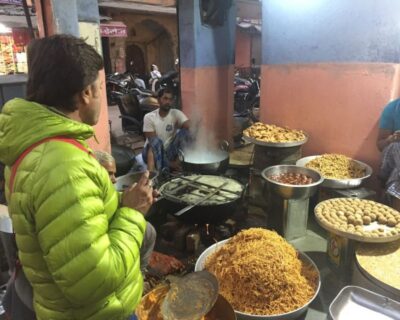
Food is the backbone of this experience, and it’s handled in a way that feels practical, not random. The tour includes food tasting, traditional dessert, masala chai at local tea shops, and bottled water. That’s a thoughtful set of basics, especially when you’re walking in heat.
Here’s what the tour lists as likely tastings:
- Pyaaz Kachori
- Aloo Tikki or Chaat
- Samosa
- Mirchi Bada
- Lassi or Masala Chai
- Traditional sweets like Ghewar or Rabri
- Kulfi or other regional desserts
What makes this lineup work is the balance. You’re not only getting deep-fried street snacks; you’re also getting yogurt-based drinks (lassi) or warm chai, plus sweets to round it out. It’s built for sampling, so you can try a variety without needing to order a full meal.
Still, there’s one clear caution: the tour isn’t suitable for people with food allergies. That’s not something you can easily solve on the fly in street-food settings, so only book if you can eat what’s typically offered.
A small tip: if you’re sensitive to spice, you should ask your guide early about heat levels. The food is part of the fun, but you’ll enjoy it more if you’re comfortable.
Artisan Encounters: Potters, Jewelers, Miniature Painters, and Spice Vendors
One of the best ways to understand Jaipur is to see how craft stays alive. Depending on the day and the route, you might get a chance to meet artisans and see them at work, including:
- Potters
- Jewelers
- Miniature painters
- Spice vendors
This can turn your history learning into something more grounded. Instead of just hearing about dynasties or how the city layout changed, you see how skills and trade still operate in the same neighborhoods. It also gives your guide an easy way to connect stories to real objects—tools, materials, and the rhythms of making.
Don’t expect every stop to be a “workshop moment,” because it depends on what the guide can arrange on the day. But even a quick look at artisans at their stalls or counters can make the city feel more human.
Price, Value, and Who This Tour Fits Best
At $13 per person for a 3-hour private guided walk with multiple tastings, this is solid value. The big reason is that the price isn’t only paying for a guide—it’s bundling in meaningful costs: guided food tasting, bottled water, tea at local shops, and dessert. A lot of walking tours keep food as an add-on; this one builds it in.
You should consider this tour if:
- You want a first-pass orientation to the Pink City without spending most of your day on transportation
- You like history that connects to daily life, not just monuments
- You’re excited about trying Jaipur and Rajasthani street foods and sweets in a guided, manageable way
- You prefer learning from a local guide who can explain customs, spiritual beliefs, and architecture as you walk
It may be less suitable if you:
- Need wheelchair access
- Have food allergies you need accommodated
- Don’t do well with outdoor walking in sun and market crowds
Should You Book This Jaipur Pink City Walking Tour with Food Tastings?
I’d book it if you want the classic Jaipur combo: old streets plus eat-and-learn stops. The route is designed to keep you moving through real neighborhoods—Chaura Rasta, Badi Chaupar, Tripolia Bazar, Choti Chaupar—and end at the Flower Market area, which makes the experience feel complete. The fact that bottled water, masala chai, and dessert are included helps keep the day from turning into a constant decision-making exercise.
If your top priority is big-ticket sights like forts and palaces, this isn’t that kind of day. But if you want to understand how Jaipur functions at street level—through food, craft, architecture cues, and local customs—this is a smart use of a half-day.
FAQ
How long is the Jaipur guided history walking tour with food tastings?
It lasts 3 hours.
Where does the tour start, and where does it finish?
It starts at New Gate and finishes at the Flower Market area at Choti chaupar.
Is this tour a private group?
Yes, it’s listed as a private group.
What languages are available for the live guide?
The live guide is available in English, Spanish, Russian, German, Japanese, Chinese, and French.
What food and drinks are included?
Food tasting is included, along with traditional dessert and masala chai at local tea shops.
Is bottled water included?
Yes, bottled water is included.
What should I bring for the walk?
Bring comfortable shoes, a hat, a camera, sunscreen, and water.
Is the tour suitable for everyone?
No. It’s not suitable for wheelchair users, and it’s not suitable for people with food allergies.
FAQ
Can I cancel for a full refund?
Yes. Free cancellation is available up to 24 hours in advance for a full refund.
Do I have to pay right away?
You can reserve now and pay later to keep your travel plans flexible.
Jaipur on Foot: More Walks
- Jaipur Bazaar & Food Walking Tour★ 5.0 · 281 reviews
- Heritage Walk & Street Food Tasting in Jaipur★ 5.0 · 158 reviews
- Magical Walk of Jaipur★ 5.0 · 121 reviews
- Cultural Walk and Food Tasting In Jaipur★ 5.0 · 118 reviews
- Jaipur Heritage Walk with Rickshaw Ride★ 5.0 · 105 reviews
- Jaipur Heritage Evening Walk – The Twilight Magic of Pink City★ 5.0 · 93 reviews
More Jaipur Tours to Compare
- Jaipur: Private Full Day Sightseeing Tour By Car with Guide★ 4.9 · 1,839 reviews
- 3-Hour Morning Bike Tour of Jaipur★ 5.0 · 1,253 reviews
- Jaipur: Private Sightseeing Day Tour with Guide by Car★ 4.8 · 773 reviews
- Jaipur: Full-Day City Tour with Car, Guide & Skip-the-Line★ 4.8 · 512 reviews
- Full-Day Jaipur Private Sightseeing Tour by Car with Guide★ 5.0 · 472 reviews
- Pink City Cooking Class★ 5.0 · 452 reviews
Eat Jaipur: More Street Food
- Jaipur Bazaar & Food Walking Tour★ 5.0 · 281 reviews
- Heritage Walk & Street Food Tasting in Jaipur★ 5.0 · 158 reviews
- Cultural Walk and Food Tasting In Jaipur★ 5.0 · 118 reviews
- Guided Morning Bicycle Tour with Food Tasting in Jaipur★ 5.0 · 117 reviews
- Jaipur Market Tour & Vegetarian Rajasthani Home Cooking Class★ 5.0 · 113 reviews
- Food Tour and Eat like Locals★ 5.0 · 111 reviews
Newly Added Jaipur Reviews




More from Jaipur Food & Street Eats.
 ★ 5.0Jaipur Bazaar & Food Walking TourFrom $37281 reviews
 ★ 5.0Heritage Walk & Street Food Tasting in JaipurFrom $21158 reviews
 ★ 5.0Cultural Walk and Food Tasting In JaipurFrom $22118 reviews
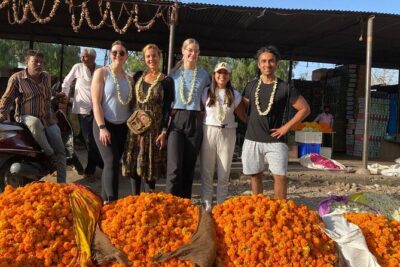 ★ 5.0Guided Morning Bicycle Tour with Food Tasting in JaipurFrom $33117 reviews
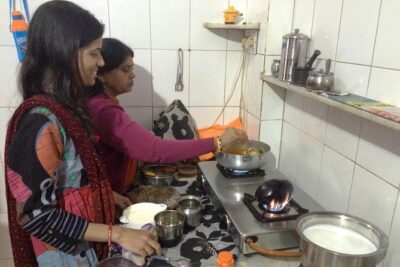 ★ 5.0Jaipur Market Tour & Vegetarian Rajasthani Home Cooking ClassFrom $60113 reviews
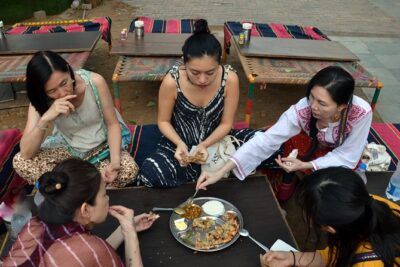 ★ 5.0Food Tour and Eat like LocalsFrom $20111 reviews
 ★ 5.0Food Walking Tour in JaipurFrom $3971 reviews
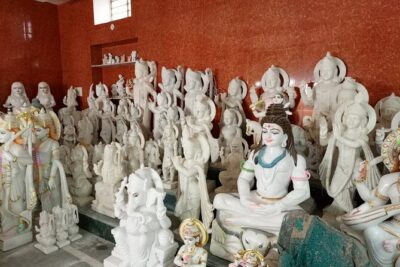 ★ 5.0Jaipur@Twilight Guided Heritage City walk tour with Food TastingFrom $2967 reviews
This tour also appears in