

Reviewed · WALKING TOURS
Jaipur: 2-Hour Cultural Walking Tour
Jaipur in two hours is a neat trick. This guided walk focuses on the Pink City beyond the usual photo stops, with a storyteller who connects buildings, lanes, and rituals to everyday life. You’ll move through historic pockets where the city still feels lived-in, not staged.
I especially like the local storytelling—the kind that makes you notice details you’d otherwise pass by—and the craft and shop visits, including a sword shop and a 150-year-old working camera. The best part is how it ties landmarks like Hawa Mahal and Jantar Mantar to what people do and believe today.
One drawback to plan for: it’s a walking tour with moderate walking, and the exact flow can depend on the guide. If you’re strict about timing or entrance tickets, you’ll want to set expectations that some sights may be outside only.
In This Review
- Key highlights to look for on this Jaipur cultural walk
- Why this 2-hour old-town walk works in Jaipur’s Pink City
- Wind View Cafe to Hawa Mahal: start smart, beat the heat
- From historic lanes to royal-priest pathways
- Sawai Man Singh Town Hall: a grand facade with a purpose
- Sword shop and a 150-year-old working camera: living heritage in plain view
- Jantar Mantar UNESCO: what you should look for (and why it’s not just an exhibit)
- Shiva and Krishna temples: respect a tradition kept by families
- Ending at Golcha Cinema: wrap-up tips you can use immediately
- Price and logistics: $14 is the story fee, not the ticket fee
- Guide quality can shape your day, so manage expectations
- Who this Jaipur walking tour is best for
- Should you book this Jaipur cultural walking tour?
- FAQ
- Where do I meet the guide?
- What is the tour duration?
- What languages are the guides speaking?
- Is water included?
- Are entrance fees included for monuments?
- What should I bring for the walk?
Key highlights to look for on this Jaipur cultural walk
- Hawa Mahal meeting-point views: start at Wind View Cafe for a strong first look at the iconic facade.
- Working heritage stops: you may see trades still done the old way, including a sword shop and a 150-year-old camera.
- Royal-lane stories: historic paths tied to the movement of royal priests and older neighborhood life.
- UNESCO at Jantar Mantar: guidance on what you’re looking at and how it fits into the city.
- Shiva and Krishna temples with long priest families: you’ll meet a living tradition maintained by an eighth-generation family of priests.
- Insider recommendations at the end: tips on where to go next after the walk breaks.
On foot through the old Jaipur lanes
- Jaipur Bazaar & Food Walking Tour
★ 5.0 · 281 reviews - Heritage Walk & Street Food Tasting in Jaipur
★ 5.0 · 158 reviews - Magical Walk of Jaipur
★ 5.0 · 121 reviews - Cultural Walk and Food Tasting In Jaipur
★ 5.0 · 118 reviews
Why this 2-hour old-town walk works in Jaipur’s Pink City
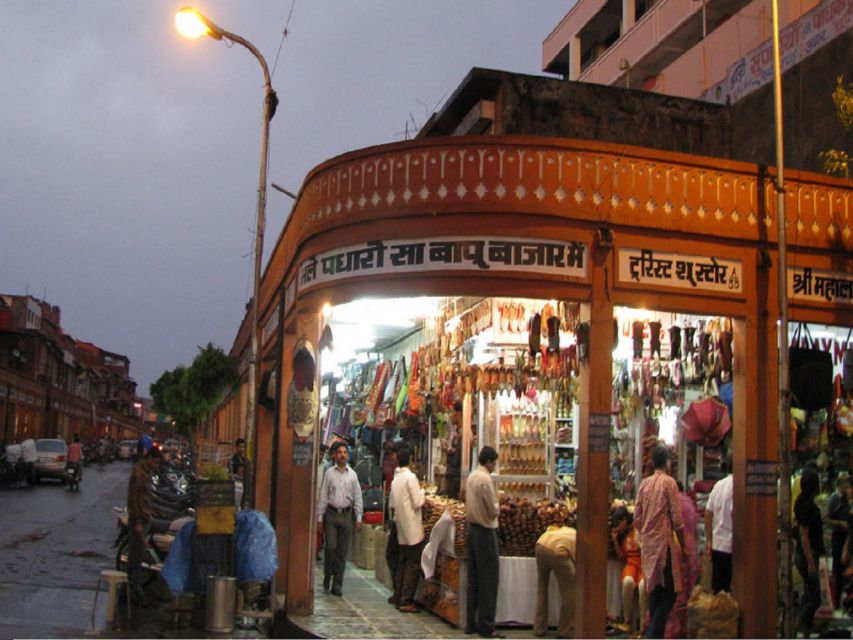
This tour is built for people who want more than selfies. In just two hours, you get the shape of old Jaipur: lanes, small temples, heritage buildings, and the logic behind where things are placed. It’s the difference between seeing landmarks and understanding how the city functions.
The time limit also helps. If you only have one afternoon, you can still cover major historical anchors without turning your day into a marathon. And because it’s a guided walk, you’re not stuck translating signs or guessing which streets matter.
Wind View Cafe to Hawa Mahal: start smart, beat the heat
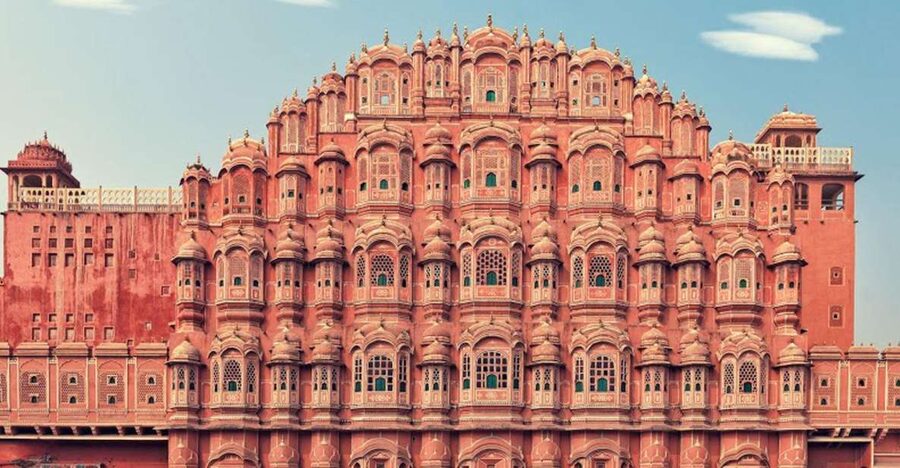
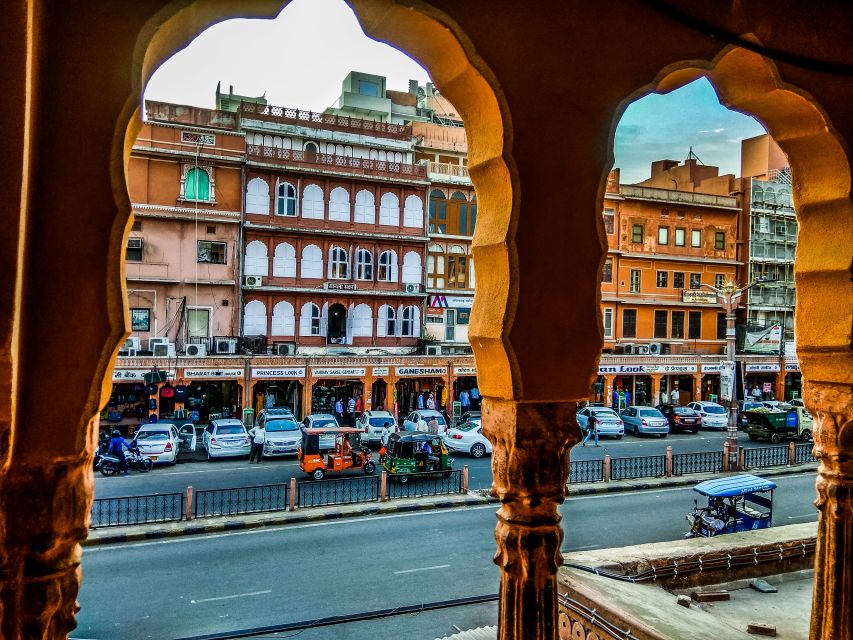
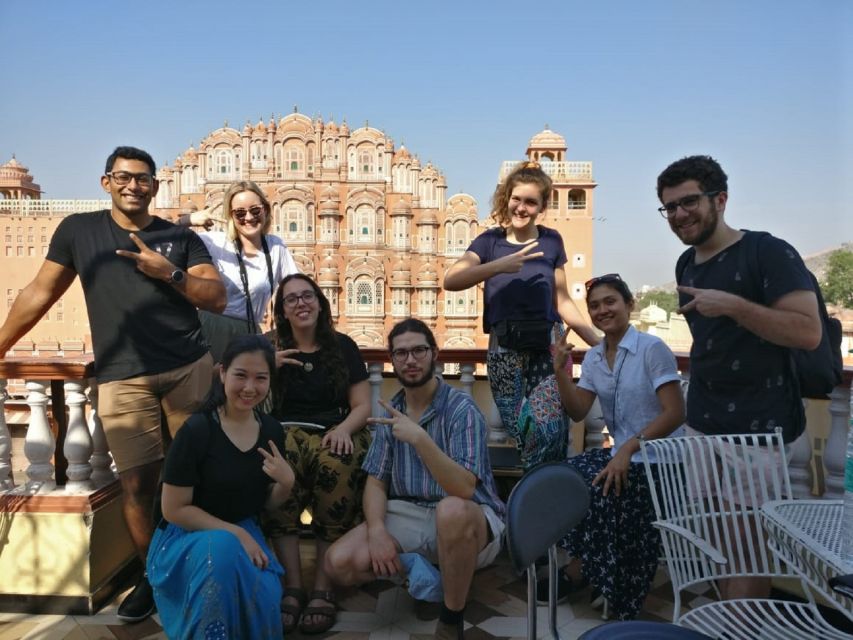
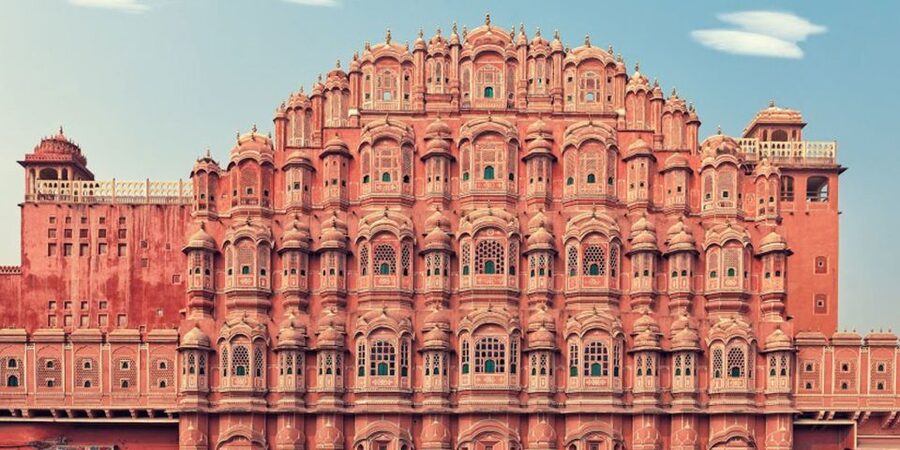
You meet your guide at Wind View Cafe in front of Hawa Mahal, so your first minutes are already scenic. This is handy because Jaipur’s big landmarks can be crowded and confusing later in the day. Starting here also means you can get your bearings fast before you step into the older lanes.
Practical note: some tours may adjust the exact meeting spot if crowds and logistics shift. One group reported the meeting location changing to the ticket office area. I’d plan a small buffer so you’re not stressed if your guide messages late, like another traveler experienced.
Bring comfortable shoes and plan for warm weather. The tour runs on foot through old city areas, and you’ll want your legs ready before you hit the narrow streets.
From historic lanes to royal-priest pathways
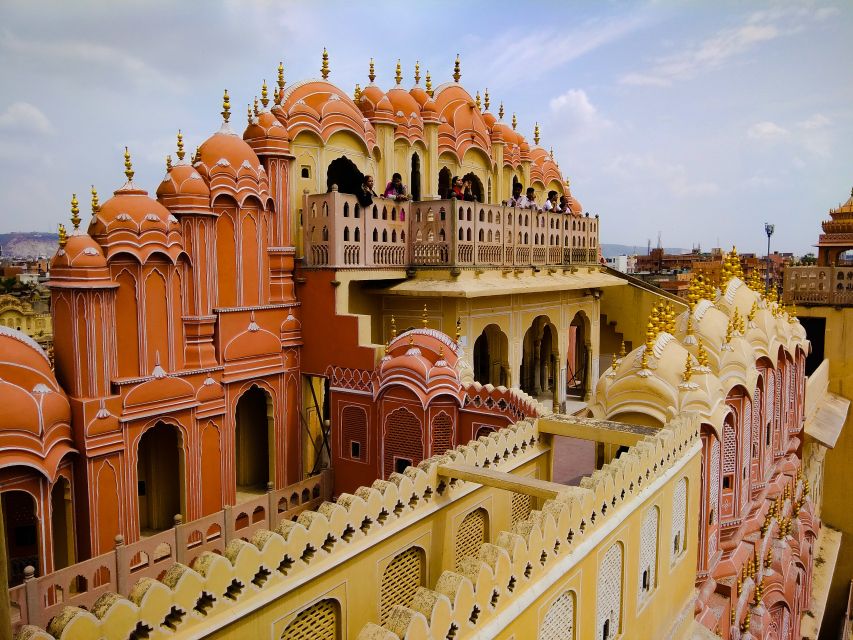
Once you leave the main fronts, the real Jaipur shows up: narrow lanes where everyday life and old structures share space. A big value here is how the guide explains the streets, not just the sights. You’ll hear stories connected to older roles in royal life, including routes used by royal priests.
This matters because Jaipur is layered. If you only visit the biggest monuments, the city can feel like separate stops. On this walk, the lanes become the connective tissue. You learn what the city was built for, how neighborhoods developed, and why temples and heritage buildings appear where they do.
You’ll also pass centuries-old buildings where residents once lived. Even if you only catch glimpses from the street, you’re seeing the scaffolding that shaped Jaipur’s layout.
Sawai Man Singh Town Hall: a grand facade with a purpose
You’ll make time for Sawai Man Singh Town Hall, described as ornate. I like this stop because it’s less about a single wow-factor monument and more about how civic buildings fit into royal and civic life.
Town halls and public structures often tell you how power was displayed and organized. When your guide points out architectural cues, it’s easier to understand why Jaipur looks the way it does. You also get a brief change of pace in the walking rhythm—enough time to look, ask questions, and re-group.
A shortlist worth scanning before you book:
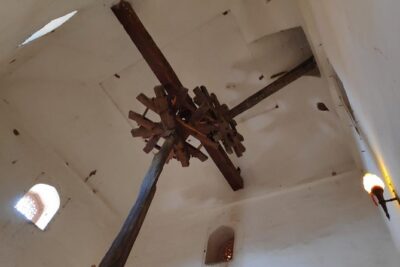
Sword shop and a 150-year-old working camera: living heritage in plain view
One of the most memorable parts is the visit to a traditional sword shop plus a look at a 150-year-old working camera. This isn’t just a museum moment. It’s about seeing crafts and tools that still connect to the past.
Why this is worth your time: when a guide explains what you’re looking at—materials, purpose, and how the shop fits into the local economy—you start seeing Jaipur as a working city, not a theme park. These stops also make the tour feel more personal. Instead of rushing from landmark to landmark, you get a pause that teaches you how heritage survives.
If your guide offers tea as a mid-walk break, treat it as a bonus rather than a guarantee. One guide included masala tea to help people recharge, and it’s a nice cultural touch when it happens. Just remember food and drinks aren’t listed as included, so plan to cover it yourself if you want something extra.
Jantar Mantar UNESCO: what you should look for (and why it’s not just an exhibit)
The tour includes a visit to Jantar Mantar, a UNESCO World Heritage Site. The practical reality: entrance fees aren’t included, so depending on your timing and where you’re allowed to go, you might view some parts from outside only.
Still, a guide makes a big difference here. Jantar Mantar can look like a collection of stone instruments unless someone explains what they’re designed to measure and how they fit into the bigger picture of astronomy in India. Your guide’s job is to translate the geometry and purpose into something you can actually see with your own eyes.
If you want the most value from this stop, ask your guide what one or two things you should focus on for your specific interests—timekeeping, celestial measurements, or how the site reflects royal patronage. That turns the visit into a personal lesson.
Shiva and Krishna temples: respect a tradition kept by families
You’ll also visit a historic Shiva Temple and a Krishna Temple maintained by an eighth-generation family of priests. This kind of detail is what makes the walk feel different from a standard monuments circuit.
What I’d keep in mind: temples are active places of worship. Even if you’re mostly learning from the outside, you’ll want to behave like you’re entering someone’s sacred world—quiet voice, respectful posture, and patience if the family is busy with their duties.
The value here is that the guide connects religious spaces to continuity. When you understand that these temples are maintained by families who carry responsibilities across generations, the city feels more grounded. You see faith as something practical and ongoing, not just old stone.
Ending at Golcha Cinema: wrap-up tips you can use immediately
The tour finishes at Golcha Cinema. This ending is useful because it lands you near a recognizable anchor point for planning your next steps—whether you want more street food, a final viewpoint, or a slower wander back through markets.
A good guide will also send you off with recommendations, and this is where the tour can pay off beyond the two hours. You’ll leave with ideas for where to spend time next, what to prioritize, and how to keep your day efficient in the old city.
Price and logistics: $14 is the story fee, not the ticket fee
At $14 per person for a 2-hour guided walk, the price feels fair—especially if you value explanations and local context. For this money, you’re paying for a friendly storyteller/guide (English and Hindi) plus access to lesser-known lanes.
But be clear on what’s not included. Entrance fees aren’t included, and you should expect that some stops may be viewed from outside only. A water bottle is also not included, so bring your own.
Here’s the practical planning angle: if you’re the type who wants to buy every ticket and see everything fully inside, you may need to budget extra on top of the tour price. If you’re happy focusing on street-level views, guided interpretation, and a few optional paid entries, the deal gets much better.
Guide quality can shape your day, so manage expectations
The tour depends heavily on the guide, and that’s not a small point. One guide named Gajendra was praised for arriving on time, speaking fluent English, and waiting when needed. Another guide named Yash was described as enthusiastic, but there was a complaint about a changed meeting spot, a longer wait for additional people, and the walk finishing earlier than expected. A third traveler reported messaging about lateness and then said the guide, Yosh, was excellent once arrived.
So here’s my honest advice: treat this as a people-first experience. Message or confirm the meeting spot, keep some flexibility for timing, and arrive ready to ask questions. If you get a guide who connects the dots well, this walk can feel like someone handed you a Jaipur cheat sheet you didn’t know you needed.
Who this Jaipur walking tour is best for
You’ll likely love this tour if you:
- Want old-town context without needing a full day of sightseeing
- Enjoy guides who explain how places connect to local life
- Prefer walking and short cultural stops over long museum hours
You might want to skip or pair it with a different plan if you:
- Only care about ticketed interior monuments
- Hate moderate walking in warm weather
- Need strict adherence to a precise schedule with zero variation
Should you book this Jaipur cultural walking tour?
If you’re visiting Jaipur for a first taste of the Pink City’s street life, this is a strong option for the money. The combo of Hawa Mahal-area start, craft-and-tool heritage, Jantar Mantar context, and temple continuity makes it feel like learning, not just sightseeing.
Book it if you can walk comfortably, bring water, and use the guide as your decoder for what you’re seeing. If you’re highly schedule-sensitive or expect all entrances to be included, budget for extras and confirm details ahead of time.
FAQ
Where do I meet the guide?
Meet your guide at Wind View Cafe in front of Hawa Mahal.
What is the tour duration?
The tour lasts about 2 hours.
What languages are the guides speaking?
The live tour guide speaks English and Hindi.
Is water included?
No. A water bottle is not included, so bring your own.
Are entrance fees included for monuments?
No. Entrance fees to monuments are not included, and some attractions may be viewed from outside only.
What should I bring for the walk?
Wear comfortable shoes and bring sunglasses and a sun hat. Bring water too, especially in warm weather.
More 2-Hour Experiences in Jaipur
- Nahargarh Water Walk – Guided 2-Hour Heritage Tour in Jaipur★ 5.0 · 89 reviews
- Unlock Hidden Amber! – Guided 2-Hour Heritage Tour in Jaipur★ 5.0 · 62 reviews
Jaipur on Foot: More Walks
- Jaipur Bazaar & Food Walking Tour★ 5.0 · 281 reviews
- Heritage Walk & Street Food Tasting in Jaipur★ 5.0 · 158 reviews
- Magical Walk of Jaipur★ 5.0 · 121 reviews
- Cultural Walk and Food Tasting In Jaipur★ 5.0 · 118 reviews
- Jaipur Heritage Walk with Rickshaw Ride★ 5.0 · 105 reviews
- Jaipur Heritage Evening Walk – The Twilight Magic of Pink City★ 5.0 · 93 reviews
More Jaipur Tours to Compare
- Jaipur: Private Full Day Sightseeing Tour By Car with Guide★ 4.9 · 1,839 reviews
- 3-Hour Morning Bike Tour of Jaipur★ 5.0 · 1,253 reviews
- Jaipur: Private Sightseeing Day Tour with Guide by Car★ 4.8 · 773 reviews
- Jaipur: Full-Day City Tour with Car, Guide & Skip-the-Line★ 4.8 · 512 reviews
- Full-Day Jaipur Private Sightseeing Tour by Car with Guide★ 5.0 · 472 reviews
- Pink City Cooking Class★ 5.0 · 452 reviews
Newly Added Jaipur Reviews





More from Walking Tours.
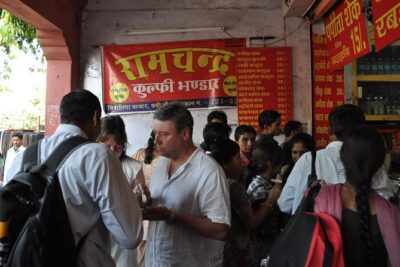 ★ 5.0Jaipur Bazaar & Food Walking TourFrom $37281 reviews
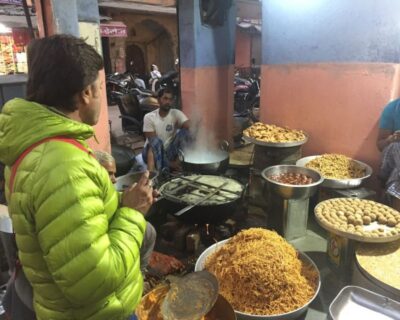 ★ 5.0Heritage Walk & Street Food Tasting in JaipurFrom $21158 reviews
 ★ 5.0Magical Walk of JaipurFrom $10121 reviews
 ★ 5.0Cultural Walk and Food Tasting In JaipurFrom $22118 reviews
Jaipur Heritage Walk with Rickshaw RideFrom $11105 reviews
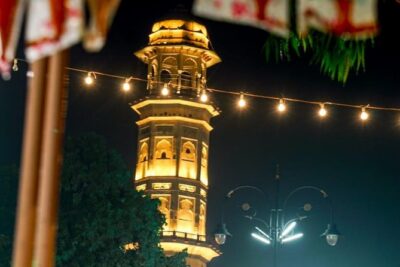 ★ 5.0Jaipur Heritage Evening Walk – The Twilight Magic of Pink CityFrom $3593 reviews
 ★ 5.0Nahargarh Water Walk – Guided 2-Hour Heritage Tour in JaipurFrom $3989 reviews
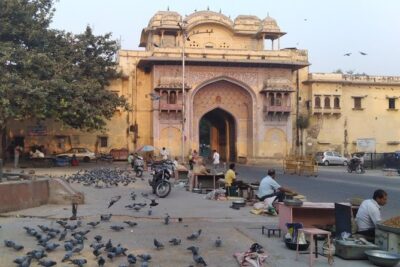 ★ 5.0Jaipur Heritage Walking Tour – Local life, Havelis and TemplesFrom $1672 reviews
This tour also appears in