
Reviewed · JAIPUR BAZAARS & SHOPPING
Jaipur: Spice Market and Street Food Walking Tour
Your nose leads the way in Jaipur. This walk starts outside Shri Chandpole Hanuman Ji Temple and quickly turns into a full-sensory tour of the city’s spice market and spice grinding by locals, followed by real street food with chai and snacks. I love the way the guide makes the smells make sense, and I also love the food stops where you get to eat like the neighborhood does.
One thing to plan for: this is a crowd-and-footwork tour. You’ll want comfortable shoes, and if you have mobility limits, this one isn’t a good fit.
In This Review
- Key things to know before you go
- Entering Jaipur by the Senses at Shri Chandpole Hanuman Ji Temple
- Jaipur’s Oldest Spice Market: Grinding, Color, and Local Practice
- A Quick Tuk-Tuk Break in the Pink City to Tripolia Gate
- Street Food Route in the Old City: Vegetarian Stops Plus Chai
- The chai and snack finish
- What You’re Getting for $21: Value That’s More Than the Price Tag
- Photography, Crowd Sense, and How to Be a Good Market Mensch
- Who This Tour Suits Best (and Who Might Pass)
- My Take: Should You Book This Jaipur Spice and Street Food Walk?
- FAQ
- Where does the tour start?
- How long is the tour?
- How much does it cost?
- What’s included in the tour?
- What food will I try?
- How many tuk-tuk rides do you take?
- Where does the tour end?
- What language is the tour guide?
- Do I need to skip any ticket lines?
- Is this tour suitable for wheelchair users or limited mobility?
- What should I bring?
Key things to know before you go
- Meet at Shri Chandpole Hanuman Ji Temple for a straightforward start in the Pink City
- See spice grinding in Jaipur’s biggest old market while you learn what’s used for cooking and beyond
- Two short tuk-tuk rides to break up the walking and help you hop between key points
- Food tasting at 5 to 6 stalls focused on vegetarian street eats and chai
- Ends near Raj Mandir Cinema / Chaura Rasta area, by Tripolia Gate
- Great for photographers and writers because market sights, faces, and spices are everywhere
More lanes of Johari and Bapu to get lost in
- Jaipur Bazaar & Food Walking Tour
★ 5.0 · 281 reviews - Full Day Old City Private Tour with Local Market visit in Jaipur
★ 5.0 · 151 reviews - Private Shopping Tour in Jaipur
★ 5.0 · 135 reviews - Jaipur Tuk-Tuk Tour with Flower Market Visit
★ 5.0 · 124 reviews
Entering Jaipur by the Senses at Shri Chandpole Hanuman Ji Temple
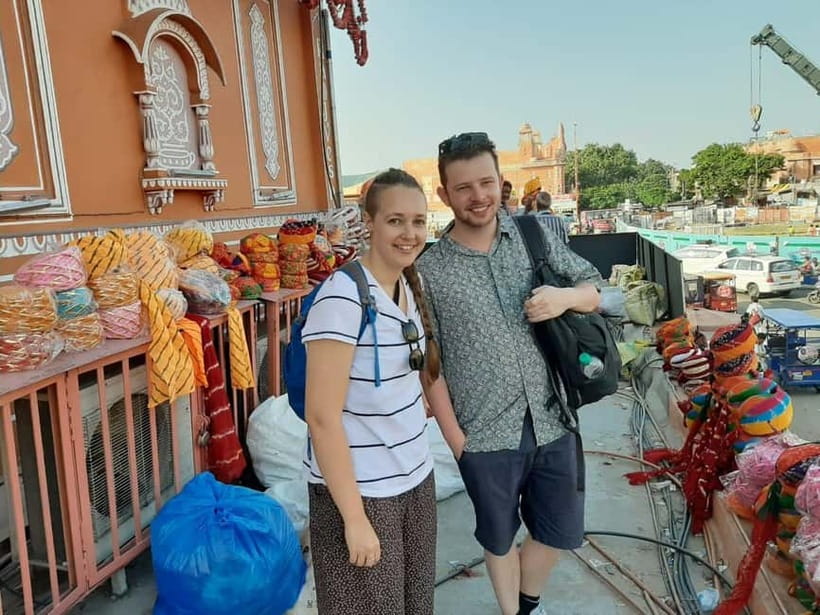
I like tours that don’t waste time. This one starts right outside Shri Chandpole Hanuman Ji Temple, so you get grounded in the real city before you even hit the market lanes. You’re in the Pink City right away, and within minutes you’re walking through a space where people are working, bargaining, cooking, and moving on with their day.
The early minutes matter. The market is loud, fast, and scented, and that’s exactly the point. If you go in expecting a polite museum stroll, you’ll miss what makes this experience fun. The guide’s job here is to help you read what you’re seeing: where spices come from, how they’re sold, and why the whole place smells the way it does.
Also, this is an English-language guided tour with live guidance, so you’re not stuck guessing what all those bags and colors are for. And based on past guests’ notes, the guides tend to be both friendly and direct, not just reciting facts.
Jaipur’s Oldest Spice Market: Grinding, Color, and Local Practice
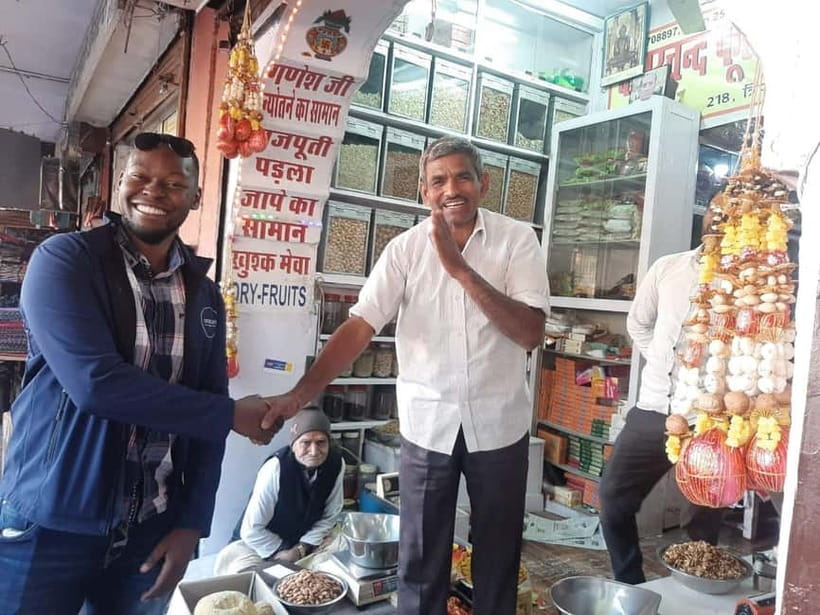
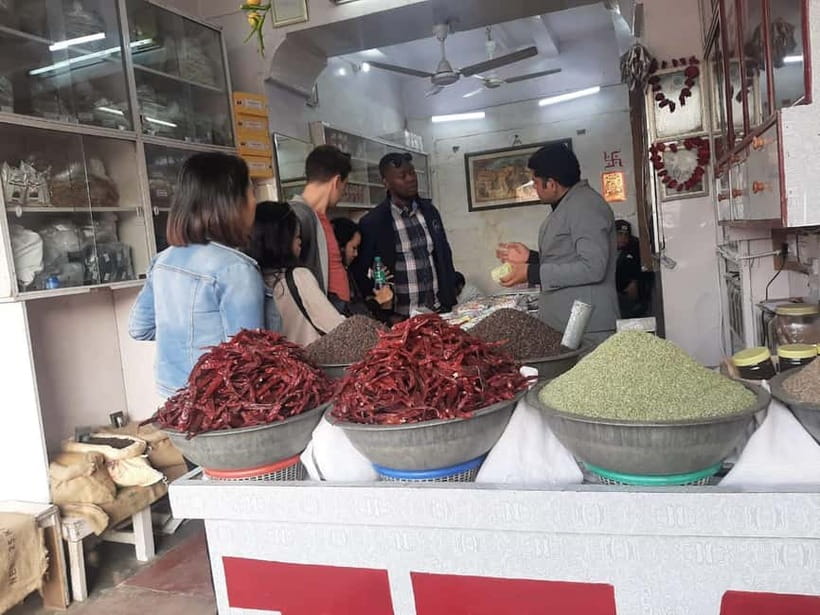
The highlight is the spice market itself, described as Jaipur’s oldest and biggest. What you really get is hands-on observation: you’ll see locals grinding spices and learn how those spices are used. That grinding moment isn’t just visual. It’s a clue about the system: freshness, local know-how, and the practical side of how spices enter everyday cooking.
Here’s what I’d pay attention to when you’re there:
- The physical process: how spices are crushed and prepared for sale
- The mixing and selling style: you’ll notice that the market is organized for trade, not for tourists
- The smell shift as you move deeper into lanes and stalls
You’ll also walk through the organized chaos. Think of it as a workday scene where the rhythm comes from people doing their jobs. It’s not random noise; it’s a machine. And once your brain stops trying to label everything at once, you start noticing patterns: which stalls attract cooks, which spices get handled more, and which aromas dominate the lane you’re standing in.
One bonus from past experiences: guides have explained spices with a cooking lens and also with medicinal or Ayurveda-style context. Names like Harshit and Harshita show up in guest feedback, and the consistent theme is that the guide connects spices to real use, not just trivia.
Photography is encouraged, which helps. Just keep your distance where people are working and don’t block sellers. Markets move fast, and the quickest way to make enemies is to stand in the middle like you own the place.
A Quick Tuk-Tuk Break in the Pink City to Tripolia Gate
After the market walking, you get a short tuk-tuk ride. It’s only about 10 minutes, but it matters more than you’d think. It gives your legs a reset and helps you reposition without turning the second half into a long slog.
The ride is also a neat contrast: one moment you’re in the tight lanes and close-up stalls, and the next you’re moving through wider streets that connect key landmarks. You’ll head to Tripolia Gate, which gives you an easy reference point for where you are in the old city.
If you’re hoping for photos, this is a good moment to grab a couple. The gate area is recognizable, and the tuk-tuk shot gives you that sense of motion you can’t get from a walking-only route.
Street Food Route in the Old City: Vegetarian Stops Plus Chai
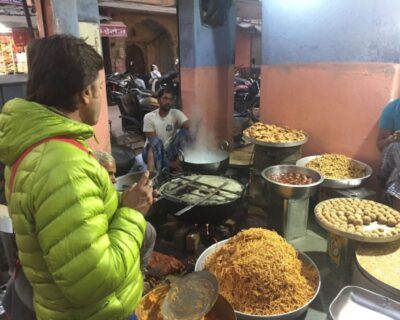
This is where the tour earns its money in a practical way. You don’t just walk past street food. You actually stop at 5 to 6 authentic food shops for tasting, with the emphasis on vegetarian street eats.
The key value here is guidance. In a place like Jaipur, you can absolutely find snacks on your own. But you might not find the stalls you’ll feel good about trying, especially if you’re trying to eat safely and avoid bland choices. A guide helps you navigate what’s busy, what’s fresh, and what’s worth your attention.
Based on guest experiences, the guide’s food recommendations tend to be strong. One review specifically praised a guide for explaining spices and then steering guests toward excellent food and chai. Another noted the tour helped them find places they would never have spotted alone.
Still hungry? More kachori, ghewar and chaat stops
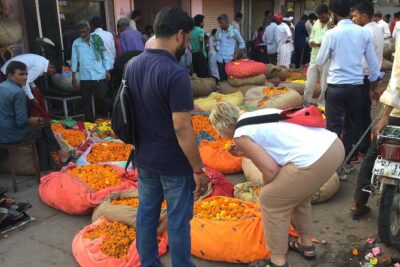

The chai and snack finish
After the tasting stops, you’ll end with chai and snacks at a well-known street food area near Tripolia Gate, specifically around Chaura Rasta Street. That’s a good end point because you get a calmer pocket of time after the market intensity, plus a chance to sit, eat, and talk with your guide a bit longer.
Also, since this is a food tour, I’d come hungry. Not starving, just ready to taste. When you’re eating small bites across multiple stalls, you’ll enjoy it more if your appetite isn’t already gone.
What You’re Getting for $21: Value That’s More Than the Price Tag
$21 for a 2.5-hour experience may sound like a bargain, and in this case it mostly is. But the smart way to think about value is: what parts of your trip does this protect you from?
For one, you’re paying to reduce guesswork. Spice markets can be visually overwhelming. Without context, you might leave with photos and no understanding of what you saw. With a guide, the market becomes a lesson you can taste and remember.
Second, you’re paying for multiple stops without the stress of choosing. You get food tasting at 5 to 6 shops, plus chai and snacks. That’s a lot of eating time to pack into one guided route, and it often beats the typical pattern of wandering and hoping you chose right.
Third, you’re paying for small logistics support: two short tuk-tuk rides, a water bottle, and a route that connects landmarks in the old city. You also get the guide’s English support and real-time explanations, which makes the experience smoother.
If you’re someone who likes to understand what you’re eating and smelling, this tour is a good deal. If you only want a quick photo walk and don’t care about food or spices, the value drops. But for most visitors, the combo of market + street food + landmark walking is exactly the sweet spot.
Photography, Crowd Sense, and How to Be a Good Market Mensch
This kind of tour rewards people who can stay flexible. The spice market is crowded. The lanes are tight. Sellers are busy. If you show up trying to control everything, you’ll get frustrated.
Instead, do this:
- Keep your camera ready but don’t block work.
- Step aside when you see a stall busy with customers.
- Use the tuk-tuk segments for wider shots, and the market for close-up texture.
Also, the best photos usually happen while you watch first. Spend a minute noticing spice colors and textures, then start shooting. You’ll get better results and you’ll feel less like an intruder.
And don’t forget: this is a respectful culture encounter. Past tours specifically encouraged respectful photography. That’s good advice because the market isn’t a stage set. It’s a working neighborhood.
Who This Tour Suits Best (and Who Might Pass)
This works especially well if you’re:
- a food lover who wants real vegetarian street bites plus chai
- a photographer or filmmaker who likes markets and close-up action
- someone who wants to learn how spices are used, not just admire the colors
- a travel writer or blogger who likes content with context
Past feedback repeatedly highlighted guides like Harshit and Harshita for being friendly, safe, and clear about spices and their uses. Another guest mentioned Lacey as an excellent and sympathetic guide. That variety is a good sign: you’ll likely get a guide who can adapt to your questions.
This is not suitable if you have mobility impairments or use a wheelchair. You’ll be walking through crowded areas, and the route is designed around foot movement in tight old-city streets. If that’s you, you’ll want a different Jaipur plan that’s less movement-intensive.
My Take: Should You Book This Jaipur Spice and Street Food Walk?
I’d book this tour if you want a fast, flavorful way to understand Jaipur beyond the headline monuments. The spice market portion gives you the sensory story, and the chai-and-snack stops give you the payoff you can actually taste.
It’s also a smart choice when you only have a short window in the old city. At 2.5 hours, you get walking, a couple tuk-tuk rides, and multiple food tastings without needing a full day.
One practical check before you say yes: wear walking shoes, because this is a busy neighborhood. If you can handle crowds and you’re open to trying vegetarian street foods you’ve never ordered before, you’ll likely enjoy the experience a lot.
If you value guided explanations, the guide names from past tours matter too. When Harshit or Harshita is running the show, guests have praised the way they connect spices to cooking and even medicinal ideas, and they also highlight how smoothly food stops happen.
FAQ
Where does the tour start?
Meet your guide just outside Shri Chandpole Hanuman Ji Temple.
How long is the tour?
The duration is 2.5 hours.
How much does it cost?
It costs $21 per person.
What’s included in the tour?
It includes a guided walking tour of the spice market, food tasting at 5 to 6 authentic food stalls, 2 short tuk-tuk rides, and a water bottle.
What food will I try?
You’ll do food tasting at multiple vegetarian-friendly street food shops and finish with chai and snacks.
How many tuk-tuk rides do you take?
You take two short tuk-tuk rides, including one to Tripolia Gate.
Where does the tour end?
It ends near Raj Mandir Cinema and the Chaura Rasta Street area by Tripolia Gate.
What language is the tour guide?
The tour guide speaks English.
Do I need to skip any ticket lines?
The tour includes skipping the ticket line.
Is this tour suitable for wheelchair users or limited mobility?
No. It is not suitable for people with mobility impairments or wheelchair users.
What should I bring?
Wear comfortable walking shoes. Photography is encouraged, but be respectful of locals.
More Jaipur Tours to Compare
- Jaipur: Private Full Day Sightseeing Tour By Car with Guide★ 4.9 · 1,839 reviews
- 3-Hour Morning Bike Tour of Jaipur★ 5.0 · 1,253 reviews
- Jaipur: Private Sightseeing Day Tour with Guide by Car★ 4.8 · 773 reviews
- Jaipur: Full-Day City Tour with Car, Guide & Skip-the-Line★ 4.8 · 512 reviews
- Full-Day Jaipur Private Sightseeing Tour by Car with Guide★ 5.0 · 472 reviews
- Pink City Cooking Class★ 5.0 · 452 reviews
Eat Jaipur: More Street Food
- Jaipur Bazaar & Food Walking Tour★ 5.0 · 281 reviews
- Heritage Walk & Street Food Tasting in Jaipur★ 5.0 · 158 reviews
- Cultural Walk and Food Tasting In Jaipur★ 5.0 · 118 reviews
- Guided Morning Bicycle Tour with Food Tasting in Jaipur★ 5.0 · 117 reviews
- Jaipur Market Tour & Vegetarian Rajasthani Home Cooking Class★ 5.0 · 113 reviews
- Food Tour and Eat like Locals★ 5.0 · 111 reviews
More Bazaar Mornings in Jaipur
- Jaipur Bazaar & Food Walking Tour★ 5.0 · 281 reviews
- Full Day Old City Private Tour with Local Market visit in Jaipur★ 5.0 · 151 reviews
- Private Shopping Tour in Jaipur★ 5.0 · 135 reviews
- Jaipur Tuk-Tuk Tour with Flower Market Visit★ 5.0 · 124 reviews
- Jaipur Tour by Tuk-Tuk or Car with Flower Market★ 5.0 · 120 reviews
- Jaipur: Half-Day Guided Sightseeing Tour with Flower Market★ 4.9 · 119 reviews
Newly Added Jaipur Reviews




More from Jaipur Bazaars & Shopping.
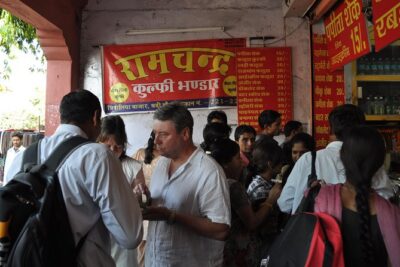 ★ 5.0Jaipur Bazaar & Food Walking TourFrom $37281 reviews
 ★ 5.0Full Day Old City Private Tour with Local Market visit in JaipurFrom $55151 reviews
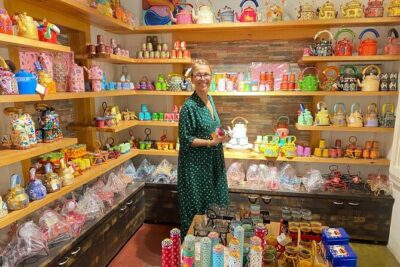 ★ 5.0Private Shopping Tour in JaipurFrom $16135 reviews
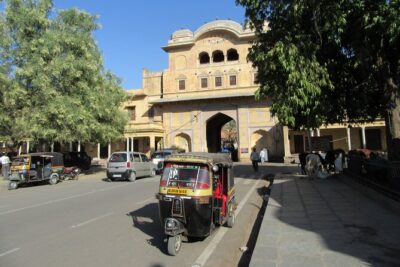 ★ 5.0Jaipur Tuk-Tuk Tour with Flower Market VisitFrom $6124 reviews
 ★ 5.0Jaipur Tour by Tuk-Tuk or Car with Flower MarketFrom $6120 reviews
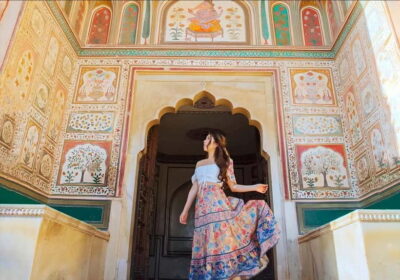 ★ 4.9Half-Day Guided Sightseeing Tour with Flower MarketFrom $4119 reviews
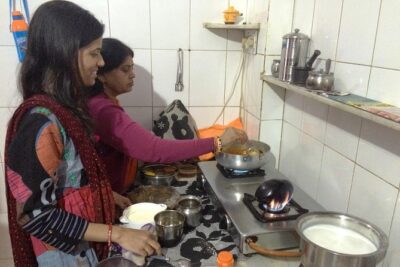 ★ 5.0Jaipur Market Tour & Vegetarian Rajasthani Home Cooking ClassFrom $60113 reviews
 ★ 5.0Half or Full Day Sightseeing Tour with Flower MarketFrom $794 reviews
This tour also appears in