
Rajasthan photography feels different when a cultural expert sets the frame. This 9-hour private tour in the Jaipur area pairs anthropologist-led conversations with real-world photography fixing so you learn how to see nomadic and tribal life with respect, not just a camera in hand.
I especially like the human scale: Yusuf Khurram (your guide) coordinates meaningful interactions around Rajasthan’s nomadic communities, with room for questions and on-the-spot help. The second thing I like is the practical pacing—early starts, air-conditioned transport, and lunch handled—so you can focus on shooting and learning.
One thing to consider: entrance fees for monuments or any paid properties are not included, so you’ll want cash/card ready if your day includes stops with ticketed access. Also, you’re starting at 7:00 am, so plan for an early morning.
In This Review
- Key things you’ll likely enjoy on this Rajasthan photography tour
- How this Rajasthan photography tour works in real life
- Yusuf Khurram and the anthropology angle you can actually use
- The 7:00 am start: why it helps your photos in Jaipur
- Jaipur street photography session: what you can expect
- Cultural study with nomadic communities: why the interaction is the point
- Jodhpur-area transfers: how this affects your planning
- Lunch, coffee/tea, and the rhythm of a 9-hour day
- Price and value: what $107.84 per group really buys
- Who this tour is best for (and who should rethink it)
- Practical tips to get better photos and a smoother day
- Should you book this Rajasthan photography tour?
- FAQ
- What time does the tour start?
- How long is the experience?
- Is this tour private or shared?
- What’s included in the price?
- Are monument or entrance fees included?
- Is pickup available?
- Is free cancellation available?
Key things you’ll likely enjoy on this Rajasthan photography tour
- Photography fixing with Yusuf Khurram so you get hands-on direction while you shoot
- Anthropology-led cultural study, not just sightseeing photos
- Private, flexible format for photographers, videographers, and documentary-minded travelers
- Early start + comfortable transfers with an air-conditioned vehicle and bottled water
- Respectful community interaction, with music and dance elements likely involved
- Lunch included, plus coffee or tea, to keep the day moving smoothly
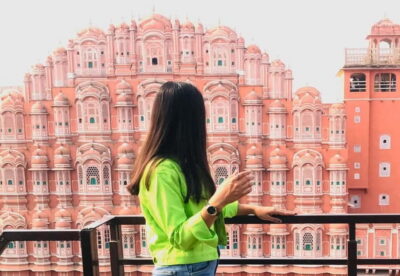
The most photogenic corners, framed for you
- Jaipur Instagram Tour of Photogenic Spots
★ 5.0 · 30 reviews - Private Tour of Instagrammable Photogenic Spots in Jaipur
★ 5.0 · 22 reviews - Jaipur: Instagram Tour of The Top Photography Spots
★ 4.6 · 19 reviews - Jaipur: Private Tour for Instagram and Photography Lovers
★ 5.0 · 12 reviews
How this Rajasthan photography tour works in real life
This is the kind of tour that treats photography as more than a hobby. It’s built for professional shooters, but it also welcomes non-professionals—especially if you want your images to say something real about Rajasthan’s people and daily rhythms.
The big difference is the guide’s role. Yusuf Khurram isn’t only driving you around; he’s coordinating cultural context and helping you make better photos (and better choices) while you’re there. That’s what “photographic fixing” means in practice: you get support before and during shoots, and you’re not left to figure out everything on your own.
Your group stays private. That matters because cultural conversations and photo sessions often go best when you’re not sharing time with strangers. You can ask questions, pause when someone wants to explain, and adjust the route to what’s working on the day.
Yusuf Khurram and the anthropology angle you can actually use
The tour is led by a cultural anthropologist working through social and visual anthropology research projects in Rajasthan. In plain terms, you’re getting someone who knows how to approach communities carefully and how to explain what you’re seeing.
This is especially useful if you’re trying to photograph faces, homes, work, or rituals. Without context, a photo can feel like you’re just collecting images. With context, you learn what the setting means, what to ask, and what to avoid.
From what’s described, Yusuf also coordinates pre-photography interviews and supports the actual shooting process. So if you’re serious about documentary-style work, you’ll likely appreciate the structure. And if you’re more casual, you’ll still benefit because you’ll know what to look for and how to respect people’s space.
The 7:00 am start: why it helps your photos in Jaipur
You start at 7:00 am, and that early timing isn’t random. Morning light is steadier, streets feel less crowded, and people are often already moving with purpose. Even if you’re not chasing “golden hour” magic, you’ll usually get better opportunities for street photography.
You also travel with an air-conditioned vehicle and bottled water. That sounds minor, but in Rajasthan heat it changes how long you can comfortably keep working. You can shoot longer, walk when needed, and still feel human by lunchtime.
If you’re sensitive to early starts, treat this as part of the experience design. This is not a late-afternoon stroll. It’s a “get out early, learn fast, shoot smart” kind of day.
Jaipur street photography session: what you can expect
The planned core is a street photography tour around Jaipur. The exact route and timing are flexible, but the focus is on city lifestyle—textures, people, and everyday scenes around the Jaipur area.
In a day like this, I look for three things:
- Clear subjects you can build a story around (people at work, family routines, craft and trade).
- Photo variety (wide context shots plus close details, not just one kind of frame).
- Permission and comfort (where conversation and respect make better images).
That’s where a fixer-style guide helps. You’re not only chasing angles. You’re finding moments you can photograph ethically and comfortably—then refining how you capture them.
You might also include monument-adjacent stops if that fits your choices. But remember: entrance fees are not included, so any ticketed sights can add extra cost.
More frames from around Jaipur
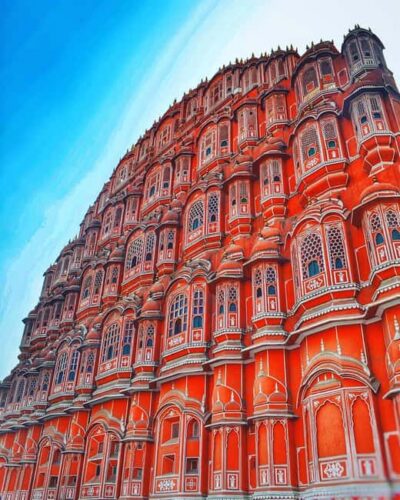
Cultural study with nomadic communities: why the interaction is the point
The tour concept centers on nomadic people living in Rajasthan’s Thar Desert region. The expectation is that you’ll spend time with communities such as the Kalbelia people (often described as traditional snake charmers), typically in a remote village setting.
What makes this valuable is that it’s not presented as a show. You’re there to learn about lifestyle and culture through respectful interaction, plus music and dance elements where appropriate. That’s important for two reasons.
First, you’ll photograph differently when you understand the cultural rhythm behind what you’re seeing. Second, you’ll ask better questions, and your presence will feel less disruptive.
Still, there’s a practical reality: remote village time can involve uneven paths and longer stretches with limited amenities. The tour notes a moderate physical fitness level, so plan for walking and some basic discomfort.
Jodhpur-area transfers: how this affects your planning
One detail that matters for logistics: daily transfers from your Jodhpur hotel are provided. At the same time, the location and main stop are listed around Jaipur.
So here’s the honest way to think about it: your day is likely structured around a specific route, and your guide can coordinate based on where you’re staying and what’s feasible. If you’re booking expecting only Jaipur city streets, you may still end up with longer movement depending on your chosen cultural focus.
If you want a clean, straightforward day in Jaipur, make that clear ahead of time. If you’re open to expanding into Rajasthan’s nomadic communities around the desert belt, you’ll likely get more out of the anthropology side.
Lunch, coffee/tea, and the rhythm of a 9-hour day
This tour includes bottled water, coffee and/or tea, and lunch. It’s the kind of setup that keeps you from turning the day into a constant hunt for food and shade.
One note: the overview mentions lunch and dinner, but the included list specifically names lunch. I’d treat lunch as guaranteed and confirm whether dinner is actually part of your date’s plan.
Either way, having lunch included is a real value point. It saves you time and reduces decision fatigue, especially when you’re focused on photography.
Price and value: what $107.84 per group really buys
The price is listed as $107.84 per group (up to 2), and you’re getting a private, anthropology-led experience built around photography fixing. That’s not just transport. It’s a specialist guide plus support to help you shoot better—plus an organized cultural interaction component.
Now for the realistic caveat: entrance fees are not included. If your route includes monuments or paid sites, you’ll pay those separately. That can shift the final cost depending on the stops your guide selects.
But if you compare this to paying separately for transport + a general guide + paid workshop-style assistance, this format starts to look fair. It’s especially good value if you’re serious about documentary-style work and want direct help with how to approach scenes.
Who this tour is best for (and who should rethink it)
This experience fits best if you’re:
- A photographer, videographer, documentary filmmaker, or photo journalist
- A non-professional who wants real guidance (not just someone pointing landmarks)
- Interested in nomadic and tribal communities and how to photograph them respectfully
- Traveling with one companion (since it’s priced per group up to 2)
It may be less ideal if you’re:
- Looking for a relaxed, stop-everywhere sightseeing day with no cultural interaction time
- Not comfortable with early mornings and walking
- Hoping everything is fully ticketed-inclusively covered (entrance fees aren’t included)
Practical tips to get better photos and a smoother day
Bring a clear goal. Before you go, decide what you want your day to produce: portraits, street storytelling, craft/work moments, or cultural performance frames. When you arrive with a goal, the fixer guidance can become laser-focused.
Wear sensible shoes. You might be moving through city streets and possibly heading out toward village settings. Even if the route isn’t extreme, you’ll walk more than you expect.
Plan your budget for tickets. Since entrance fees are excluded, it’s smart to have extra funds for monument stops or any paid properties your guide includes.
Be ready to ask questions. The tour is designed around cultural learning and respectful interaction, so your curiosity helps. If you’re unsure what to ask, start simple: what people are doing, what the setting means, and what’s appropriate to photograph.
Should you book this Rajasthan photography tour?
Book it if you want your photos to come from understanding, not just location hunting. The private setup, Yusuf Khurram’s anthropologist background, and the hands-on “photographic fixing” approach make it a strong choice if you care about documentary quality and ethical shooting.
Skip (or re-check details) if you’re mostly chasing monuments and don’t want early mornings, walking, or community interaction. Also double-check the food promise for your exact date since the concept talks about lunch and dinner, while the inclusion list only clearly states lunch.
If you’re on the fence, message your guide with your photo goals and your comfort limits. This kind of tour works best when you and Yusuf align on what you want the day to look like.
FAQ
What time does the tour start?
The start time is listed as 7:00 am.
How long is the experience?
The duration is approximately 9 hours.
Is this tour private or shared?
It’s a private tour/activity, so only your group participates.
What’s included in the price?
The listed inclusions are an air-conditioned vehicle, bottled water, coffee and/or tea, and lunch.
Are monument or entrance fees included?
No. Entrance fees for monuments and any government or private properties are not included.
Is pickup available?
Pickup is offered, and daily transfers from your Jodhpur hotel are provided.
Is free cancellation available?
Yes, free cancellation is available. You can cancel up to 24 hours in advance for a full refund.
Sharper Shots of Jaipur
- Jaipur: Instagram Tour of The Top Photography Spots★ 4.6 · 19 reviews
- Jaipur: Private Tour for Instagram and Photography Lovers★ 5.0 · 12 reviews
- Jaipur Instagram Photoshoot By Local Professionals★ 5.0 · 9 reviews
- Jaipur: Private Instagram Tour of Top Photography Spots★ 4.8 · 8 reviews
- Jaipur: Full Day Sightseeing with Professional Photographer★ 5.0 · 4 reviews
More Jaipur Tours to Compare
- Jaipur: Private Full Day Sightseeing Tour By Car with Guide★ 4.9 · 1,839 reviews
- 3-Hour Morning Bike Tour of Jaipur★ 5.0 · 1,253 reviews
- Jaipur: Private Sightseeing Day Tour with Guide by Car★ 4.8 · 773 reviews
- Jaipur: Full-Day City Tour with Car, Guide & Skip-the-Line★ 4.8 · 512 reviews
- Full-Day Jaipur Private Sightseeing Tour by Car with Guide★ 5.0 · 472 reviews
- Pink City Cooking Class★ 5.0 · 452 reviews
The Photogenic Side of Jaipur
- Private Tour of Jaipur’s Most Instagrammable & Photogenic Spots★ 5.0 · 182 reviews
- Jaipur Instagram Tour of Photogenic Spots★ 5.0 · 30 reviews
- Private Tour of Instagrammable Photogenic Spots in Jaipur★ 5.0 · 22 reviews
- Jaipur: Instagram Tour of The Top Photography Spots★ 4.6 · 19 reviews
- Jaipur: Private Tour for Instagram and Photography Lovers★ 5.0 · 12 reviews
- Jaipur Instagram Photoshoot By Local Professionals★ 5.0 · 9 reviews
Newly Added Jaipur Reviews
More from Jaipur Photoshoot & Instagram Tours.
 ★ 5.0Private Tour of Jaipur’s Most Instagrammable & Photogenic SpotsFrom $30182 reviews
 ★ 5.0Jaipur Instagram Tour of Photogenic SpotsFrom $1530 reviews
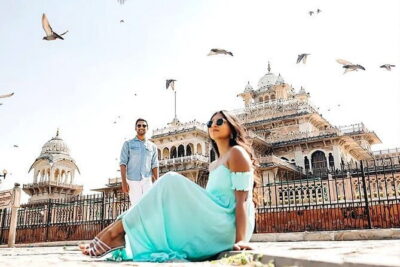 ★ 5.0Private Tour of Instagrammable Photogenic Spots in JaipurFrom $2822 reviews
 ★ 4.6Instagram Tour of The Top Photography SpotsFrom $3019 reviews
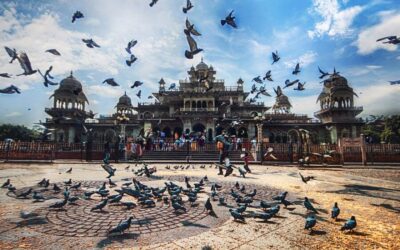 ★ 5.0Private Tour for Instagram and Photography LoversFrom $1412 reviews
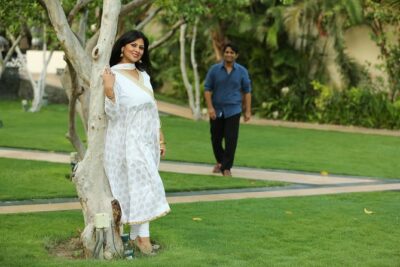 ★ 5.0Jaipur Instagram Photoshoot By Local ProfessionalsFrom $459 reviews
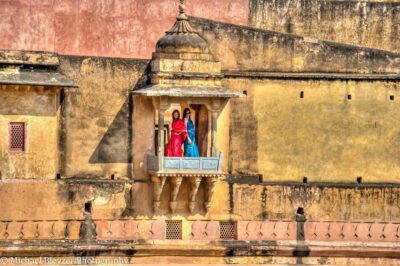 ★ 4.8Private Instagram Tour of Top Photography SpotsFrom $98 reviews
 ★ 5.0Private Half-Day Instagram Tour with GuideFrom $55 reviews
This tour also appears in