Reviewed · JAIPUR BLOCK PRINTING & CRAFTS
Private Natural Dye and Block Print Workshop with Lunch
Color lessons can feel academic. This one is practical. In Jaipur, this private workshop mixes natural dyeing with Shibori tie-dye and block printing, all using natural colors, plus a full vegetarian lunch to keep you moving.
Two things I really liked. First, you learn the actual workflow behind making color from what’s around you, not just the pretty end result. Second, you get time with experts like Sidhant and Vaibhav, so your questions don’t hang in the air. There’s also a take-home payoff: you leave with a dyed organic cotton garment and dye packs to keep experimenting after the workshop.
One possible drawback: it’s hands-on and can get tiring, so if you hate messy, stained hands (or sneakers), plan for that. Wear comfortable shoes and expect to move around during the dyeing and printing parts.
In This Review
- Key Highlights at a Glance
- A Hands-On Natural Dye Day in Jaipur (Private, Messy, and Worth It)
- Natural Dyeing: Learning Color Extraction Before You Print
- What to consider
- Shibori Tie-Dye: Folding, Tying, and Getting the Patterns Right
- Block Printing: Turning Texture Into a Repeatable Skill
- The fun tradeoff
- Lunch Break That Keeps You From Slowing Down
- What You Take Home: Garment Plus Four Dye Packs
- Add-on creativity: bring extra fabric
- Price and Value: Is $190 Fair for a 5.5-Hour Workshop?
- Logistics That Matter: Timing, Comfort, and Transportation
- Who This Workshop Is For (and Who Might Skip It)
- Should You Book Dye It Yourself in Jaipur?
- FAQ
- How long is the workshop?
- What’s included in the price?
- Can I take the dyed items home?
- Is transportation included?
- What should I wear?
- Can I dye my own fabric or garments?
- What if the weather is bad?
Key Highlights at a Glance
- Natural color extraction: you learn how to pull yellows, oranges, browns, pinks, blues, reds, and greens
- Three full segments: natural dyeing, Shibori tie-dye, and block printing
- You take something home: an organic cotton garment plus four natural dye packs
- Bring extra fabric: you can dye additional garments or cloth during the session
- Expert guidance all day: time to interact with Sidhant and Vaibhav and the team at Sodhani Biotech
- Lunch built in: vegetarian thali, plus tea and cookies, and bottled water
Hands dyed indigo: more Jaipur craft to try
- Private Jaipur Full-Day Tour with Block Printing
★ 5.0 · 206 reviews - Learn Hand Block Printing Techniques & Print Your Own Fabric
★ 5.0 · 95 reviews - Jaipur: Block Printing Workshop and Hands-on Experience
★ 5.0 · 78 reviews - Hands-on Block Printing Workshop
★ 5.0 · 76 reviews
A Hands-On Natural Dye Day in Jaipur (Private, Messy, and Worth It)
This is the kind of workshop where you stop watching and start doing. You’re in Jaipur, learning how natural dyes work in real life—how color is made, how fabric reacts, and how techniques like tie-dye and block printing change the final look. It’s private for your group, so you’re not squeezed into a crowd shuffle.
The setting matters too. The workshop is run at Sodhani Biotech, and the team treats it like a full-day craft session, not a rushed demonstration. In past experiences, that focus shows up in the way staff answers questions and keeps the flow practical. You’ll feel it when you’re actually staining, folding, tying, and stamping.
The workshop runs about 5.5 hours (roughly), with an opening window of 10:00 AM to 5:00 PM. You’ll start at Kokawas (the meeting point is QQ7J+M27) and return there at the end. Transportation isn’t included, so you’ll want to plan how you’ll get there and back.
Natural Dyeing: Learning Color Extraction Before You Print
Natural dyeing sounds simple until you try it. The workshop starts by giving you the fundamentals—history and core concepts—then moves into the real work: understanding the natural colors and how they’re extracted. You’re taught about sourcing and processing tones like yellow, orange, brown, pink, blue, red, and green, using natural materials.
What I like about this part for you is that it flips the usual souvenir mindset. Instead of buying already-made pieces and calling it learning, you’re learning why the color behaves the way it does. That’s a big deal if you care about sustainability or you’ve ever wondered how natural dyes differ from chemical dye.
There’s also a sustainability angle built into the workshop’s approach. The organizers aim to use waste from kitchen areas and surrounding resources to support natural dyeing. That doesn’t mean you’re turning scraps into masterpieces on your own—but it gives you a grounded sense of how natural dye practice can be more waste-aware than industrial coloring.
What to consider
Natural dye results can vary a bit, even with the same method. That’s not a flaw. It’s part of the charm and part of the lesson: you’re learning process, not just a fixed recipe.
Shibori Tie-Dye: Folding, Tying, and Getting the Patterns Right
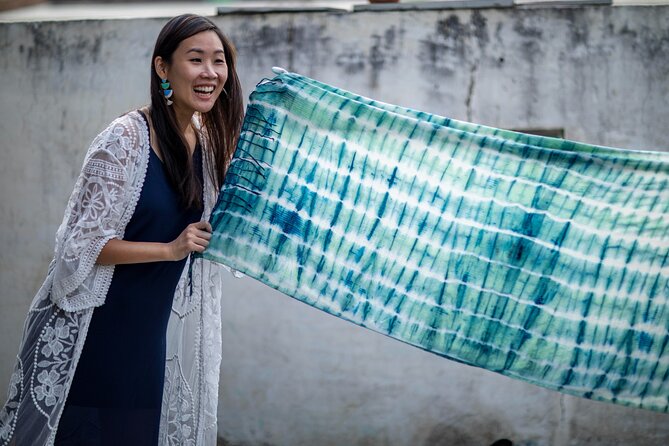
Then comes Shibori tie-dye. This is where your hands finally get their workout. Shibori is all about controlling where dye can reach and where it can’t, using folds, ties, and resist techniques. You’ll learn how to create different effects by changing how fabric is handled before dye hits it.
For practical reasons, Shibori is one of the best parts of the day. It’s hands-on, interactive, and fast enough to keep momentum. You see the logic quickly: fold here, tie there, and you get boundaries and textures you can recognize immediately once you open things up.
This segment also plays well with the rest of the workshop. By the time you move into block printing, you’ll already understand that natural dyes don’t just color fabric; they interact with how the fabric is prepared. In other words: your technique shapes the outcome.
A shortlist worth scanning before you book:




Block Printing: Turning Texture Into a Repeatable Skill
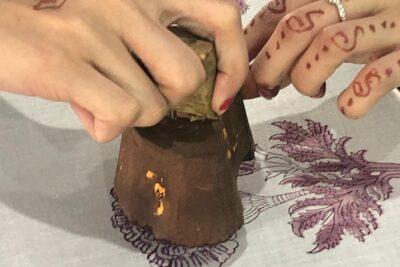
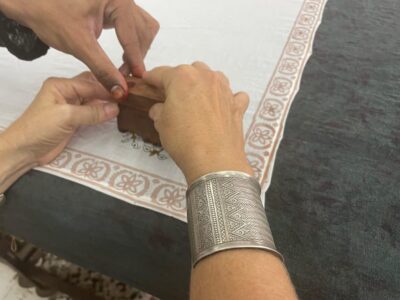
Block printing is the third major segment, and it’s the one that makes the workshop feel like a creative studio session. You get to learn the basics of stamping with blocks to create patterns, and you’ll see how natural dyes and fabric preparation affect how crisp or soft a design feels.
If you’ve ever thought block printing looks like magic from far away, this is your antidote. You’ll learn the cause-and-effect. Pressing pressure, alignment, dye saturation, and timing all matter. It’s a skill you can practice later at home (at least in a simplified form) because you’re not only learning a design—you’re learning how to transfer an idea onto cloth.
The fun tradeoff
This part can be a bit repetitive in the best way. You do it enough times that you get comfortable, but if you’re someone who hates repetition, you might feel the length in the session.
Lunch Break That Keeps You From Slowing Down
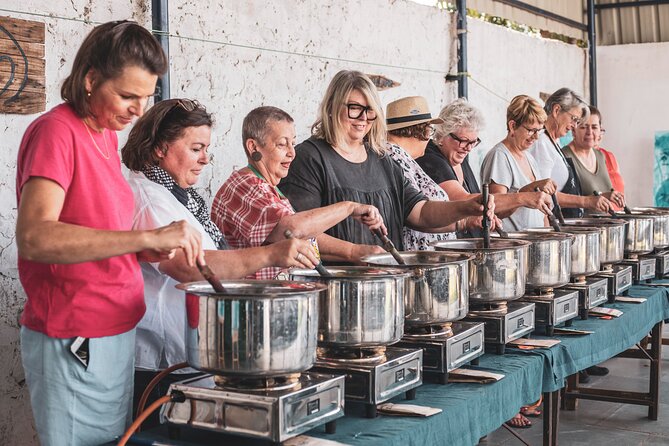
You get lunch included: a vegetarian thali. The thali includes three vegetable servings, chapati (bread), rice, curd, and a sweet. On top of that, there are snacks: Indian tea and cookies, plus bottled water.
I like that this is fuel, not an afterthought. When you’re dyeing and printing, you don’t want to wander into the heat or hunt for food between steps. The lunch is built into the experience so you can keep your energy up and your head in the craft.
Also, if you’re thinking about value, this matters. Workshops like this can quietly inflate costs once you factor in meals. Here, the food is included, so the day feels complete rather than patched together.
What You Take Home: Garment Plus Four Dye Packs
Here’s the big “yes” factor for me. You don’t just learn during the workshop and then go home empty-handed. You receive materials to create and take home a dyed organic garment.
You choose from options like a scarf, dress, shorts, placemat, cushion cover, or similar items (the exact set of choices is flexible within that list). You also get an organic cotton bag for take-home storage.
And then there are the dye packs. You get four natural dye packs (50 grams each). That’s enough to support further experiments after you return from Jaipur, especially if you keep your materials organized and test on smaller fabric pieces first.
Add-on creativity: bring extra fabric
You can bring as much fabric or garments as you want to dye during the workshop. That’s great if you already have old cotton items you’d like to rework, or if you want to make matching pieces for friends.
Price and Value: Is $190 Fair for a 5.5-Hour Workshop?
At $190 per person, you’re paying for three things at once:
1) instruction across natural dyeing, Shibori tie-dye, and block printing
2) all the materials needed to make and take home a dyed organic cotton garment
3) food and refreshments (vegetarian thali, tea, cookies, bottled water)
For me, the value hinges on the take-home kit. You leave with the garment plus dye packs, which means you’re not just buying a one-day craft memory. You’re buying the chance to continue experimenting. If you’ve ever regretted spending money on tours that end the moment you leave, this setup helps prevent that.
There’s also a private format, which tends to justify cost because you’re getting your group’s share of staff attention. Group discounts are available, so if you’re traveling with friends, that can make the price feel even more reasonable.
Finally, the workshop’s sustainability theme is more than a slogan. The focus on natural dyes and waste-aware sourcing gives you practical context you can use when you shop for textiles later.
Logistics That Matter: Timing, Comfort, and Transportation
A few practical notes that will save you stress.
The workshop runs within 10:00 AM to 5:00 PM hours, and the activity is about 5 hours 30 minutes. You’ll start at the Kokawas meeting point and return there. Confirmation happens at booking time, and you’ll get what the operator calls a mobile ticket.
Transportation isn’t included. If you’re staying in central Jaipur, you’ll want to budget time for getting out to Kokawas. Planning this well helps you arrive without feeling rushed, especially since dyeing days start faster than you expect.
Comfort matters. Wear comfortable shoes. The workshop notes that it might get tiring sometimes, and you’ll likely be on your feet while handling fabric, tools, and setups.
If you travel with service animals, they’re allowed. The workshop also says most travelers can participate.
Who This Workshop Is For (and Who Might Skip It)
This is a strong fit if you:
- want a real skills day in Jaipur, not just a visual experience
- care about natural dyes and sustainability in a practical way
- like crafts where you can take materials home and keep going
- enjoy asking questions and learning process, even if you’re a beginner
It may not be the best fit if you:
- dislike getting your hands messy or expect a clean, hands-off class
- want a short, low-effort activity
- prefer purely scenic sightseeing over making things with your own time
Based on what I’ve seen in the way the team runs the day, the workshop especially suits people who want expert guidance but still want to try every step themselves.
Should You Book Dye It Yourself in Jaipur?
I’d book it if you want a hands-on creative day with real take-home value. The combination of natural dyeing + Shibori + block printing is rare in one session, and the inclusion of dye packs plus an organic cotton garment changes the whole equation. You’re not walking away with just photos.
If you’re on the fence, check your tolerance for messy craft work and choose shoes you can stand in for a while. Then go for it—this is the sort of experience that turns sustainability from an idea into something you can actually practice.
One more thought: bring extra cotton fabric if you have it. It makes the day feel bigger, and it gives you more chances to experiment with patterns and color outcomes.
FAQ
How long is the workshop?
The workshop lasts about 5 hours 30 minutes (approx.).
What’s included in the price?
Your ticket includes natural dye packs (four packs of 50 grams each), an organic cotton garment you can choose, an organic cotton bag, lunch (vegetarian thali), snacks (Indian tea and cookies), and bottled water.
Can I take the dyed items home?
Yes. You’ll create and take home a dyed organic cotton garment, and you’ll also receive dye packs as takeaway items.
Is transportation included?
No, private transportation is not included.
What should I wear?
Wear comfortable shoes. The workshop can be tiring at times, and it’s hands-on work.
Can I dye my own fabric or garments?
Yes. You can bring as much fabric or garments as you want to dye during the workshop.
What if the weather is bad?
The experience requires good weather. If it’s canceled due to poor weather, you’ll be offered a different date or a full refund.
More Lunch Experiences in Jaipur
- From Jaipur: Private Taj Mahal & Agra Day Trip with 5* Lunch★ 4.9 · 161 reviews
- Pushkar Day Trip from Jaipur – Private Car, Safari, Guide & Lunch★ 4.5 · 45 reviews
- All Inclusive Private Jaipur City Tour with 5-star Lunch & Guide★ 5.0 · 34 reviews
- Block Printing Workshop in Jaipur! (including lunch)★ 5.0 · 34 reviews
- From Delhi: Private Agra & Taj Mahal Tour with 5 * Lunch★ 5.0 · 32 reviews
- Jaipur: Full-Day Sightseeing Tour with Guide and Lunch★ 4.9 · 25 reviews
More Jaipur Tours to Compare
- Jaipur: Private Full Day Sightseeing Tour By Car with Guide★ 4.9 · 1,839 reviews
- 3-Hour Morning Bike Tour of Jaipur★ 5.0 · 1,253 reviews
- Jaipur: Private Sightseeing Day Tour with Guide by Car★ 4.8 · 773 reviews
- Jaipur: Full-Day City Tour with Car, Guide & Skip-the-Line★ 4.8 · 512 reviews
- Full-Day Jaipur Private Sightseeing Tour by Car with Guide★ 5.0 · 472 reviews
- Pink City Cooking Class★ 5.0 · 452 reviews
Block, Dye and Print: More Craft
- Private Jaipur Full-Day Tour with Block Printing★ 5.0 · 206 reviews
- Learn Hand Block Printing Techniques & Print Your Own Fabric★ 5.0 · 95 reviews
- Jaipur: Block Printing Workshop and Hands-on Experience★ 5.0 · 78 reviews
- Hands-on Block Printing Workshop★ 5.0 · 76 reviews
- Block Printing & Village Stories: Discover Bagru’s Craft Legacy★ 5.0 · 42 reviews
- Block Printing Workshop in Jaipur! (including lunch)★ 5.0 · 34 reviews
Newly Added Jaipur Reviews


More from Jaipur Block Printing & Crafts.
 ★ 5.0Private Jaipur Full-Day Tour with Block PrintingFrom $13206 reviews
 ★ 5.0Learn Hand Block Printing Techniques & Print Your Own FabricFrom $3595 reviews
 ★ 5.0Block Printing Workshop and Hands-on ExperienceFrom $3578 reviews
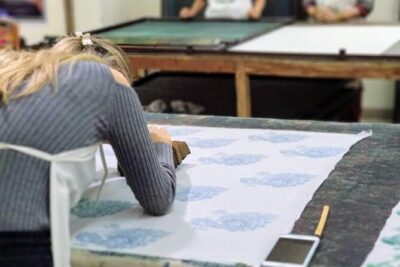 ★ 5.0Hands-on Block Printing WorkshopFrom $2576 reviews
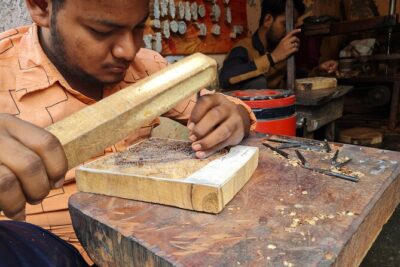 ★ 5.0Block Printing & Village Stories: Discover Bagru’s Craft LegacyFrom $5842 reviews
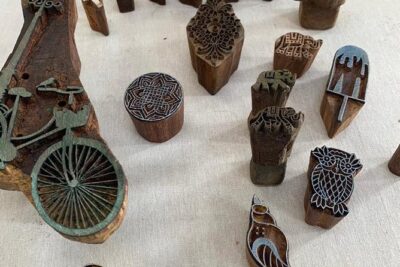 ★ 5.0Block Printing Workshop in Jaipur! (including lunch)From $5634 reviews
 ★ 4.5Wheel Pottery WorkshopFrom $3019 reviews
★ 5.0Hands-on Block Printing WorkshopFrom $2412 reviews
This tour also appears in