
Reviewed · JAIPUR COOKING CLASSES
Private 3-Hour Cooking Lesson and Meal in a Local Home in Jaipur
Jaipur cooking feels like being invited in. This private 3-hour class in a local home (hosted by Shveta and her husband Kul) is a hands-on way to learn North Indian food while sharing time with the family at the table. You’ll help make several dishes, then eat what you cooked together, which is way more personal than a typical restaurant meal.
I especially like the cooking format: it’s not just watching. You get to prep and cook multiple components in a real home kitchen, including favorites like aloo gobhi, daal, and Indian breads. I also like that the meal continues the experience, so you’re not rushed out right after the last bite.
One thing to consider: there’s no hotel pickup or drop-off, so you’ll need to get yourself to the meeting point in Jaipur and plan your return timing.
In This Review
- Key Highlights Worth Planning For
- A Private Jaipur Home Kitchen With Shveta and Kul
- The Real Point of the 3 Hours: Cooking North Indian Dishes You Can Repeat
- What Happens in the Kitchen (and Why It’s Better Than Watching)
- Spices, Texture, and Bread: The Skills That Translate at Home
- The Meal You Cook: Eating With Shveta’s Family
- Price and Value: What $80 Gets You in Jaipur
- Logistics That Actually Matter (No Pickup, Plan Your Arrival)
- Who Should Book This Jaipur Cooking Class?
- Should You Book This Jaipur Cooking Lesson?
- FAQ
- How long is the cooking lesson and meal in Jaipur?
- Is this experience private or shared?
- What dishes will I learn to cook?
- Is there a vegetarian option?
- What’s included in the price?
- Do I get hotel pickup or drop-off?
Key Highlights Worth Planning For
- A home-kitchen welcome with Indian music in Shveta and Kul’s contemporary house
- Hands-on cooking of 3 to 5 dishes (with some groups doing up to 6)
- North Indian classics like aloo gobhi, daal, rotis, and curries
- Family table time after cooking, with conversation and shared dining
- Vegetarian option available if you book with your preference
- Includes the essentials like bottled water, beverages, taxes, and gratuities
Aprons on for another Rajasthani kitchen
- Pink City Cooking Class
★ 5.0 · 452 reviews - Jaipur Market Tour & Vegetarian Rajasthani Home Cooking Class
★ 5.0 · 113 reviews - Cooking Class in Jaipur – Family Experience with Meal & Transport
★ 5.0 · 101 reviews - Interactive Cooking Class with a Local Family in Jaipur
★ 5.0 · 90 reviews
A Private Jaipur Home Kitchen With Shveta and Kul
In Jaipur, it’s easy to stack your day with forts and temples and end up eating great meals that you never really learn from. This experience flips that script. You go to a local home, not a cooking studio, and you spend the evening in a real kitchen routine, with the sounds of Indian music in the background and family energy all around.
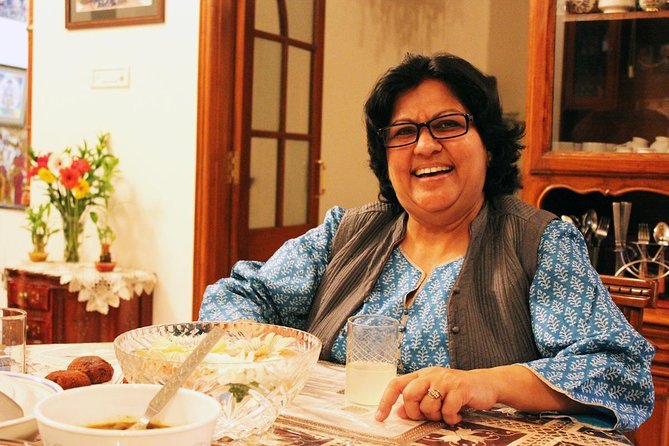
Shveta is the teacher. In the comments, you’ll also see her name spelled as Shalini. Same warmth and same role: she guides you step by step, and she clearly enjoys explaining what she’s doing. Kul is part of the hosting team, and the vibe is calm and welcoming, the way a good home meal should feel.
What you can count on is a true home-style flow. You arrive, you’re greeted, and then you move into cooking. This is the main value here: you’re not learning a single dish in isolation. You’re learning how a North Indian meal comes together across multiple dishes—vegetable, lentil, bread, curry, and often something sweet.
The Real Point of the 3 Hours: Cooking North Indian Dishes You Can Repeat
The class runs about three hours, and that timing matters. It’s long enough for you to do real work—chopping, mixing, rolling, frying, simmering—without turning into a full-day cooking marathon. And because it’s private for your group, you can ask questions as you go instead of hoping your turn comes in a busy schedule.
You’ll typically help prepare three to five dishes. Common examples include:
- Aloo gobhi (potatoes and cauliflower)
- Daal (lentils)
- Indian breads, often roti/rotis
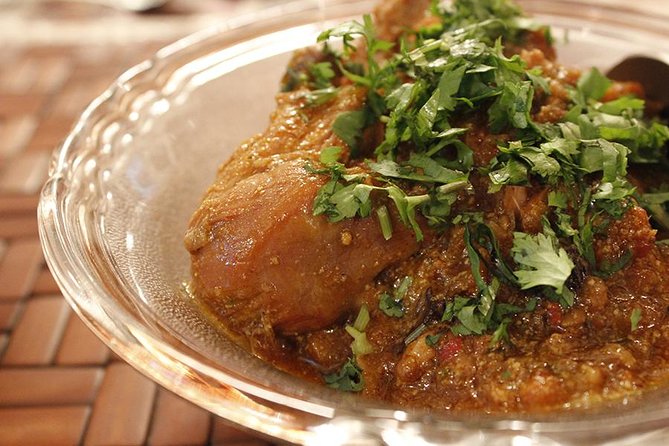
- A curry, such as chicken curry or a flavorful variation your host chooses
Depending on what’s planned for your group, you might also touch other items that show up in the dish list like pakoras (fried snacks) and dessert such as kheer (a traditional rice pudding). Even when the exact menu shifts, the skill you’re building is consistent: you learn how ingredients behave, how spices transform, and how to balance the meal as a whole.
A practical benefit: after class, you’re not just left with a memory. You get recipes you can try at home. That’s huge. Cooking lessons that don’t give you the recipe sheet are mostly storytelling. This one is built around take-home instructions—so you can recreate the flavors later.
What Happens in the Kitchen (and Why It’s Better Than Watching)
Here’s the difference between a typical cooking show and a real lesson in someone’s home: you’re hands-on at the moments that actually make food taste right.
In Shveta’s kitchen, your time is structured so you do key tasks, not just stand by. You may help with:
- Prepping vegetables for aloo gobhi
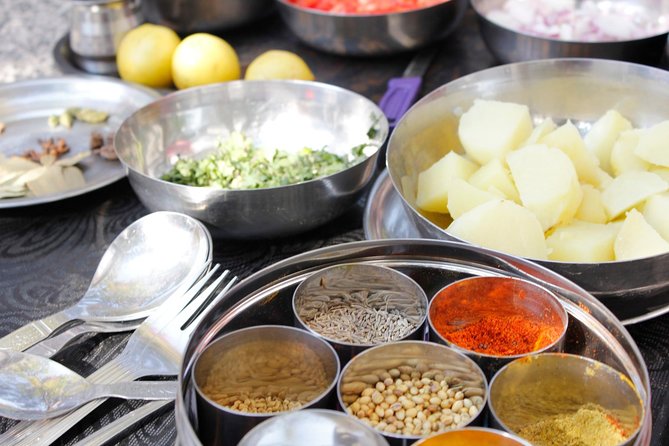
- Mixing or tempering spices for curries and daal
- Working dough for roti/rotis (a skill that many people feel they can’t learn until someone teaches them)
- Helping fry items like pakoras if that’s on the menu
- Finishing and serving the meal you made
One of the most praised parts of this experience is that Shveta explains recipes in great detail and gives practical tips. That matters for beginners. North Indian cooking can feel intimidating because of spice combinations and technique. But once someone walks you through what to do—when to add what, what consistency to aim for, how to adjust flavors—it becomes repeatable.
Also, the setting makes it easier to ask questions. In a restaurant class, you might feel like you’re interrupting. In a home kitchen, people are already living the process, and you fit into it for a short stretch.
Spices, Texture, and Bread: The Skills That Translate at Home
If your goal is to cook better Indian food at home, the bread and the texture work are where you’ll get your most lasting payoff. One review specifically calls out being excited to make roti, and that excitement makes sense. Getting roti right is a mix of dough feel and heat control—two things that are hard to learn from a written recipe alone.
While the exact bread process can vary, the teaching focus is the same: you learn how the dough should look and feel, how to work it, and how to manage cooking so you don’t end up with dry or tough results. Once you understand that, you can apply the technique to other Indian breads later.
The curries and daal teach another kind of lesson: flavor building. In North Indian cooking, spices aren’t just sprinkled in at the end. They’re used to bloom flavor, build depth, and create a sauce that clings to bread. When you help cook a curry or daal, you’re learning the rhythm of the dish—when to simmer, when to taste and adjust, and how thickness should look before you serve.
And then there’s aloo gobhi—a dish that seems simple but teaches balance. Potatoes and cauliflower both take on flavor, so getting the seasoning right makes a big difference. You leave with a better understanding of how to season vegetables so they don’t taste flat once mixed.
A shortlist worth scanning before you book:

The Meal You Cook: Eating With Shveta’s Family
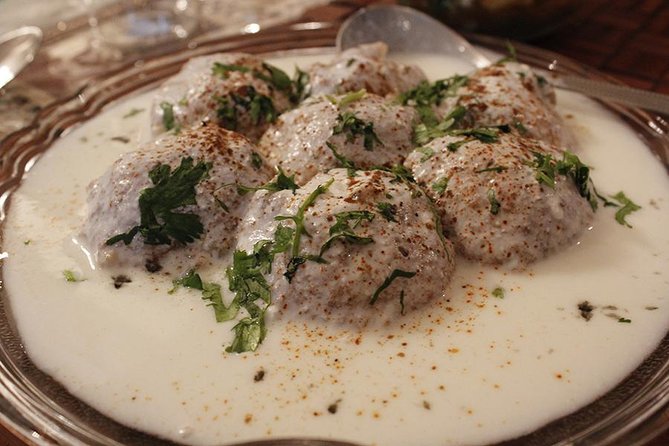
This is where the experience becomes more than a class. After you’ve helped prepare the dishes, you sit down for the meal you made, with Shveta and Kul and family at the dining table.
That shared meal is often the highlight because it changes the tone. You’re not eating in a separate room or passing plates to strangers. You’re in the home’s normal social space. Food tastes better when you understand the effort behind it, and it helps that the hosts are warm and comfortable with conversation.
One comment describes the welcome as fascinating and mentions meeting family members and sharing the meal as a fun part of the evening. That’s the emotional value you’re buying here: hospitality plus food plus a little cultural exchange, all in a setting that feels real.
If you’re wondering about timing and pacing, expect a relaxed flow: cooking first, then eating. Since the experience includes either lunch or dinner, your schedule may depend on the session you book, but the overall arc stays the same.
Price and Value: What $80 Gets You in Jaipur
At $80 per person for roughly three hours, this isn’t the cheapest way to eat in Jaipur. But it’s also not trying to be. You’re paying for something you can’t fake: a private home meal experience with hands-on teaching, plus ingredients, beverages, and what amounts to an all-in hosted session.
Here’s the value logic I’d use:
- You’re not paying for a single dish. You’re cooking several parts of a North Indian meal.
- You’re not just learning technique; you’re learning how to put a meal together.
- You’re getting recipes to try again later, which increases the long-term value of the class.
- It’s private for your group, so you get more direct attention and fewer waiting gaps than in larger group sessions.
There’s also a practical value in the extras: bottled water, beverages, and the fact that taxes and handling charges are included. Gratuities are included too, so you’re not scrambling at the end of the meal.
If you’re traveling with one or two friends and want an authentic cultural activity that doesn’t feel like a performance, the price starts making sense. It’s an experience you’ll still talk about after you finish your spice rack back home.
Logistics That Actually Matter (No Pickup, Plan Your Arrival)
This is one of those activities that can be either smooth or stressful depending on how you plan. The big detail: no hotel pickup and drop-off. That means you’ll want to:
- Confirm how you’ll reach the meeting point before the day of
- Give yourself a buffer for Jaipur traffic
- Plan your return so you’re not stuck waiting later
The listing notes it’s near public transportation, which helps if you’d rather avoid taxis for every leg. Also, the ticket is mobile, which is convenient if you’re already living with phone-based confirmations.
Another small point: a minimum of two people per booking is required. If you’re solo, you’ll need to match with someone or book in a pair.
Who Should Book This Jaipur Cooking Class?
This experience fits best if you want more than a meal. It’s ideal for:
- Couples or friends who like shared projects
- Food lovers who want to learn technique, not just eat
- Beginners who need step-by-step guidance for roti/rotis and spice-heavy dishes
- People who enjoy talking with hosts and don’t mind a home setting
If you hate hands-on activities or you want a purely structured, studio-style class with lots of equipment and timers, this might feel too informal. But the informal part is also the point: you’re cooking like you’re part of someone’s evening routine.
You’ll also want to book with your dietary needs in mind. There’s a vegetarian option, and the host asks you to advise dietary requirements at booking. If allergies or specific restrictions matter, communicate clearly ahead of time so the menu can be adjusted.
Should You Book This Jaipur Cooking Lesson?
Yes, if your idea of a great Jaipur day includes learning something you can repeat. This is a well-reviewed, warmly hosted cooking experience that gets you into the kitchen, then into the dining room—so you leave with both skills and memories.
Book it especially if:
- You want a private, home-based experience rather than a crowded cooking school
- You’re excited to learn North Indian staples like roti/rotis, daal, and aloo gobhi
- You’d like a recipe-driven takeaway instead of just a nice dinner
Pass or consider a different option if you’re counting on hotel pickup, or if you don’t want to do hands-on prep and cooking.
If you do go, show up hungry, ask questions as you cook, and treat the meal as part of the lesson—not the finish line.
FAQ
How long is the cooking lesson and meal in Jaipur?
It runs for about 3 hours.
Is this experience private or shared?
It’s private. Only your group participates.
What dishes will I learn to cook?
You’ll help prepare a traditional North Indian meal with 3 to 5 dishes that may include aloo gobhi (cauliflower and potatoes), curries, daal, Indian breads like rotis, and dessert. The exact dishes can vary by session.
Is there a vegetarian option?
Yes, a vegetarian option is available. Let the operator know at the time of booking.
What’s included in the price?
The experience includes a private cooking class and meal with your host, bottled water, beverages, taxes and fees, and gratuities.
Do I get hotel pickup or drop-off?
No. Hotel pickup and drop-off are not included, and the activity ends back at the meeting point.
Make a Little Rajasthan to Take Home
- Pink City Cooking Class★ 5.0 · 452 reviews
- Jaipur Market Tour & Vegetarian Rajasthani Home Cooking Class★ 5.0 · 113 reviews
- Cooking Class in Jaipur – Family Experience with Meal & Transport★ 5.0 · 101 reviews
- Interactive Cooking Class with a Local Family in Jaipur★ 5.0 · 90 reviews
- Jaipur: Block Printing Workshop and Hands-on Experience★ 5.0 · 78 reviews
- Hands-on Block Printing Workshop★ 5.0 · 76 reviews
More Jaipur Tours to Compare
- Jaipur: Private Full Day Sightseeing Tour By Car with Guide★ 4.9 · 1,839 reviews
- 3-Hour Morning Bike Tour of Jaipur★ 5.0 · 1,253 reviews
- Jaipur: Private Sightseeing Day Tour with Guide by Car★ 4.8 · 773 reviews
- Jaipur: Full-Day City Tour with Car, Guide & Skip-the-Line★ 4.8 · 512 reviews
- Full-Day Jaipur Private Sightseeing Tour by Car with Guide★ 5.0 · 472 reviews
- Pink City Cooking Class★ 5.0 · 452 reviews
Cook It Yourself: Rajasthani Classes
- Pink City Cooking Class★ 5.0 · 452 reviews
- Jaipur Market Tour & Vegetarian Rajasthani Home Cooking Class★ 5.0 · 113 reviews
- Cooking Class in Jaipur – Family Experience with Meal & Transport★ 5.0 · 101 reviews
- Interactive Cooking Class with a Local Family in Jaipur★ 5.0 · 90 reviews
- Jaipur Pink City Cooking Class★ 5.0 · 73 reviews
- Indian Traditional Hands On Cooking Classes with local Family★ 5.0 · 69 reviews
Newly Added Jaipur Reviews





More from Jaipur Cooking Classes.
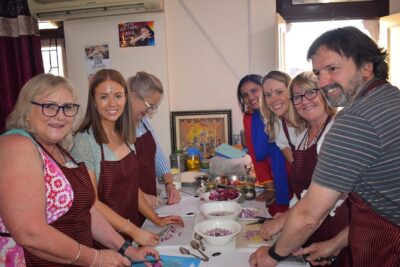 ★ 5.0Pink City Cooking ClassFrom $27452 reviews
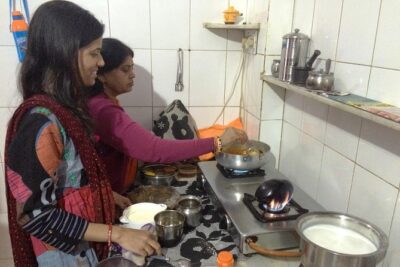 ★ 5.0Jaipur Market Tour & Vegetarian Rajasthani Home Cooking ClassFrom $60113 reviews
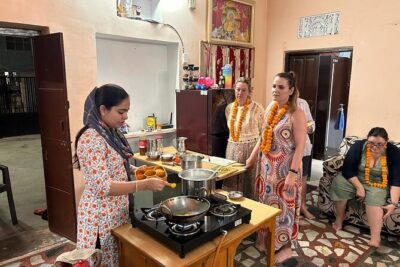 ★ 5.0Cooking Class in Jaipur – Family Experience with Meal & TransportFrom $29101 reviews
 ★ 5.0Interactive Cooking Class with a Local Family in JaipurFrom $2690 reviews
 ★ 5.0Jaipur Pink City Cooking ClassFrom $2073 reviews
 ★ 5.0Indian Traditional Hands On Cooking Classes with local FamilyFrom $6469 reviews
 ★ 4.9Interactive Cooking Class with a Local FamilyFrom $2458 reviews
 ★ 5.0Traditional cooking class and storytelling sessionFrom $2748 reviews
This tour also appears in