
Reviewed · JAIPUR COOKING CLASSES
Cooking Class in Jaipur – Family Experience with Meal & Transport
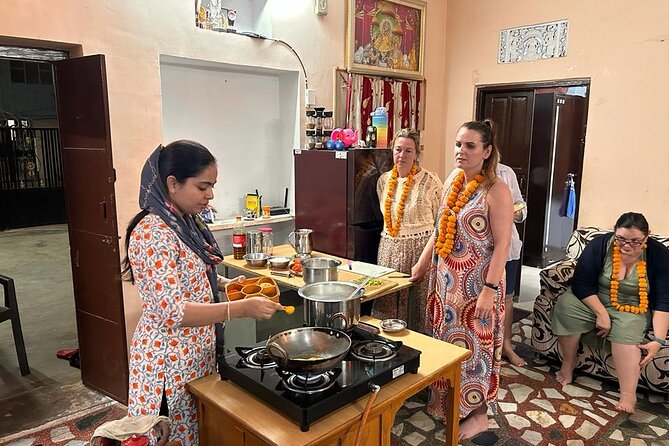
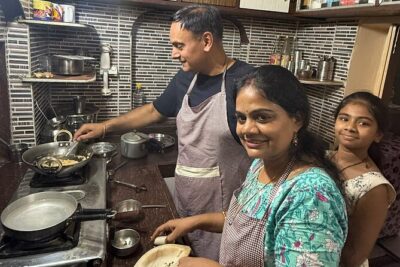
Roti in a real Jaipur kitchen. This hands-on family cooking class is built around cooking in a local home, not watching from the sidelines. You get pickup and drop-off, learn classic dishes with step-by-step guidance, and finish by eating what you made with beverages.
What I really like is the class style. It feels personal—up to 8 people, and you’re working right in the kitchen with the host and family. I also love that the menu is clear and flexible: for lunch or dinner you cook 4 items (including chapati/roti and kheer), and for breakfast you cook 3 items.
One thing to consider is how fixed the format is. In only about 2 hours, you’ll cover a small set of dishes, and your level of hands-on time can vary depending on the host and the day’s flow.
In This Review
- Key things to know before you cook in Jaipur
- Jaipur Cooking at Home: What This Class Feels Like
- How the 2-Hour Schedule Works (Without the Rush)
- Menu Choices: Breakfast vs Lunch/Dinner (What You’ll Actually Cook)
- Lunch and dinner format: cook 4 items
- Breakfast format: cook 3 items
- You can request a dish
- The Dishes That Teach You the Most (And Why They Matter)
- Roti (chapati) and how simple dough becomes magic
- Aloo Pyaaj Sabji: potato and onion as a flavor engine
- Dal Fry: the comfort-food method
- Chana Masala or Khoya Paneer: two different paths to richness
- Kheer: dessert with technique, not just sweetness
- Getting Pickup and Transport Right: A Big Part of the Value
- Group Size and Participation: What to Expect in the Kitchen
- Hospitality: Clean Kitchens and Real-Home Conversation
- Price and Value: What You Get for Around $30
- Tips, Beverages, and the Little Practical Bits
- Where This Class Really Fits in Your Jaipur Trip
- Who Should Book This Cooking Class?
- Should You Book This Cooking Class in Jaipur?
- FAQ
- How long is the Jaipur cooking class?
- Is pickup and drop-off included?
- What dishes will I cook?
- Is the class hands-on?
- How many people are in a group?
- Are beverages and meals included?
- Are tips included?
Key things to know before you cook in Jaipur
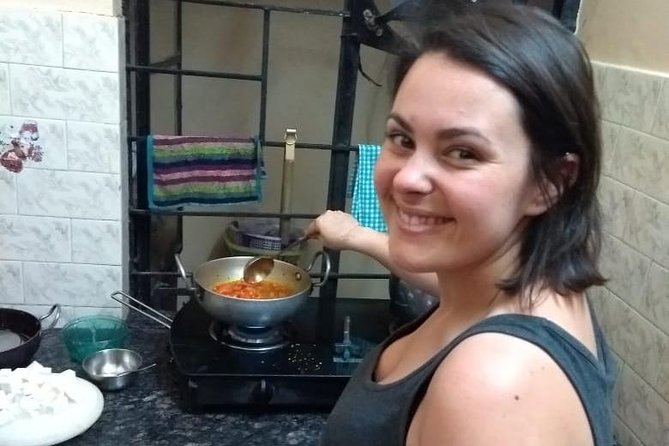
- Pickup and drop-off are included, so you can focus on cooking instead of navigating.
- Small group size (max 8) keeps the kitchen experience from feeling crowded.
- 4 dishes for lunch/dinner and 3 dishes for breakfast makes the class easy to plan around.
- You’ll learn core staples like roti (chapati) plus curries and dessert such as kheer.
- Many hosts operate as a family team (you may meet people beyond the main chef teacher), which adds warmth and conversation.
- You can ask for a dish you want to learn, and the host chef may share contact details for follow-up at home.
Aprons on for another Rajasthani kitchen
- Pink City Cooking Class
★ 5.0 · 452 reviews - Jaipur Market Tour & Vegetarian Rajasthani Home Cooking Class
★ 5.0 · 113 reviews - Cooking Class in Jaipur – Family Experience with Meal & Transport
★ 5.0 · 101 reviews - Interactive Cooking Class with a Local Family in Jaipur
★ 5.0 · 90 reviews
Jaipur Cooking at Home: What This Class Feels Like
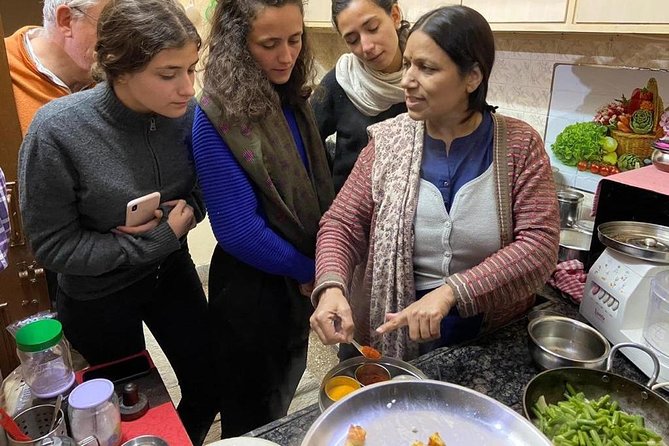
This is the kind of Jaipur experience where you step into a normal home kitchen and learn how everyday meals are built. You’re not just sampling food—you’re making it, from dough or batter work to spice timing.
I like that it’s designed to be hands-on. The setup is small enough that you’re usually doing meaningful tasks rather than only watching.
The atmosphere tends to be welcoming and family-focused. People often talk, explain spices, and make room for questions—so it can feel less like a lesson and more like cooking with a generous host.
And yes, you still get the big payoff: you eat what you made. Dinner or lunch is part of the package, along with beverages, and that matters because you can taste how your own version should come together.
How the 2-Hour Schedule Works (Without the Rush)
The class runs about 2 hours. That time is long enough to learn techniques for dough, chopping, and cooking sauces, but it’s short enough that the menu stays focused.
A typical flow goes like this: you arrive with your driver pickup, meet the chef host in their kitchen, and get a quick run-through of what you’ll cook. Then you work through each dish in order, with step-by-step guidance, until you’re finally sitting down to eat.
Because the program time is tight, it helps to choose what you want to make before you go. If you care most about roti skills, curry sauce texture, or dessert method, you can focus your questions around that.
Menu Choices: Breakfast vs Lunch/Dinner (What You’ll Actually Cook)
This is not one generic menu. You’ll pick a format, and that determines how many dishes you cook and which ones show up.
Lunch and dinner format: cook 4 items
For lunch or dinner, you can expect 4 items. The class commonly includes:
- Roti (chapati) or puri
- Two vegetable dishes (examples include Aloo Pyaaj Sabji, plus a seasonal vegetable)
- Dal Fry (lentils)
- One main curry option, such as Chana Masala or Khoya Paneer, and sometimes options like Bhindi Masala
- Kheer (rice pudding) for dessert
The lineup often lands on the classics: chapati technique, lentil cooking, and a rich curry with creamy or spiced texture. Kheer closes the loop nicely because it’s a very different skill set from savory cooking.
A shortlist worth scanning before you book:

Breakfast format: cook 3 items
If you choose breakfast, the class typically teaches 3 items from a list that can include:
- Masala Tea
- Upma
- Idli
- Poha
- Aloo Paratha
- Vegetable Spring Roll
- Vegetable Cutlet
This breakfast option is great if you want a broader range of Indian home cooking in fewer hours. Tea and a savory starter-style dish pair well for a practical, take-home meal you can recreate later.
You can request a dish
If there’s an Indian dish you’re curious about, you can tell the host before the session. The program notes that the team is happy to teach requested dishes, so it’s worth asking if you have one priority.
The Dishes That Teach You the Most (And Why They Matter)
Cooking class value isn’t just about eating well. It’s about learning a few “building blocks” you can use again and again.
Here’s what the included recipes help you understand:
Roti (chapati) and how simple dough becomes magic
Roti sounds basic, but it teaches real Indian kitchen fundamentals: dough consistency, rolling or stretching technique, and cooking on heat so it puffs or stays soft. Getting roti right is a skill multiplier for everything else on the table.
In many classes, you’ll also see how roti pairs with curries and lentils so the whole meal balances.
Aloo Pyaaj Sabji: potato and onion as a flavor engine
Aloo Pyaaj Sabji is a local favorite because it’s forgiving and deeply flavored. Potatoes soak up spice, and onions bring sweetness and body as they cook down.
This dish is a great first curry because you learn how to build taste step by step rather than relying on a bottled shortcut.
Dal Fry: the comfort-food method
Dal Fry is where you learn how lentils turn from raw to creamy and how tempering and spice layers come together. Even if you’ve cooked lentils before, this kind of structured teaching helps you understand timing and texture.
Chana Masala or Khoya Paneer: two different paths to richness
You might cook Chana Masala (chickpeas in a spiced sauce) or Khoya Paneer (paneer with a rich, creamy profile). Either option teaches you how to handle a thicker sauce and how to keep ingredients tender and flavorful.
If you prefer vegetarian meals that feel special, these dishes deliver.
Kheer: dessert with technique, not just sweetness
Kheer (rice pudding) is sweet, but it’s also a patience dish. Cooking rice to the right softness and working with dairy texture teaches you a completely different rhythm than savory curries.
It’s a smart dessert choice because it’s widely loved and surprisingly doable once you see the process.
Getting Pickup and Transport Right: A Big Part of the Value
Transport is included for pick up and drop off. In Jaipur traffic, that’s not a small detail—it’s the difference between enjoying the evening and worrying about where to meet.
The program is also noted as near public transportation. So even if you need to adjust plans, you’re not stuck far from other options.
There’s also a mobile ticket, which keeps things simple on the day. You don’t want extra stress when you’re about to cook.
Group Size and Participation: What to Expect in the Kitchen
The class caps at 8 travelers. That size usually makes a difference because it’s small enough for the chef host to notice what you’re doing and guide you as you go.
Most hosts make the experience interactive. People often mention being welcomed into the home, given time to ask questions, and walked through steps so they understand not only how, but why.
That said, one potential downside shows up: participation levels can vary. A couple of experiences described situations where cooking time was more limited and guests watched more than they cooked. If hands-on time is your top goal, it’s smart to set that expectation early so the host can plan tasks accordingly.
Hospitality: Clean Kitchens and Real-Home Conversation
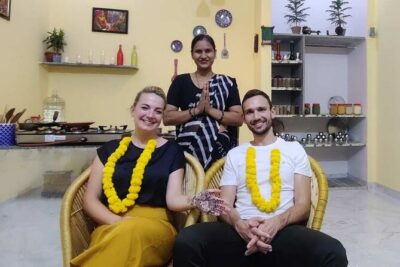
This class tends to feel like you’ve been invited, not enrolled. Hosts are often described as warm, easy to talk with, and focused on making guests comfortable.
Names that show up in the experience include Raveena, Sharda, and Shanda (spelling varies), plus family members like Mama who also help run the kitchen. You may meet more than one person, especially when it’s a family-team setup.
Kitchen cleanliness is a repeated highlight. One guest specifically praised how clean the kitchen was, which matters when you’re preparing food in someone’s home.
If you want a cultural element that doesn’t feel staged, this is where it shows up: conversations about spices, food habits, and techniques that are passed down.
Price and Value: What You Get for Around $30
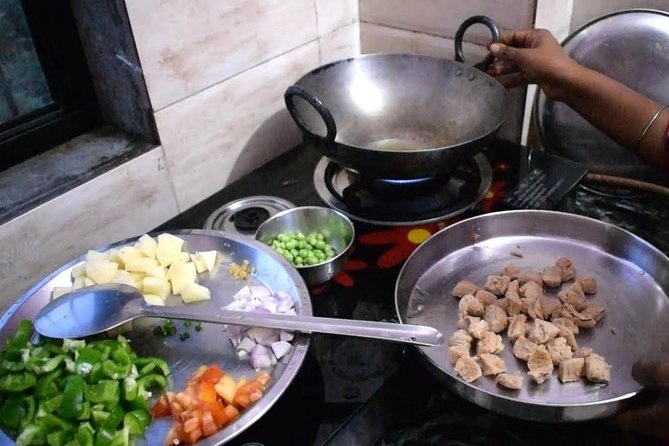
At $29.98 per person, the price is easier to evaluate than it looks on paper. The class bundles several things that cost extra elsewhere: transport, a real home-cooking session, and meals with beverages.
You’re also getting teaching time, not just a meal. Since the class runs about 2 hours and includes a set number of cooked dishes (4 or 3 depending on the format), you can measure value by how many skills you walk away with.
The meal component is not an afterthought. You’re meant to eat your creations afterward, which helps you understand whether your version tastes right and what you’d tweak next time.
One small caution: because the format is compact, you won’t get a full restaurant-style tasting menu of everything. You’ll leave with a handful of dishes mastered, not a buffet of everything you sampled.
Tips, Beverages, and the Little Practical Bits
Beverages are included, and the package notes coffee and/or tea. If you’re choosing breakfast, masala tea may also be part of what you cook.
Tips are not compulsory. The guide suggests tipping the driver around 200 to 500 Rupees for good service. It’s a nice local way to handle the transport piece since you’ll likely work with the same driver for pickup and drop-off.
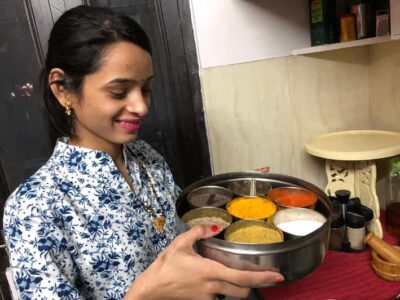
Food requests are welcome. If you’re picky or have a dish in mind, tell the team. This is one of the easiest ways to make the class feel tailored.
Where This Class Really Fits in Your Jaipur Trip
If your Jaipur day is packed with forts, palaces, and markets, this class is a welcome counterweight. It slows you down on purpose and gives you a story you can bring home: recipes, not just photos.
It also works well as either an afternoon reset or an evening food event. Since the program includes meal time, you don’t need to plan dinner afterward.
If you prefer a calm experience over big group tours, the max 8-person size helps. If you want something more social, the home setting and family conversation usually deliver.
Who Should Book This Cooking Class?
This is ideal if you want:
- A home-cooking experience rather than a demo-style class
- Clear dish targets, like roti, dal fry, chana masala, khoya paneer, and kheer
- Transport handled for you
- A small-group kitchen where you can actually participate
It may be less ideal if you’re expecting a long market tour, because this program focuses on cooking at the host house. Also, if you’re the type who wants to cook from scratch for every minute of the session, you should be prepared that the class moves efficiently to cover the set menu.
Should You Book This Cooking Class in Jaipur?
Yes, if you want a practical, recipe-based souvenir and you like learning through your hands. For the money, the combination of pickup, small group size, and a full meal with beverages is a strong deal.
Book it especially if roti and classic curries are what you want to bring home, since the menu centers on repeatable skills you can use again. If you care about maximum hands-on time, message or mention that upfront so the host can plan tasks for you.
And if you’re chasing a big cultural show with lots of stops, this is not that kind of tour. This is a focused kitchen experience. When you want food you can cook later, that focus is the point.
FAQ
How long is the Jaipur cooking class?
The class runs for about 2 hours.
Is pickup and drop-off included?
Yes. Transport for pick up and drop off is included.
What dishes will I cook?
It depends on the class type. For lunch and dinner, you’ll cook 4 items (often including chapati or puri, two vegetable dishes, lentils like dal fry, one curry option such as chana masala or khoya paneer, and kheer). For breakfast, you’ll cook 3 items from options like masala tea, upma, idli, poha, aloo paratha, vegetable spring roll, or vegetable cutlet.
Is the class hands-on?
It’s designed to be hands-on with expert guidance from the chef host.
How many people are in a group?
The maximum is 8 people per booking.
Are beverages and meals included?
Yes. The class includes beverages, and coffee and/or tea. Breakfast, lunch, or dinner is included depending on the class booked.
Are tips included?
Tips are not compulsory. The guidance suggests tipping the driver about 200 to 500 Rupees for good service.
Make a Little Rajasthan to Take Home
- Pink City Cooking Class★ 5.0 · 452 reviews
- Jaipur Market Tour & Vegetarian Rajasthani Home Cooking Class★ 5.0 · 113 reviews
- Interactive Cooking Class with a Local Family in Jaipur★ 5.0 · 90 reviews
- Jaipur: Block Printing Workshop and Hands-on Experience★ 5.0 · 78 reviews
- Hands-on Block Printing Workshop★ 5.0 · 76 reviews
- Jaipur Pink City Cooking Class★ 5.0 · 73 reviews
More Jaipur Tours to Compare
- Jaipur: Private Full Day Sightseeing Tour By Car with Guide★ 4.9 · 1,839 reviews
- 3-Hour Morning Bike Tour of Jaipur★ 5.0 · 1,253 reviews
- Jaipur: Private Sightseeing Day Tour with Guide by Car★ 4.8 · 773 reviews
- Jaipur: Full-Day City Tour with Car, Guide & Skip-the-Line★ 4.8 · 512 reviews
- Full-Day Jaipur Private Sightseeing Tour by Car with Guide★ 5.0 · 472 reviews
- Pink City Cooking Class★ 5.0 · 452 reviews
Cook It Yourself: Rajasthani Classes
- Pink City Cooking Class★ 5.0 · 452 reviews
- Jaipur Market Tour & Vegetarian Rajasthani Home Cooking Class★ 5.0 · 113 reviews
- Interactive Cooking Class with a Local Family in Jaipur★ 5.0 · 90 reviews
- Jaipur Pink City Cooking Class★ 5.0 · 73 reviews
- Indian Traditional Hands On Cooking Classes with local Family★ 5.0 · 69 reviews
- Jaipur: Interactive Cooking Class with a Local Family★ 4.9 · 58 reviews
Newly Added Jaipur Reviews





More from Jaipur Cooking Classes.
 ★ 5.0Pink City Cooking ClassFrom $27452 reviews
 ★ 5.0Jaipur Market Tour & Vegetarian Rajasthani Home Cooking ClassFrom $60113 reviews
 ★ 5.0Interactive Cooking Class with a Local Family in JaipurFrom $2690 reviews
 ★ 5.0Jaipur Pink City Cooking ClassFrom $2073 reviews
 ★ 5.0Indian Traditional Hands On Cooking Classes with local FamilyFrom $6469 reviews
 ★ 4.9Interactive Cooking Class with a Local FamilyFrom $2458 reviews
 ★ 5.0Traditional cooking class and storytelling sessionFrom $2748 reviews
 ★ 5.0Indian Cooking Class with Local Family in JaipurFrom $2234 reviews
This tour also appears in