
Reviewed · WORKSHOPS
Natural Dyeing and Shibori Half Day Workshop
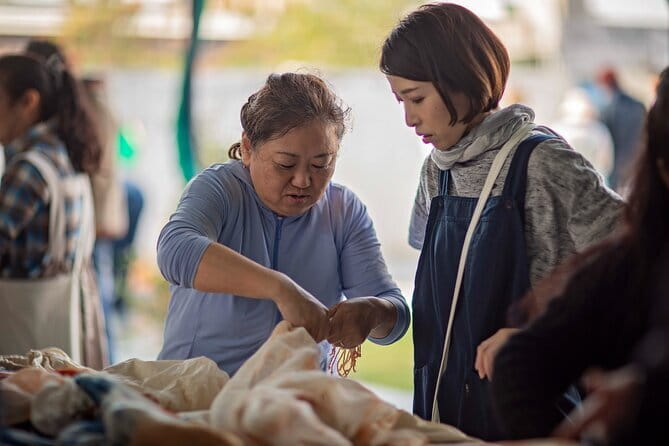
Color comes from plants, not chemicals. In Jaipur, this natural dyeing workshop teaches plant-based color work plus shibori tie-dye and block printing in a clear, practical way. I really like the hands-on structure and the calm, professional teaching style that helps you get beautiful results. The only real consideration is that natural dye work can get messy and you’ll likely be on your feet, so comfortable shoes matter.
You also get a proper take-home package, not just photos. You’ll leave with a chosen organic cotton garment (like a scarf, dress, shorts, placemat, or cushion cover), an organic cotton bag, and four natural dye packs (50 grams each). You can even bring extra fabric to dye during the workshop—just know that added fabric can mean more time and more splashy fun.
In This Review
- Key Highlights Worth Noticing
- Color Comes to Life in Jaipur (3.5 Hours, Real Techniques)
- Natural Dyeing Fundamentals: Turning Plants Into Your Color Palette
- Shibori Tie-Dye + Block Printing: Pattern Skills You Can Reuse
- Your Take-Home Kit: Garment Choice and Dye Packs That Extend the Workshop
- Mess, Timing, and Weather: What to Plan for Natural Dye Day
- Price and Value: Is $190 Worth It for Jaipur Natural Dye Skills?
- Who Should Book This Workshop (and Who Might Want to Skip)
- Should You Book Natural Dyeing and Shibori in Jaipur?
- FAQ
- How long is the Natural Dyeing and Shibori workshop in Jaipur?
- Where does the workshop start and end?
- What is included in the price?
- What garment options can I choose for the takeaway?
- Can I bring my own fabric to dye?
- What techniques are taught during the class?
- Do I need to bring food or drinks?
- What should I wear?
- What happens if the weather is poor?
- Is free cancellation available?
Key Highlights Worth Noticing
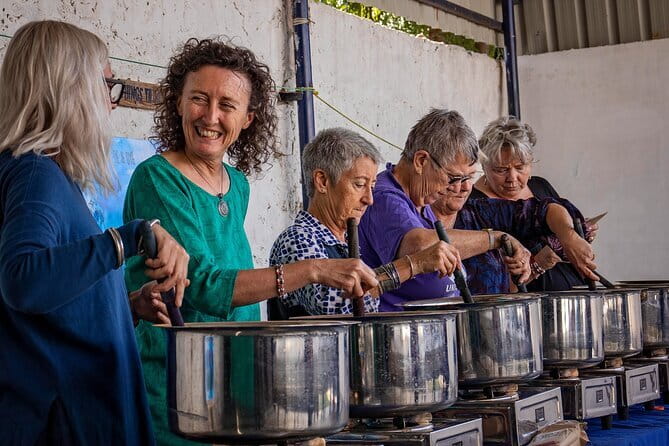
- Plant-based color extraction for real shades like yellows, orange, brown, pink, blue, red, and greens
- Shibori tie-dye + block printing in one session, so you compare methods back to back
- Take-home results you keep and can rework, with a garment plus 4 dye packs (50g each)
- You can bring your own extra fabric, which is great if you’re planning a small wardrobe upgrade
- Indigo dyeing and Jaipur pink get special attention, based on what students learn and mention
- Snacks and tea are included, so the break feels built-in, not tacked on
A shortlist worth scanning before you book:
- Pink City Cooking Class
★ 5.0 · 452 reviews - Jaipur Market Tour & Vegetarian Rajasthani Home Cooking Class
★ 5.0 · 113 reviews - Cooking Class in Jaipur – Family Experience with Meal & Transport
★ 5.0 · 101 reviews - Interactive Cooking Class with a Local Family in Jaipur
★ 5.0 · 90 reviews
Color Comes to Life in Jaipur (3.5 Hours, Real Techniques)
This is a half-day workshop designed for your hands, not just your head. The timing is about 3 hours 30 minutes, and it runs daily between 10:00 AM and 5:00 PM. You start and finish back at the meeting point in Kokawas, Rajasthan (near QQ7J+M27), so you’re not guessing your way across town for hours.
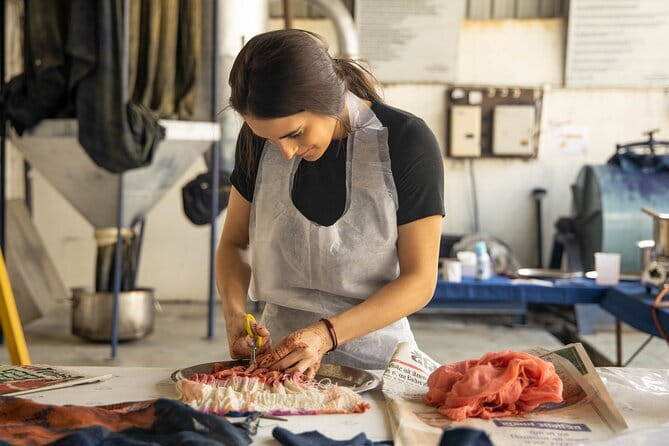
What makes the schedule work is that it’s paced in segments. You’re not stuck watching one long demonstration. You move through natural dye basics first, then shibori tie-dye and block printing, then a DIY portion where you apply what you learned. That flow helps a lot if you’re new to dyeing, because you get early wins before you try bolder pattern work.
I also like that the class is described as professional and organized, with a kind and patient team. The difference is huge in hands-on craft work: when you’re learning how dyes behave on cloth, clear guidance prevents wasted batches and frustration.
One more practical note: the workshop can get tiring at times, and you’ll want comfortable shoes. If you’re the type who hates getting dye stains on your fingers and sleeves, plan to dress like you’re working on an art project.
Natural Dyeing Fundamentals: Turning Plants Into Your Color Palette
The first segment is all about natural dyeing fundamentals—history and the basics of how colors exist in nature and transfer to fabric. You’ll learn about natural colors and the practical side of extracting shades by soaking materials. It’s not chemistry-heavy. It’s more like: here’s what natural dyes do, here’s how to handle them, and here’s how to get consistent-looking results.
A standout promise here is the color range. You’re guided through techniques that cover yellows, orange, brown, pink, blue, red, and greens. Even if you don’t remember every step perfectly, learning how to think in terms of shade families is useful. You start to see that natural dye results aren’t random. They’re guided by the dye source, preparation, and handling.
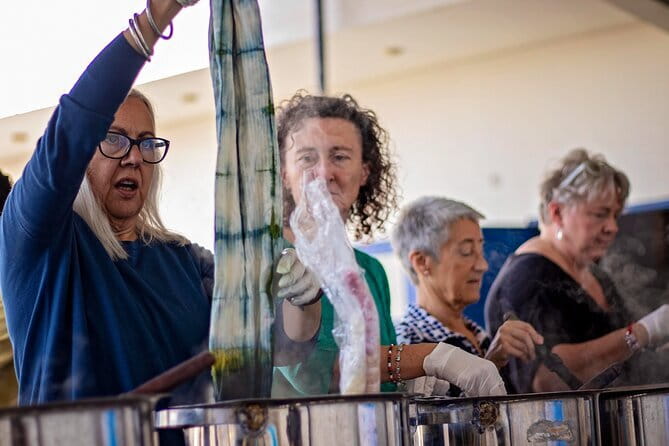
Based on what students emphasize, there’s real teaching around indigo dyeing—often described as magic when you see the transformation. Indigo can feel intimidating in craft circles, so having it as a named highlight matters. You also hear about Jaipur pink specifically, which suggests the class pays attention to local color traditions and methods rather than only generic tie-dye patterns.
What you should take seriously: natural dye can be slower and more sensitive than synthetic dye. That’s not a downside—it’s the point. The skills you build are the ones that let you reproduce results later when you’re not in a classroom setup.
Shibori Tie-Dye + Block Printing: Pattern Skills You Can Reuse
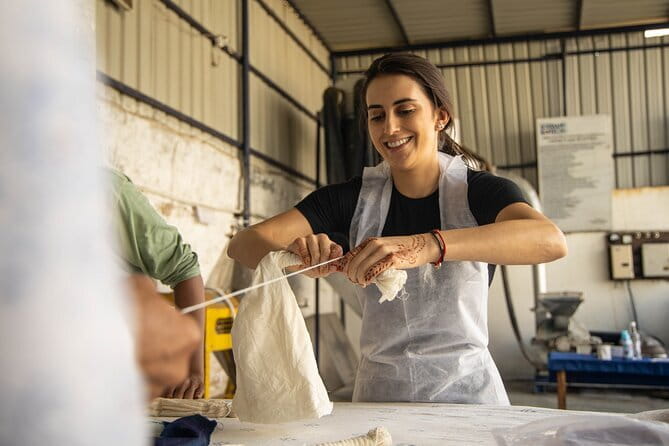
After the natural dyeing basics, the workshop moves into pattern-making. The shibori tie-dye segment focuses on how folding, tying, and resisting dye can create striking contrasts. Shibori is one of those techniques where a tiny change in how you bind fabric can shift the whole look, so the workshop structure helps—you get the technique, then you build confidence.
Then comes block printing. This is where craft meets design. You learn how stamps and patterned blocks translate directly to fabric surfaces, and you get a chance to combine outcomes from different approaches across the session.
This matters for two reasons. First, it makes the workshop more fun: you’re not doing one method over and over. Second, it turns a one-off souvenir into something you can replicate. When you understand shibori resistance and block transfer, you can plan new pattern combos later—especially if you bring extra fabric next time or keep experimenting with your take-home dye packs.
And yes, dye work can feel chaotic in the moment. That’s normal. The key is that the instruction is described as professional and thorough, with a team that’s patient while you figure out what your fabric is doing. When you get that kind of guidance, your results usually look intentional instead of accidental.
Your Take-Home Kit: Garment Choice and Dye Packs That Extend the Workshop

A big part of the value here is that you’re not leaving empty-handed. You get an organic cotton garment to take home, and you can select what you dye from options including a scarf, dress, shorts, placemat, or cushion cover. That selection flexibility is practical: you can choose something you’ll actually use, and you don’t have to guess what will look good after dyeing.
You also receive an organic cotton bag for takeaway. That might sound small, but it’s a nice touch because dyed textiles need careful handling during transport. You’re also given bottled water and snacks, including Indian tea and cookies, which helps keep the session comfortable without needing to stop for food.
Then there’s the part that turns this into a real craft investment: 4 natural dye packs, each 50 grams, included as takeaway. This is important because natural dye projects aren’t just one craft act; they’re repeatable. Those dye packs let you try again at home with your own cloth. If you’re the type who likes having the option to experiment, this is where the workshop keeps paying off after you leave Jaipur.
You can even bring more fabric during the workshop. If you’ve got a shirt, scarf, or cushion cover you don’t mind changing, do it. Your take-home kit plus extra fabric means you’re not just making one item—you’re building a small, personal dye library.



Mess, Timing, and Weather: What to Plan for Natural Dye Day
Natural dyes work best when conditions are stable, and this workshop specifically requires good weather. If poor weather cancels the session, you’ll be offered a different date or a full refund. That’s a good policy because it protects the quality of your results rather than forcing dye work through bad conditions.
Still, you should plan for the reality of dyeing: you’ll likely get splattered, and you’ll be working with hands-on materials. Wear clothes you’re okay with staining, and choose comfortable shoes because the session can be physically tiring at times.
One more practical thought: dyeing is slower than you might expect. Even though you’re only there about 3.5 hours, the class is built around processes that naturally take time. The goal is that you finish with something you can take home, but your longer-term success will depend on how you treat the finished textiles after the workshop. Treat them gently at first, and follow any care guidance you’re given during the session.
Price and Value: Is $190 Worth It for Jaipur Natural Dye Skills?
At $190 per person for roughly 3.5 hours, this isn’t the cheapest craft activity in Jaipur. But it’s also not priced like a quick demo. You’re paying for guided instruction, structured hands-on work across multiple dye methods, and a take-home textile plus real dye materials.
Here’s how the value stacks up:
- You leave with a dyed organic cotton garment of your choice (so you’re not just buying a class ticket).
- You get four 50-gram natural dye packs, which gives you follow-up value at home.
- You’re provided snacks and tea, which reduces the need to budget for downtime.
- You can bring extra fabric, which makes the day more flexible for people who want to do more than one item.
It’s also described as a private tour/activity. Only your group participates, which usually means you get more attention during the steps that matter—especially when everyone’s fabric behaves slightly differently.
If you’re coming for photos only, this might feel pricey. If you want practical skills—shibori pattern thinking, block printing basics, and natural dye handling—this price starts to look fair fast.
Who Should Book This Workshop (and Who Might Want to Skip)

This workshop is a great fit if you want tangible skills and not just a souvenir. It’s especially good for people who like eco-friendly crafting and want to learn how natural colors behave on cotton.
It also works well if you enjoy structured creative projects. The session is divided into natural dyeing, shibori tie-dye and block printing, plus a DIY portion, so you’re not stuck doing one task for hours.
You might want to skip or reconsider if you:
- are very sensitive about getting messy (natural dye can stain)
- hate hands-on learning and prefer watching
- can’t handle basic standing and working movement (comfortable shoes are advised)
- are traveling with no flexibility for weather changes (good weather is required)
On the other hand, if you want something meaningful in Jaipur that feels local and practical, this ticks a lot of boxes.
Should You Book Natural Dyeing and Shibori in Jaipur?
I’d book it if you want a real, hands-on craft experience where you leave with a garment plus dye materials you can use again. The strongest reasons to choose it are the method variety—natural dyeing, shibori, and block printing—and the take-home kit that extends the workshop beyond the day you attend.
If your main goal is a quick, low-effort activity, you’ll probably feel the time cost. But if you’re excited by the idea of plant-based color, and you like seeing results that look crafted rather than mass-produced, this is the kind of Jaipur experience that can genuinely stick with you.
FAQ
How long is the Natural Dyeing and Shibori workshop in Jaipur?
It lasts about 3 hours 30 minutes.
Where does the workshop start and end?
It starts at QQ7J+M27 Kokawas, Rajasthan, India and ends back at the same meeting point.
What is included in the price?
You get 4 natural dye packs (50 grams each), an organic cotton garment to take home (you select from options), an organic cotton bag, bottled water, snacks, and Indian tea and cookies.
What garment options can I choose for the takeaway?
The takeaway garment can be a scarf, dress, shorts, placemat, or cushion cover.
Can I bring my own fabric to dye?
Yes. You can bring as much fabric and garments as you want to dye during the workshop.
What techniques are taught during the class?
The workshop includes natural dyeing fundamentals, shibori tie-dye, block printing, and a DIY portion.
Do I need to bring food or drinks?
No. Bottled water and snacks (Indian tea and cookies) are included.
What should I wear?
Wear comfortable shoes, since the session might get tiring at times.
What happens if the weather is poor?
The experience requires good weather. If it’s canceled due to poor weather, you’ll be offered a different date or a full refund.
Is free cancellation available?
Yes. You can cancel up to 24 hours in advance for a full refund.
Make a Little Rajasthan to Take Home
- Pink City Cooking Class★ 5.0 · 452 reviews
- Jaipur Market Tour & Vegetarian Rajasthani Home Cooking Class★ 5.0 · 113 reviews
- Cooking Class in Jaipur – Family Experience with Meal & Transport★ 5.0 · 101 reviews
- Interactive Cooking Class with a Local Family in Jaipur★ 5.0 · 90 reviews
- Jaipur: Block Printing Workshop and Hands-on Experience★ 5.0 · 78 reviews
- Hands-on Block Printing Workshop★ 5.0 · 76 reviews
More Jaipur Tours to Compare
- Jaipur: Private Full Day Sightseeing Tour By Car with Guide★ 4.9 · 1,839 reviews
- 3-Hour Morning Bike Tour of Jaipur★ 5.0 · 1,253 reviews
- Jaipur: Private Sightseeing Day Tour with Guide by Car★ 4.8 · 773 reviews
- Jaipur: Full-Day City Tour with Car, Guide & Skip-the-Line★ 4.8 · 512 reviews
- Full-Day Jaipur Private Sightseeing Tour by Car with Guide★ 5.0 · 472 reviews
- Pink City Cooking Class★ 5.0 · 452 reviews
Newly Added Jaipur Reviews



More from Workshops.
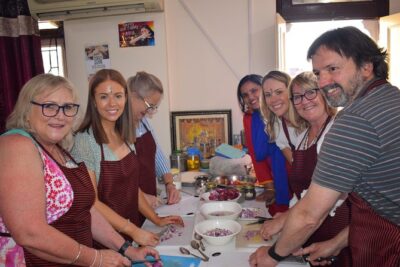 ★ 5.0Pink City Cooking ClassFrom $27452 reviews
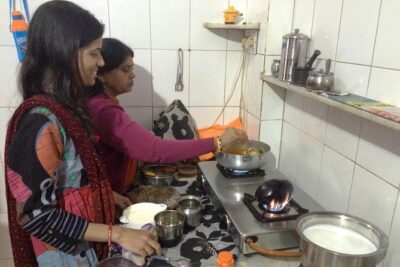 ★ 5.0Jaipur Market Tour & Vegetarian Rajasthani Home Cooking ClassFrom $60113 reviews
 ★ 5.0Cooking Class in Jaipur – Family Experience with Meal & TransportFrom $29101 reviews
 ★ 5.0Interactive Cooking Class with a Local Family in JaipurFrom $2690 reviews
 ★ 5.0Block Printing Workshop and Hands-on ExperienceFrom $3578 reviews
 ★ 5.0Hands-on Block Printing WorkshopFrom $2576 reviews
 ★ 5.0Jaipur Pink City Cooking ClassFrom $2073 reviews
 ★ 5.0Indian Traditional Hands On Cooking Classes with local FamilyFrom $6469 reviews
This tour also appears in