
Reviewed · JAIPUR COOKING CLASSES
Kitchen is Yours Cooking class in Jaipur with Pickup & Drop
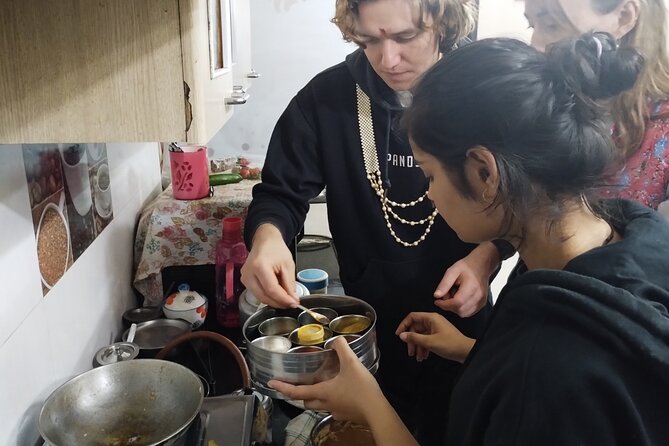
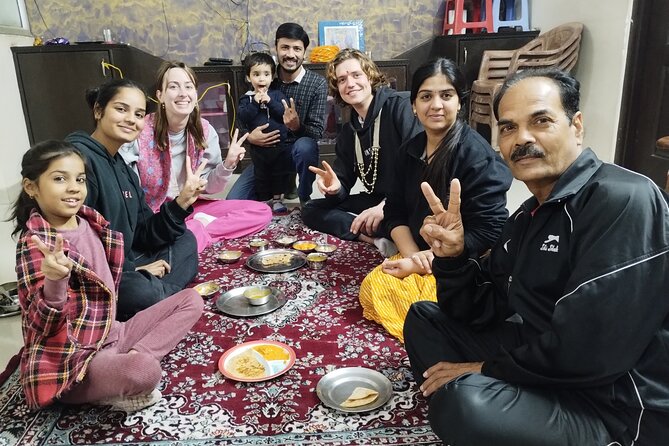
A real Jaipur home cooking class beats another museum afternoon. You’ll be welcomed into a kitchen set-up (hosted by Rohit and his mum), sip something warm, then learn hands-on Indian dishes you can actually remake at home.
The class is also built around food you’ll get to eat, not just watch, with a proper meal included. One thing to keep in mind: the menu can change by season, so if you have restrictions, you’ll want to message them early.
I like the way the session walks you from basics to variety: breads like chapati/roti, legumes like dal, and comfort dishes like paneer. You’ll also learn the sweet side (think kheer and halwa) and finish with a chance to ask questions about flavor and ingredients.
A small consideration: the experience runs as a private class for a group of up to six, so availability is tied to that schedule and the home-style setup.
In This Review
- Key highlights you’ll care about
- Entering a Jaipur home kitchen (and how the welcome sets the tone)
- What you’ll learn to cook: chapati, dal, paneer sabji, and more
- The chai lesson: masala tea you can make again
- Eat what you make: lunch and dinner included
- Transport and timing: how the day stays stress-free
- Group size: private class for up to six people
- Menu changes by season: how to plan around it
- Price and value: why this $31.77 class can be a bargain
- Who should book this cooking class (and who might skip it)
- Should you book Kitchen is Yours Cooking class in Jaipur?
- FAQ
- How long is the Jaipur cooking class?
- Does the experience include pickup and drop-off?
- What meals are included?
- What dishes will I learn to cook?
- Is this a private class?
- What if I have dietary restrictions or allergies?
- What’s the cancellation policy?
Key highlights you’ll care about
- Pickup and drop so you don’t lose time threading taxis in Jaipur
- Private group (up to 6) for more attention while you cook
- Chai and kitchen welcome right at the start, not an afterthought
- Learn multiple dishes like chapati, dal, paneer sabji, kheer, and halwa
- Eat what you make with lunch and dinner included
- Seasonal menu flexibility means you should confirm dietary needs early
Aprons on for another Rajasthani kitchen
- Pink City Cooking Class
★ 5.0 · 452 reviews - Jaipur Market Tour & Vegetarian Rajasthani Home Cooking Class
★ 5.0 · 113 reviews - Cooking Class in Jaipur – Family Experience with Meal & Transport
★ 5.0 · 101 reviews - Interactive Cooking Class with a Local Family in Jaipur
★ 5.0 · 90 reviews
Entering a Jaipur home kitchen (and how the welcome sets the tone)
This class starts the way a good food day should: you get picked up, then you arrive to a home kitchen welcome. Expect a traditional drink first—choices listed include chai or lemon water—so you’re in the right mood before anyone hands you ingredients.
After that initial greeting, you’re introduced to the Indian kitchen environment and how Indian cuisine fits together. The format isn’t just recipe recitation. It’s an orientation to the way different dishes share techniques and flavors, even when they look totally different on the plate.
Why this matters for you: when you cook at home later, you’ll have a mental map. You won’t just remember a list of ingredients—you’ll understand how the pieces connect.
What you’ll learn to cook: chapati, dal, paneer sabji, and more
The cooking part is where the value lives. In roughly a 3-hour session, you’re taught to make a set of popular Indian dishes, with the menu designed around typical regional variety. You can expect instruction on:
- Chapati (roti)
- Seasonal vegetable dishes
- Dal (lentils)
- Paneer sabji (cottage cheese curry)
- Kheer (rice pudding)
- Halwa (semolina pudding)
- Dal & baati (noted as part of what you may be taught)
A few practical points that help you get more out of it:
First, don’t worry about speed. Home cooking is slower than TV cooking. The goal here is correct technique and repeatable results, not a frantic assembly line.
Second, pay attention to how dishes relate to each other. Dal and paneer sabji both rely on similar logic—spices, cooking method, and building flavor—so once you understand that base, the rest clicks faster.
Third, the class treats the meal like a whole experience. You’re not only making mains. You’re also learning sweets like kheer and halwa, which is a big deal if you’ve only tried Indian desserts at restaurants.
The chai lesson: masala tea you can make again
Masala tea is one of those skills that sounds simple until you’ve tried to copy it at home. This class specifically teaches you how to make masala tea (chai), and that alone is a great souvenir you can actually use.
You’ll get instruction during the class, and you’ll also have time to ask questions about flavor and ingredients. That Q&A matters because the best chai often comes down to small adjustments—what you choose, when you add it, and how you balance the taste.
If you’re the type who brings home spices but never uses them, this helps change that. You’ll know what “good” tastes like and how to steer it.
Eat what you make: lunch and dinner included
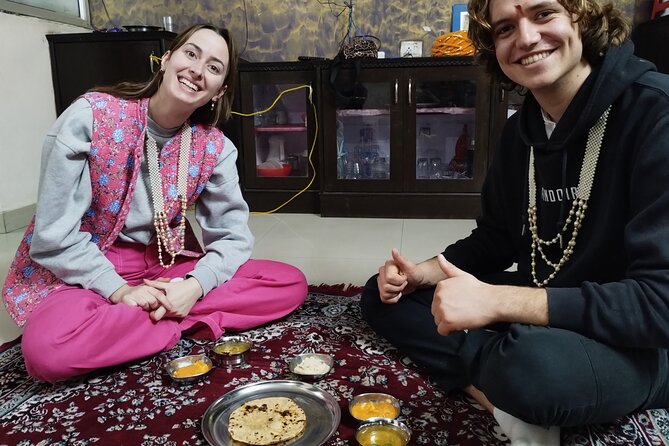
This isn’t a snack class where the cooking happens and the food vanishes. You’ll eat your delicious food made by you, and meals are included.
The included food list shows lunch and dinner, plus coffee and/or tea. That turns the day into a complete experience. You’ll cook, then sit down and eat what you produced with your own hands.
Why that’s so satisfying: Indian cooking isn’t just about following steps; it’s about seasoning and timing. Getting to taste right after learning helps you connect cause and effect. If a dish tastes a certain way, you’ll remember what you did that led to it.
Also, eating in a home setting is usually where you learn the small cultural bits that don’t show up in a cookbook. Even basic conversation can teach you what people value—comfort, spice balance, and the difference between everyday and celebratory food.
A shortlist worth scanning before you book:

Transport and timing: how the day stays stress-free
This is one of those Jaipur activities that can either be a hassle or a pleasure. Here, it’s handled for you. The package includes transport for pick up & drop off, and it runs during generous hours listed as Monday–Sunday, 10:00 AM to 7:00 PM.
A few practical benefits of having pickup/drop:
You won’t have to negotiate rides mid-afternoon.
You’ll arrive at the home kitchen with time to settle, not hungry and flustered.
You can plan the rest of your Jaipur day around a smooth 3-hour block.
If you’re trying to fit experiences between sightseeing, this is the kind of class that saves your energy. You’ll spend less time moving and more time learning.
Group size: private class for up to six people
You’ll have a private tour/activity, with a maximum of 6 travelers. That small size is important in a cooking class.
When the group is tiny, you can ask questions without waiting, and the instructor can correct mistakes. It also makes it easier to share equipment and cooking space without feeling like you’re elbow-to-elbow in a studio.
If you’re traveling with a friend or a small group, this setup is ideal. If you’re solo, it can still work well because you’ll be grouped only within the private size limit, not mixed into a huge crowd.
Menu changes by season: how to plan around it
The class notes that the menu may vary depending on the season. That’s not a red flag—it’s usually a sign the kitchen is using what’s fresh and available.
Still, it affects expectations. If you’re hoping for a specific dish, treat the listed dishes as the standard range, not a guarantee every single time.
For safety and enjoyment, you should do two things:
Tell them about any allergies or dietary restrictions when you book.
Mention any cooking preferences up front, so they can adjust what’s taught and served.
If you’ve ever had a meal in India that totally changed with what was in season, you already understand why this can be a plus. The core techniques remain the same, and the flavors stay tied to real ingredients.
Price and value: why this $31.77 class can be a bargain
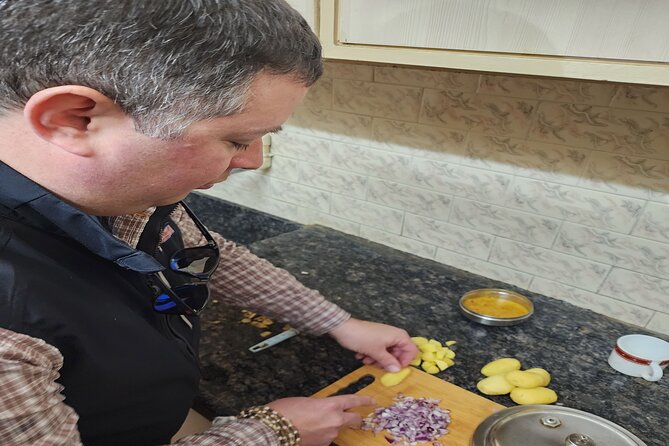
At $31.77 per person for about 3 hours, this is priced like a smaller experience, but it includes a lot of tangible value. You’re not just paying for instruction. You’re also paying for:
- Lunch and dinner
- Coffee and/or tea
- Pickup and drop
- Cooking class and meals plus taxes and fees
In practical terms, the “cheap” part isn’t the key. The value is that you’re getting multiple costs bundled together: transportation, food, and guided teaching.
If you’ve ever bought a standalone food tour and then paid for meals afterward, this format can feel like a smarter use of time. You’re also leaving with skills, not only photos.
And the private group size helps justify the price. You’re paying for a personal, kitchen-based lesson—not a crowded show.
Who should book this cooking class (and who might skip it)
I think this is best for you if:
You like hands-on travel, not just looking.
You want to learn a few staple techniques (roti/chapati, dal, paneer style cooking) plus sweets like kheer and halwa.
You’d rather spend money on a meal you helped create.
It may not be your best match if:
You only want one dish and nothing else. This class covers a range, so it’s more satisfying when you’re open to learning multiple items.
You’re short on time and can’t fit a 3-hour home session into your day. The experience is designed as one block.
Should you book Kitchen is Yours Cooking class in Jaipur?
Yes, if you want a real cooking experience with pickup/drop, small-group attention, and meals included. The biggest win is that you learn and then eat what you make, which turns the class from a hobby into a full Jaipur memory.
Before you book, message them about allergies and dietary needs right away. Also, be flexible about the exact menu since it can shift with the season. If you come with curiosity and a willingness to taste your way through the lesson, this is the kind of activity that sticks with you long after the spice smell fades.
FAQ
How long is the Jaipur cooking class?
The cooking class runs for about 3 hours.
Does the experience include pickup and drop-off?
Yes. Transport for pick up & drop off is included.
What meals are included?
Lunch and dinner are included, along with coffee and/or tea.
What dishes will I learn to cook?
You’ll be taught dishes such as chapati (roti), seasonal vegetable dishes, dal (lentils), paneer sabji, kheer, halwa, and dal & baati. The menu can vary by season.
Is this a private class?
Yes. It’s a private activity for your group only, with a maximum of 6 travelers per booking.
What if I have dietary restrictions or allergies?
You should advise them at booking. The experience also notes that you need to inform them about any allergies, restrictions, or cooking preferences.
What’s the cancellation policy?
Free cancellation is available up to 24 hours in advance for a full refund. The experience also depends on good weather, and you’ll be offered a different date or a full refund if it’s canceled due to poor weather.
Make a Little Rajasthan to Take Home
- Pink City Cooking Class★ 5.0 · 452 reviews
- Jaipur Market Tour & Vegetarian Rajasthani Home Cooking Class★ 5.0 · 113 reviews
- Cooking Class in Jaipur – Family Experience with Meal & Transport★ 5.0 · 101 reviews
- Interactive Cooking Class with a Local Family in Jaipur★ 5.0 · 90 reviews
- Jaipur: Block Printing Workshop and Hands-on Experience★ 5.0 · 78 reviews
- Hands-on Block Printing Workshop★ 5.0 · 76 reviews
More Jaipur Tours to Compare
- Jaipur: Private Full Day Sightseeing Tour By Car with Guide★ 4.9 · 1,839 reviews
- 3-Hour Morning Bike Tour of Jaipur★ 5.0 · 1,253 reviews
- Jaipur: Private Sightseeing Day Tour with Guide by Car★ 4.8 · 773 reviews
- Jaipur: Full-Day City Tour with Car, Guide & Skip-the-Line★ 4.8 · 512 reviews
- Full-Day Jaipur Private Sightseeing Tour by Car with Guide★ 5.0 · 472 reviews
- Pink City Cooking Class★ 5.0 · 452 reviews
Cook It Yourself: Rajasthani Classes
- Pink City Cooking Class★ 5.0 · 452 reviews
- Jaipur Market Tour & Vegetarian Rajasthani Home Cooking Class★ 5.0 · 113 reviews
- Cooking Class in Jaipur – Family Experience with Meal & Transport★ 5.0 · 101 reviews
- Interactive Cooking Class with a Local Family in Jaipur★ 5.0 · 90 reviews
- Jaipur Pink City Cooking Class★ 5.0 · 73 reviews
- Indian Traditional Hands On Cooking Classes with local Family★ 5.0 · 69 reviews
Newly Added Jaipur Reviews





More from Jaipur Cooking Classes.
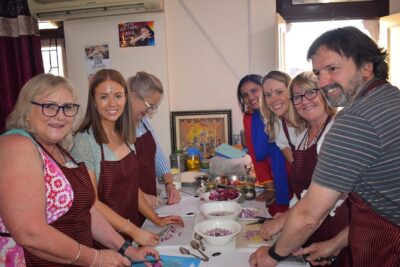 ★ 5.0Pink City Cooking ClassFrom $27452 reviews
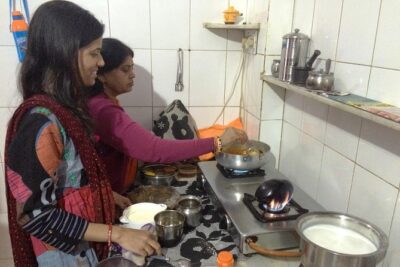 ★ 5.0Jaipur Market Tour & Vegetarian Rajasthani Home Cooking ClassFrom $60113 reviews
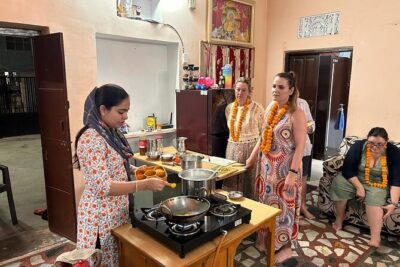 ★ 5.0Cooking Class in Jaipur – Family Experience with Meal & TransportFrom $29101 reviews
 ★ 5.0Interactive Cooking Class with a Local Family in JaipurFrom $2690 reviews
 ★ 5.0Jaipur Pink City Cooking ClassFrom $2073 reviews
 ★ 5.0Indian Traditional Hands On Cooking Classes with local FamilyFrom $6469 reviews
 ★ 4.9Interactive Cooking Class with a Local FamilyFrom $2458 reviews
 ★ 5.0Traditional cooking class and storytelling sessionFrom $2748 reviews
This tour also appears in