
Reviewed · JAIPUR COOKING CLASSES
Jaipur: Cooking Class with a Local Family
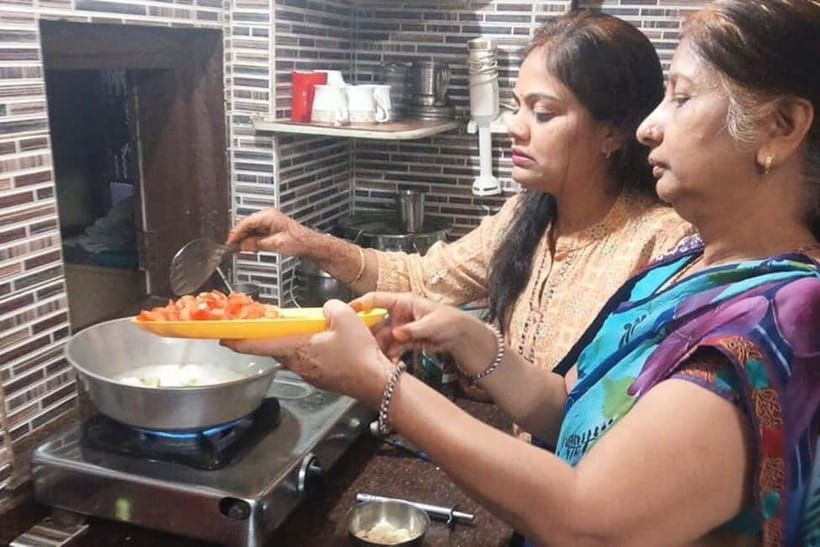
You eat first, then you learn why. This Jaipur cooking class in a local family home turns a simple meal into a hands-on lesson on Rajasthan flavors, from spice purpose to technique. You’ll spend about 3 hours in the Pink City with a host family where you can talk food, culture, and daily life, not just recipes.
I especially liked two things. First, the class is truly hands-on, with you making items like chapatis and vegetable curries rather than just watching. Second, the host family shows dietary flexibility, including gluten-free menus and accommodations for allergies and intolerances when possible.
One drawback to consider: transport isn’t included, so plan your own ride or walk to the meeting point. Also, since it’s a home setting, you’ll want to arrive on time and follow the family’s kitchen flow.
In This Review
- Key things I’d circle in your planning
- Welcome to a Jaipur Home: Why This Cooking Class Feels Personal
- Getting Started With Chai and Kitchen Conversation
- Spice School in Practice: Understanding What Each Ingredient Does
- Your Hands-On Menu: Chapatis and Vegetable Curries You’ll Actually Repeat
- Rajasthan Staples You Might Learn: Dal Baati, Ker Sangri, and the Flavors of the Region
- The Meal Part: Dessert, Homemade Touches, and Why It Matters
- Cultural Exchange Beyond the Recipes: Family Photos, Henna, and Everyday Jaipur
- What You Get to Take Home: E-Recipes That Make This More Than a One-Off
- Price and Logistics: Is $19 Good Value for Jaipur?
- Who This Class Is Perfect For (and Who Might Prefer Something Else)
- FAQ
- FAQ
- How long is the Jaipur cooking class?
- What does the class cost?
- What dishes will I cook?
- What’s included in the price?
- What’s not included?
- Where do I meet the host?
- Is there a limit on group size?
- What languages are used during the class?
- Is this experience accessible?
- Final Verdict: Should You Book This Jaipur Cooking Class?
Key things I’d circle in your planning
- Small group (up to 6) keeps questions practical and easy
- You can often choose your dishes, based on what you like
- Chai first, then spice and ingredient stories that actually help you cook
- Hands-on chapatis and curries, plus Rajasthan staples you may learn
- E-recipes after class so you can recreate the meal at home
- Dietary needs can be supported, including gluten-free options
Aprons on for another Rajasthani kitchen
- Pink City Cooking Class
★ 5.0 · 452 reviews - Jaipur Market Tour & Vegetarian Rajasthani Home Cooking Class
★ 5.0 · 113 reviews - Cooking Class in Jaipur – Family Experience with Meal & Transport
★ 5.0 · 101 reviews - Interactive Cooking Class with a Local Family in Jaipur
★ 5.0 · 90 reviews
Welcome to a Jaipur Home: Why This Cooking Class Feels Personal
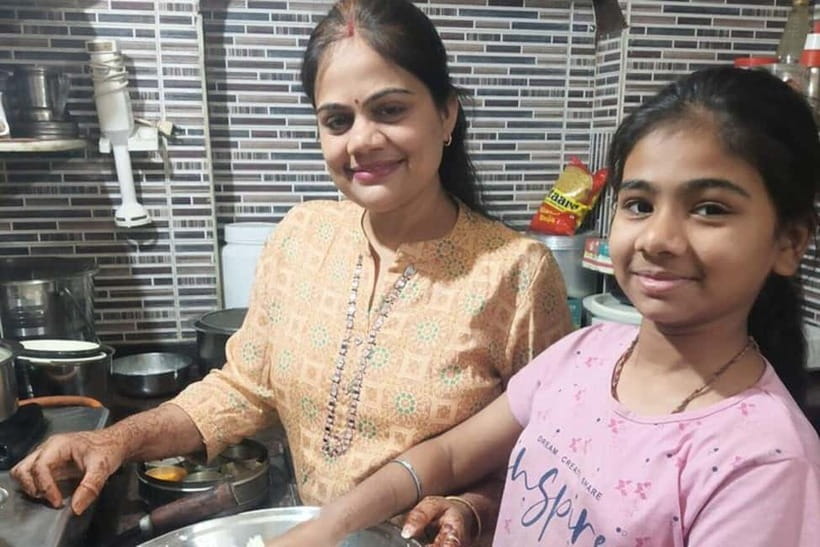
This isn’t a factory-style food show. You’re stepping into a real Jaipur household where cooking is a daily skill, and the lesson comes wrapped in normal family hospitality. That’s what makes it different from most cooking classes: you’re not just collecting flavors, you’re learning how the family thinks about them.
You’ll likely start with a welcome drink and a relaxed chat, then move into cooking with the people who actually make this food. Even the tone is more personal than formal, like you’re visiting someone who enjoys teaching.
The big payoff for you is confidence. Once you understand why a spice goes in at a certain point, it’s easier to repeat the results later without guessing.
Getting Started With Chai and Kitchen Conversation
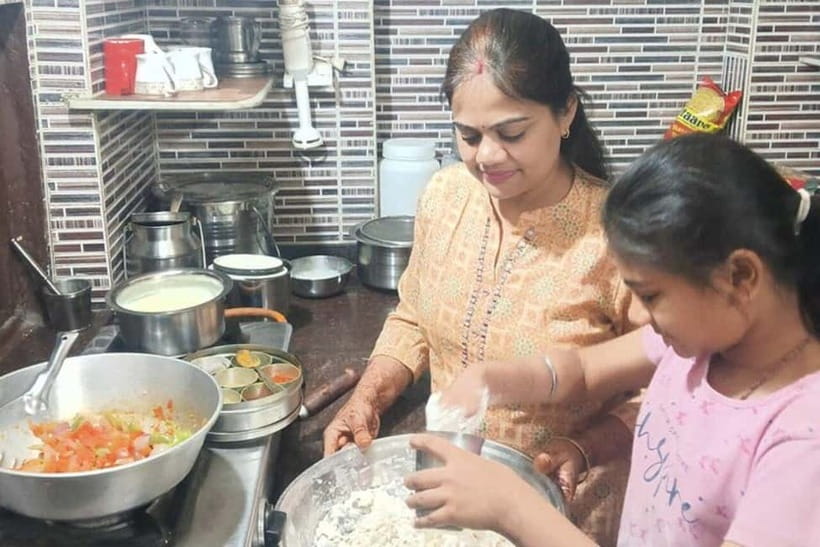
The class often begins with masala chai. You get to make it to your taste, then sit down briefly and talk before you pick up the rolling pin. That first step matters because it sets the rhythm: expect conversation, not just instructions.
Then the host introduces Indian spices and ingredients in a way that connects to the food you’ll cook. You’ll hear what certain spices are doing in a dish and why the sequence matters. It’s the kind of explanation that sticks because it’s tied to what you’re about to do with your hands.
In the kitchen, you’ll see a clean, organized setup and get safety-minded guidance. One detail I appreciated from past guests: the family takes care with safe cooking habits, including using mineral water for cooking.
Spice School in Practice: Understanding What Each Ingredient Does
Here’s the practical truth about Indian cooking: the same ingredients can taste totally different depending on timing and heat. This class teaches you the logic behind that, not just the ingredient list.
You’ll spend time on:
- What spices smell like and what they contribute
- How to balance aromatics with heat and seasoning
- How to build flavors step by step, rather than dumping everything at once
Once you understand that idea, even familiar dishes become clearer. For example, cumin rice and dal both rely on a base of spices, but they express it differently. Watching the family explain that makes it easier for you to adjust next time at home.
Your Hands-On Menu: Chapatis and Vegetable Curries You’ll Actually Repeat
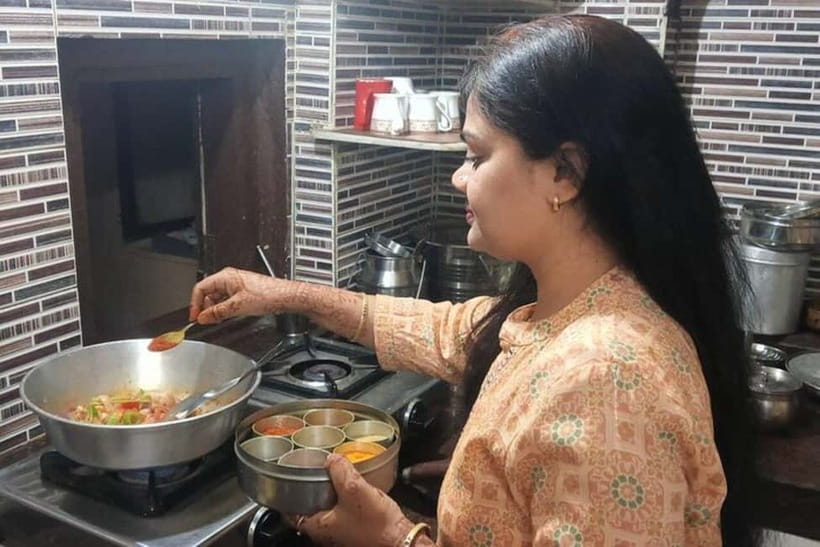
Most people book this class to learn practical skills. And you’ll get them. Expect to make chapatis (and sometimes parathas), plus vegetable curries that match North Indian home cooking.
Chapati work is more than rolling dough. You’ll learn how to handle the dough, how to keep it even, and how to cook it until it bubbles properly. It’s one of those skills that feels fiddly at first, then suddenly clicks.
For curries, you’ll work with a mix of vegetables and spice blends. The goal is not just flavor but technique—how to sauté spices, how to manage moisture, and how to season so it tastes finished. Vegetable curries in particular teach you how to make flavor stick to ingredients without relying on complicated shortcuts.
If you like options, you may be able to pick dishes you want to learn. Many past sessions include a mix of savory staples such as:
- Palak paneer
- Dal tadka or dal dishes
- Aloo-style sabzis (like aloo ghobi)
- Vegetable biryani
- Pakora (often veg pakora)
A shortlist worth scanning before you book:

Rajasthan Staples You Might Learn: Dal Baati, Ker Sangri, and the Flavors of the Region
The highlight list mentions learning time-honored dishes like dal baati churma and ker sangri. Those dishes are deeply tied to Rajasthan’s ingredients and food traditions, so they’re not just “popular Indian food.” They reflect how people ate in drier climates, with spices and techniques built for hearty satisfaction.
You might not cook every single Rajasthan specialty in every session, but you can usually expect the class to anchor around North Indian cooking and Rajasthan flavors. If dal baati churma is on the menu, you’ll see how dal and wheat-based items work together, and how sweetness and texture show up in churma-style components.
Ker sangri is a great example of what makes regional food special. It’s not something most visitors can easily recreate without guidance, because the dish has a distinct character. Even if you only taste it, the explanation of its ingredients and purpose is usually the kind of “why does it taste like that” moment that makes you feel you learned something real.
The Meal Part: Dessert, Homemade Touches, and Why It Matters
A cooking class isn’t finished when you’ve plated. Here, you sit down and eat what you made, which helps you understand the final balance.
You’ll also get an Indian dessert. Past guests have mentioned gulab jamun and the family’s habit of using homemade touches like jaggery sweets. Some classes include small extras that feel like a family kitchen tradition, such as:
- Homemade lemon pickle
- Poppadoms
- Snacks like chikki (a peanut brittle-style sweet)
That’s not just food theater. Tasting accompaniments helps you understand how flavors travel through a meal—salt, tang, heat, and sweetness acting like support characters.
Cultural Exchange Beyond the Recipes: Family Photos, Henna, and Everyday Jaipur
This class works because it’s not stuck in a script. You’ll talk with the host and sometimes meet more of the family in the process. Past guests have enjoyed seeing family photo albums and even a small cultural gesture like henna if you’re interested.
You’ll also get real context for what you’re eating. Spices get discussed as ingredients with jobs, not as magic powders. The family may share stories about ingredients, local habits, and what daily cooking looks like in Jaipur.
And because the setting is a home, you’ll often feel safe asking questions. That includes questions about allergies, intolerances, and what you prefer to eat. Many guests felt the host was flexible and attentive, even when schedules shifted.
What You Get to Take Home: E-Recipes That Make This More Than a One-Off
The best cooking classes end with the ability to recreate. This one does, because e-recipes of all cooked dishes are included. Guests have received recipes via WhatsApp after the class, and the instructions are described as clear and easy to follow.
That matters for value. At home, you won’t remember every ratio or step, and you’ll forget the spice timing first. Having the recipe notes right away helps you practice sooner, while the taste memory is still fresh.
Also, when you learn multiple dishes—chapati plus curries plus rice plus dessert—you get more than one recipe. You leave with a mini menu you can cook again.
Price and Logistics: Is $19 Good Value for Jaipur?
At $19 per person for 3 hours, you’re paying for a small-group, hands-on experience in a real home kitchen, with ingredients guidance and take-home recipes included. For many visitors, the value comes from the combination: instruction + cooking time + tasting + recipes.
The part to plan around is logistics. Transportation to and from the activity isn’t included, so factor in the cost and time of getting to the meeting point. The address is:
3664, Motisingh Bhomiyon Ka Rasta, Fourth Crossing, Johari Bazar, Jaipur 302003
Johari Bazar is a busy area, so arrive with a little extra buffer and consider using a maps app plus local directions.
A practical tip: wear comfortable clothes you can move in. You’ll likely roll dough, stand at the counter, and work in a warm kitchen pace.
Who This Class Is Perfect For (and Who Might Prefer Something Else)
This is ideal if you want:
- Hands-on instruction for Indian home-style cooking
- A chance to choose dishes based on your preferences
- A more personal experience than a restaurant meal
- Spices explained in a way that helps you cook later
It’s also a good fit for solo travelers and couples because the group is capped at 6. That keeps it lively without turning into a crowd.
If you only want a quick sightseeing block with minimal interaction, you might find this is too people-centered and hands-on. But if you like learning by doing, you’ll probably love it.
One note: pets aren’t allowed, since it’s in a home environment.
FAQ
FAQ
How long is the Jaipur cooking class?
The experience lasts 3 hours.
What does the class cost?
It’s listed at $19 per person.
What dishes will I cook?
You’ll do hands-on cooking such as chapatis and vegetable curries. The experience also highlights traditional Rajasthan dishes like dal baati churma and ker sangri, and some sessions include other dishes depending on your menu choices.
What’s included in the price?
Included are welcome drinks, the cooking class with the local family, an introduction to Indian spices and ingredients, hands-on chapati and vegetable curry making, an Indian dessert, and e-recipes of all cooked dishes.
What’s not included?
Transportation to and from the activity isn’t included, and you should expect you won’t bring personal cooking equipment.
Where do I meet the host?
The meeting point is 3664, Motisingh Bhomiyon Ka Rasta, Fourth Crossing, Johari Bazar, Jaipur 302003.
Is there a limit on group size?
Yes. The group is small, limited to 6 participants.
What languages are used during the class?
The instructor communicates in English and Hindi.
Is this experience accessible?
It’s listed as wheelchair accessible.
Final Verdict: Should You Book This Jaipur Cooking Class?
If you want a Jaipur food experience that goes past tasting and actually teaches you how to cook, book it. The combination of hands-on cooking, real home hospitality, and e-recipes makes it feel like a skill-building class, not a souvenir meal.
I’d especially recommend it if you care about getting spice logic and technique, and if you want the option to cook food that fits your tastes (including reported support for gluten-free menus and allergies). Just plan ahead for getting there yourself, because transportation isn’t part of the deal.
If you’re hungry for authentic North Indian and Rajasthan flavors, and you don’t mind being part of a family kitchen for a few hours, this is one of the better ways to spend time in Jaipur.
Make a Little Rajasthan to Take Home
- Pink City Cooking Class★ 5.0 · 452 reviews
- Jaipur Market Tour & Vegetarian Rajasthani Home Cooking Class★ 5.0 · 113 reviews
- Cooking Class in Jaipur – Family Experience with Meal & Transport★ 5.0 · 101 reviews
- Interactive Cooking Class with a Local Family in Jaipur★ 5.0 · 90 reviews
- Jaipur: Block Printing Workshop and Hands-on Experience★ 5.0 · 78 reviews
- Hands-on Block Printing Workshop★ 5.0 · 76 reviews
More Jaipur Tours to Compare
- Jaipur: Private Full Day Sightseeing Tour By Car with Guide★ 4.9 · 1,839 reviews
- 3-Hour Morning Bike Tour of Jaipur★ 5.0 · 1,253 reviews
- Jaipur: Private Sightseeing Day Tour with Guide by Car★ 4.8 · 773 reviews
- Jaipur: Full-Day City Tour with Car, Guide & Skip-the-Line★ 4.8 · 512 reviews
- Full-Day Jaipur Private Sightseeing Tour by Car with Guide★ 5.0 · 472 reviews
- Pink City Cooking Class★ 5.0 · 452 reviews
Cook It Yourself: Rajasthani Classes
- Pink City Cooking Class★ 5.0 · 452 reviews
- Jaipur Market Tour & Vegetarian Rajasthani Home Cooking Class★ 5.0 · 113 reviews
- Cooking Class in Jaipur – Family Experience with Meal & Transport★ 5.0 · 101 reviews
- Interactive Cooking Class with a Local Family in Jaipur★ 5.0 · 90 reviews
- Jaipur Pink City Cooking Class★ 5.0 · 73 reviews
- Indian Traditional Hands On Cooking Classes with local Family★ 5.0 · 69 reviews
Newly Added Jaipur Reviews





More from Jaipur Cooking Classes.
 ★ 5.0Pink City Cooking ClassFrom $27452 reviews
 ★ 5.0Jaipur Market Tour & Vegetarian Rajasthani Home Cooking ClassFrom $60113 reviews
 ★ 5.0Cooking Class in Jaipur – Family Experience with Meal & TransportFrom $29101 reviews
 ★ 5.0Interactive Cooking Class with a Local Family in JaipurFrom $2690 reviews
 ★ 5.0Jaipur Pink City Cooking ClassFrom $2073 reviews
 ★ 5.0Indian Traditional Hands On Cooking Classes with local FamilyFrom $6469 reviews
 ★ 4.9Interactive Cooking Class with a Local FamilyFrom $2458 reviews
 ★ 5.0Traditional cooking class and storytelling sessionFrom $2748 reviews
This tour also appears in