
Reviewed · PUSHKAR & AJMER DAY TRIPS
Jaipur: Ajmer & Pushkar Day Trip with Lunch & Camel ride
Spiritual monuments in one long day. I like how this trip strings together Ajmer Sharif Dargah and Pushkar Lake ghats in a single schedule, so you get both Sufi calm and pilgrimage energy without planning anything. The main catch is the long road time, plus the day can feel crowded at the most popular prayer spots.
You’ll start early from Jaipur, ride through Aravalli scenery, then land in Ajmer around late morning. After a quick set of historic stops, you’ll head to Pushkar for lunch on your own and a slow stroll around the lake before returning to Jaipur in the late afternoon. If you’re lucky with your driver, the ride can feel smooth—names like Shah Rukh and Manoj come up for good reason.
One more thing to keep in mind: this is not a fully guided, deep-interpretation tour. If your driver isn’t briefed on your exact plan, you might end up doing some light directing yourself.
In This Review
- Key highlights to watch for
- A day of Sufi calm, temple oddities, and lake rituals
- Getting there from Jaipur: road time and Aravalli views
- Ajmer Sharif Dargah: Mughal-era spirituality you can feel
- Adhai Din Ka Jhonpra: old stones with an Indo-Islamic twist
- The short trip to Pushkar: time saved, views added
- Brahma Temple and Pushkar Lake: two different kinds of sacred
- Lunch in Pushkar: what to expect when it’s not included
- Pushkar Bazaar: handicrafts, jewelry, and quick shopping strategy
- Price and logistics: where $30 feels fair, and where it can fall short
- What to pack and wear so the day stays easy
- Who should book this Ajmer and Pushkar day trip
- Should you book this day trip
- FAQ
- What time does the Jaipur to Ajmer and Pushkar day trip start?
- When do you arrive in Pushkar and how long do you spend there?
- Are meals included in the price?
- Which sites are included during the day?
- Is Pushkar a vegetarian town?
- Is smoking allowed during the trip?
Key highlights to watch for
- Ajmer Sharif Dargah: a major Sufi shrine tied to Khwaja Moinuddin Chishti, with Mughal-style architecture up close
- Adhai Din Ka Jhonpra: an early Indo-Islamic structure known for carved stone details
- Pushkar Lake and 52 ghats: you’ll see the heart of the pilgrimage circuit
- Brahma Temple visit: one of the rare temples dedicated to Lord Brahma
- Flexible lunch in Pushkar: vegetarian-friendly options where you can eat at your own pace
- Private AC vehicle: comfort matters on Rajasthan road time, especially for a day trip
The lake town and the dargah, a day out
- Pushkar Day Trip from Jaipur – Private Car, Safari, Guide & Lunch
★ 4.5 · 45 reviews - Private Day Trip to Ajmer and Pushkar from Jaipur
★ 4.5 · 26 reviews - Ajmer Pushkar Day Tour from Jaipur
★ 4.5 · 23 reviews - From Jaipur: Pushkar and Ajmer Private Day Trip
★ 4.1 · 18 reviews
A day of Sufi calm, temple oddities, and lake rituals
This is the kind of outing that works well when you want culture without committing to an overnight. You’re packing a lot in: a respected Sufi shrine in Ajmer, one of the oldest Islamic structures in India, then Pushkar’s sacred lake area and a temple that most people only hear about in passing.
What I like most is the contrast. Ajmer Sharif Dargah is about devotion and presence—people come to pray, reflect, and move with a slower rhythm. Then Pushkar shifts to the pilgrimage landscape around the lake, where the ritual geography (the ghats) shapes everything you see and where you stand.
The drawback is also part of the appeal: popular places mean crowds, and you’ll be on your feet longer than a museum day. If you’re sensitive to heat or crowds, plan to go with the flow and focus on what you can actually absorb in the time you have.
Getting there from Jaipur: road time and Aravalli views
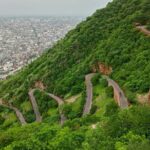
You begin around 8:00 AM with a 2-hour drive to Ajmer. The route runs through the Aravalli area, so you get those Rajasthan road views that make the trip feel like more than just transportation.
Ajmer to Pushkar is shorter—about 30 minutes—so once you reach Ajmer, the day moves with a steady pace instead of dragging. After Pushkar, you start back around 4:30 PM and reach Jaipur in the evening.
This timing is practical, but it also means you should eat smart. You won’t have a sit-down included meal during the travel segments; lunch is at your own cost once you’re in Pushkar. Bring a bottle of water and keep an energy snack handy if you tend to get hungry on long drives.
Ajmer Sharif Dargah: Mughal-era spirituality you can feel
Your Ajmer stop starts with Ajmer Sharif Dargah, dedicated to Khwaja Moinuddin Chishti. The schedule gives you about one hour here, which is realistic. In a place like this, you don’t want to rush—some of the value is simply watching how people pray and wait their turn.
The dargah’s setting and architecture do the job right away. Even if you don’t read every architectural detail, you’ll notice the Mughal-style character in the complex and the way space guides movement. It’s a shrine, so the atmosphere stays devotional rather than sightseeing-only.
Practical tip: plan your camera use carefully. During prayer time, you’ll see a mix of worshippers moving through courtyards and people concentrating on prayer. Dress modestly here, keep your shoulders and legs covered, and expect close quarters as people pass.
Crowds are normal. That doesn’t ruin it—it just changes the experience from quiet to communal. If you want a calmer moment, try to arrive with your group ready to start promptly when you enter.
Adhai Din Ka Jhonpra: old stones with an Indo-Islamic twist
Next comes Adhai Din Ka Jhonpra, with about 30 minutes. This is one of those stops that feels small in time but big in design. The structure is known for being built in two and a half days, and the site’s carved pillars and domes are the visual reason you stop at all.
What you’ll appreciate is the blend of styles. The structure is described as showcasing Indo-Islamic artistry, and you can see that in how the stonework is shaped and repeated. Even in a short visit, you can get the feel of how the craftsmanship organizes light, shadow, and symmetry.
The time here is tight by design. If you like to read every inscription or trace every carving, you may want a little more time. But as part of a day trip, it works: you get the key “how old is this and what does it look like” moments without losing the rest of your schedule.
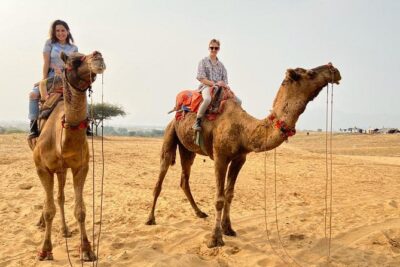
Out into the dunes on a camel
The short trip to Pushkar: time saved, views added
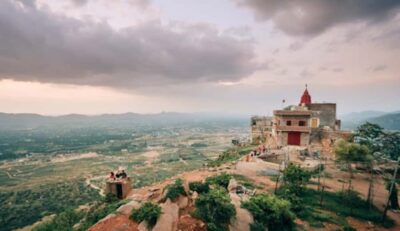
After Ajmer, you take about a 30-minute drive to Pushkar and arrive around 1:00 PM. This is a good buffer. It’s long enough to reset after Ajmer’s intensity, but short enough that you don’t feel like you spent the afternoon in a vehicle.
You’ll also get that in-between Rajasthan feeling—an easy shift from larger city religious life to Pushkar’s more pilgrimage-focused rhythm. And because this is a vegetarian town, lunch decisions tend to be simpler than in places where you’re juggling many cuisines.
If you’re prone to motion sickness, this is still manageable road time, but bring what helps you personally. Day trips are always a bit unpredictable with traffic, even when the schedule is tight.
Brahma Temple and Pushkar Lake: two different kinds of sacred
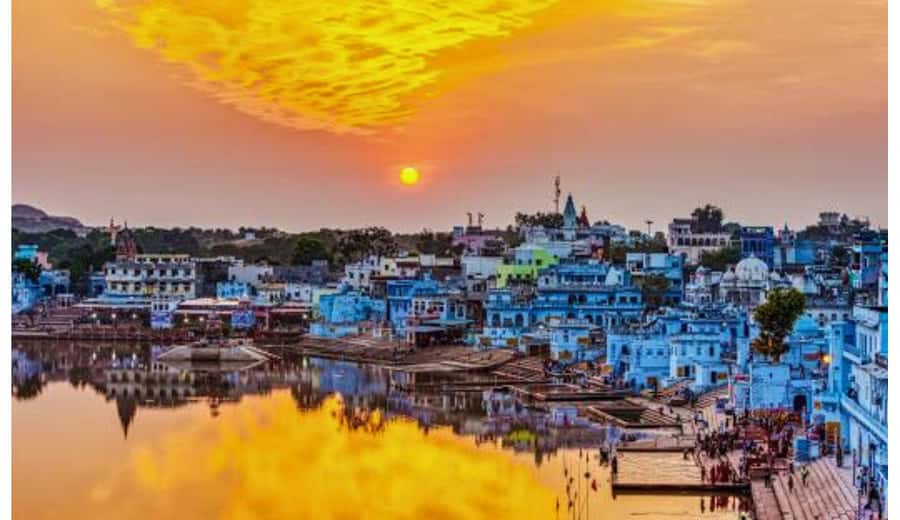
In Pushkar, you visit the Brahma Temple next, with about 30 minutes. Temples dedicated to Lord Brahma are rare, so the value here is straightforward: you’re seeing something uncommon. It’s not a long stop, so your best strategy is to enter with a clear goal—look, observe the space, and take in what you can without overthinking it.
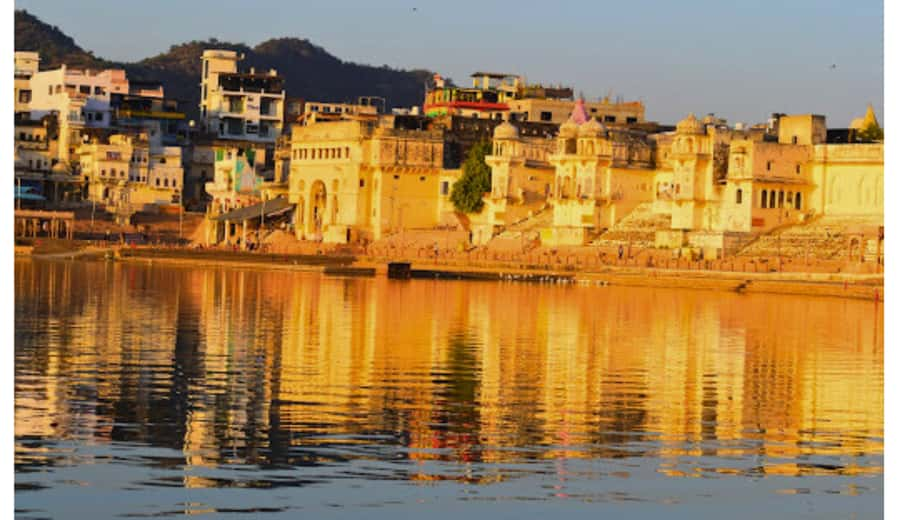
Then comes the main event for many people: Pushkar Lake and its 52 ghats. You’re allotted about 45 minutes here, and that’s usually enough time to get bearings, watch a few ritual moments, and walk along at least part of the ghat area.
Why the lake matters: it’s the organizing feature of Pushkar. Ghats aren’t just stairs; they’re the ritual geography. You’ll see pilgrims and visitors working with the lake space in a way that feels connected to faith rather than tourism.
You’ll also notice how the lake area changes your pace. You stop moving fast. You slow down to look at the water and the steps and the people using the space. It’s one of the best places in the day trip for photos, but remember: the real point is the vibe and the rituals, not the camera checklist.
Lunch in Pushkar: what to expect when it’s not included
Lunch is your own choice at local eateries in Pushkar. The tour description calls out local Rajasthani or vegetarian cuisine, and Pushkar being vegetarian makes that easier.
Here’s how to get good value: eat where other locals are comfortable. Since you’re in a pilgrimage town, many places will have simple, filling options that don’t require menu decoding.
Because lunch isn’t included, you should budget for it separately. The upside is you can choose based on your appetite and spice tolerance. If you’re cautious with street food, look for a place that looks clean and busy in the way that signals consistent turnover.
Also: keep your time in mind. You’ll have a temple stop and lake time after lunch, so don’t take the longest meal possible. You want a satisfying break, not a two-hour lunch detour.
Pushkar Bazaar: handicrafts, jewelry, and quick shopping strategy
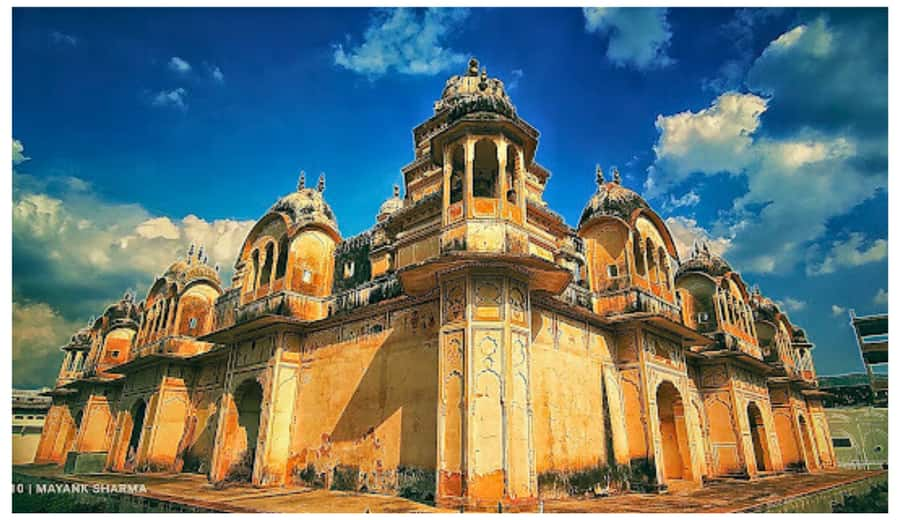
After the lake, you get time for Pushkar Bazaar, roughly 30 minutes. This is where you can convert the experience into souvenirs—handicrafts, jewelry, and other common Rajasthan market goods.
I recommend treating this like a short sprint. If you wait until the last minute to bargain, you’ll feel rushed and sometimes overpay. Instead, set yourself a simple plan before you start: one or two items you actually want (not just because it’s pretty), and a price range you’re comfortable with.
Cash is useful. The tour notes specifically advise carrying cash for shopping. That’s a practical signal: some stalls won’t be set up for card payments, and having cash makes the process smoother.
Price and logistics: where $30 feels fair, and where it can fall short
At about $30 per person, this day trip is a decent deal because you’re getting a private air-conditioned vehicle, pickup and drop, fuel, tolls, and parking. For a full-day outing covering multiple sites, those “invisible” costs add up quickly if you try to do it on your own with taxis and separate bookings.
But here’s the balanced truth: the experience value depends on guidance quality. In at least one case, a driver wasn’t clearly told which tour was booked, and the day ran with the traveler essentially acting as the guide. That turns a relaxed sightseeing day into a bit of problem-solving.
So how do you protect yourself? If the company assigns a driver (or guide), take a moment before you start to confirm:
- the order of stops
- the expected duration at each site
- who’s handling ticket/entry instructions (if any)
If your driver is friendly and prepared—drivers like Shah Rukh and Manoj have been specifically mentioned for comfort during the ride—you’ll likely feel the schedule click into place. If not, you can still enjoy the sights, but you’ll want to rely less on narration and more on your own curiosity.
Also note: this isn’t ideal for wheelchair users. Plan for walking across uneven areas around religious sites and lake ghats.
What to pack and wear so the day stays easy
This is a day mostly spent outdoors and around religious spaces, so pack for comfort first.
Bring:
- comfortable shoes (you’ll walk in and around courtyards and ghat steps)
- hat for sun
- camera
- sunscreen
- water
Wear:
- modest clothing at religious sites (shoulders and legs covered)
Behavior notes:
- No smoking is allowed.
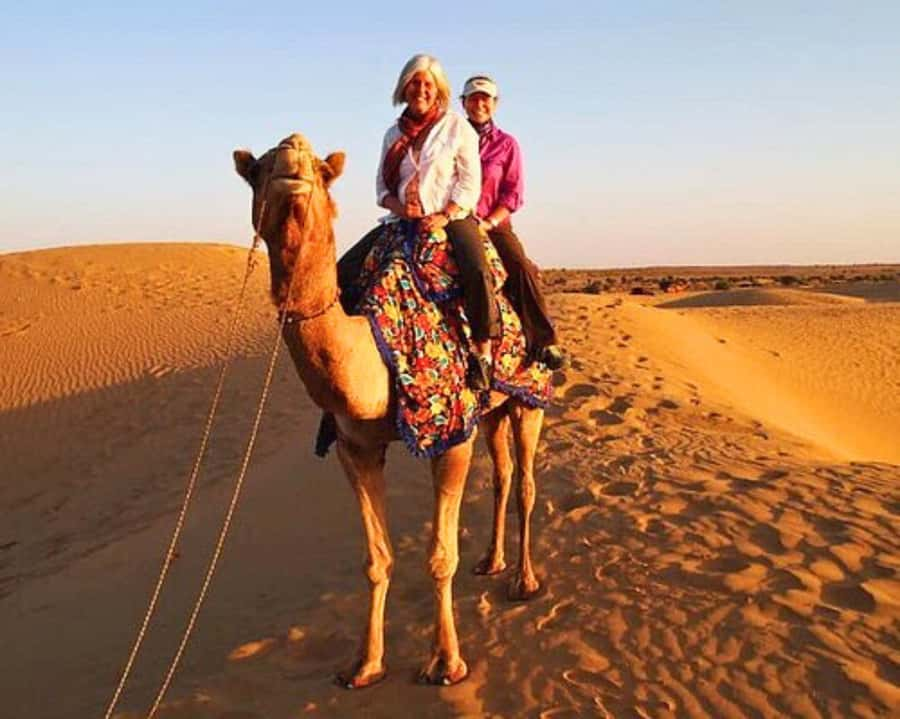
If you’re thinking about a camel ride: the trip title mentions it, but the detailed schedule provided here focuses on the listed religious and lake stops. Before you go, check directly with your operator whether camel time is actually included in your day plan. You don’t want to assume and then lose time.
Who should book this Ajmer and Pushkar day trip
This tour fits best if you want:
- a single-day cultural hit from Jaipur
- a mix of Sufi shrine + historic Islamic structure + Pushkar pilgrimage
- private vehicle comfort without paying for a full guided itinerary
You might prefer another option if:
- you want long explanation at every stop (you’ll have limited time at Adhai Din Ka Jhonpra, Brahma Temple, and the lake)
- you dislike crowds
- you’re very sensitive to heat and long road time
And if you’re traveling with the right mindset—arrive, observe, be respectful, and keep your expectations aligned to the schedule—you’ll likely enjoy the day more than the hassles.
Should you book this day trip
Book it if you want value and variety: Ajmer Sharif Dargah, Adhai Din Ka Jhonpra, Brahma Temple, and Pushkar Lake in one clean itinerary is a lot for the price. The private AC vehicle and pickup/drop reduce stress, especially when you’re trying to cover multiple sites in a single day.
Skip or reconsider if you strongly want a knowledgeable guide narrating every stop, because the schedule time is tight and guidance quality may vary. Also, check about the camel ride in advance, since the details here emphasize the core sites.
If you do book: confirm the stop order before you leave, bring modest clothing and comfortable shoes, and keep your shopping and lunch realistic. Then you’ll get the best part of Pushkar and Ajmer—those sacred spaces—without turning the day into logistics work.
FAQ
What time does the Jaipur to Ajmer and Pushkar day trip start?
The day trip starts at 8:00 AM, with a drive to Ajmer that takes about 2 hours.
When do you arrive in Pushkar and how long do you spend there?
You reach Pushkar around 1:00 PM. You then visit the Brahma Temple, explore Pushkar Lake and ghats, and have time for Pushkar Bazaar before returning to Jaipur.
Are meals included in the price?
Meals aren’t included. There is a lunch break in Pushkar where you eat at your own cost.
Which sites are included during the day?
The included visits are Ajmer Sharif Dargah, Adhai Din Ka Jhonpra, Brahma Temple, and Pushkar Lake and its ghats (plus exploration time at Pushkar Bazaar).
Is Pushkar a vegetarian town?
Yes. Pushkar is noted as a vegetarian town, which helps with lunch planning.
Is smoking allowed during the trip?
No. Smoking is not allowed.
More Jaipur Tours to Compare
- Jaipur: Private Full Day Sightseeing Tour By Car with Guide★ 4.9 · 1,839 reviews
- 3-Hour Morning Bike Tour of Jaipur★ 5.0 · 1,253 reviews
- Jaipur: Private Sightseeing Day Tour with Guide by Car★ 4.8 · 773 reviews
- Jaipur: Full-Day City Tour with Car, Guide & Skip-the-Line★ 4.8 · 512 reviews
- Full-Day Jaipur Private Sightseeing Tour by Car with Guide★ 5.0 · 472 reviews
- Pink City Cooking Class★ 5.0 · 452 reviews
Into the Dunes by Camel
- Jaipur: Full-Day City Tour with Camel Ride and Monkey Temple★ 3.8 · 4 reviews
Pushkar Lake and Ajmer
- Pushkar Day Trip from Jaipur – Private Car, Safari, Guide & Lunch★ 4.5 · 45 reviews
- Private Day Trip to Ajmer and Pushkar from Jaipur★ 4.5 · 26 reviews
- Ajmer Pushkar Day Tour from Jaipur★ 4.5 · 23 reviews
- From Jaipur: Pushkar and Ajmer Private Day Trip★ 4.1 · 18 reviews
- Private One Day Trip to Pushkar from Jaipur★ 5.0 · 14 reviews
- Private Same Day Trip to Pushkar from Jaipur★ 5.0 · 11 reviews
Newly Added Jaipur Reviews
More from Pushkar & Ajmer Day Trips.
 ★ 4.5Pushkar Day Trip from Jaipur – Private Car, Safari, Guide & LunchFrom $5845 reviews
 ★ 4.5Private Day Trip to Ajmer and Pushkar from JaipurFrom $8426 reviews
 ★ 4.5Ajmer Pushkar Day Tour from JaipurFrom $8423 reviews
 ★ 4.1From Jaipur: Pushkar and Ajmer Private Day TripFrom $4318 reviews
 ★ 5.0Private One Day Trip to Pushkar from JaipurFrom $6314 reviews
 ★ 4.5Jaipur Pushkar Private Day TourFrom $30011 reviews
 ★ 5.0Private Same Day Trip to Pushkar from JaipurFrom $3211 reviews
 ★ 5.0Jaipur City- 3 Day Private Tour With Day-Trip To PushkarFrom $12810 reviews
This tour also appears in