
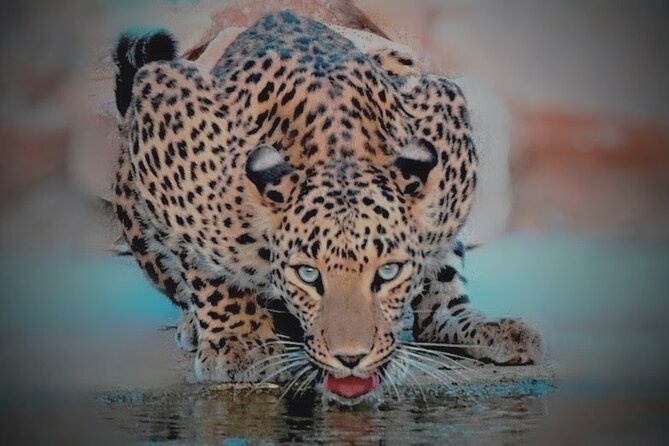
Reviewed · RANTHAMBORE SAFARIS
Jhalana Panther Safari Park Tour in Jaipur
Jaipur gets feral fast. This short safari is one of the easiest ways to chase panthers and other big cats right near the city. You’ll ride in an open 4×4 with a naturalist, and the trip is set up so you can spend your time looking instead of sorting paperwork.
I like that the big admin stuff is handled up front: all safari permits and the still camera fee are included, plus there’s an interpretation centre stop. The main thing to keep in mind is also the nature of the experience—wildcat sightings aren’t guaranteed, and weather and season can make leopards harder to spot.
In This Review
- Key things to know before you go
- Why the Jhalana safari is such a smart use of time
- Your open 4×4 ride: what you’re really paying for
- The safari circuit: entry gate, interpretation centre, and wildlife time
- Morning vs afternoon: how timing shapes your chances
- Price and logistics: pickup limits and what’s included
- Weather in Jaipur: what to wear so you’re comfortable
- How to set expectations for the best leopard moment
- Who this safari is perfect for (and who should adjust plans)
- Should you book the Jhalana Panther Safari Park tour?
- FAQ
- How long is the Jhalana Panther Safari Park tour?
- What does the tour include for tickets and photos?
- Is hotel pickup available?
- What animals might I see in Jhalana?
- Do I get to choose between morning and afternoon?
- What kind of vehicle is used during the safari?
- What’s the group size?
- Where does the tour start and end?
- What should I wear in winter, summer, or rainy season?
- Can I cancel for a refund?
Key things to know before you go
- Open 4×4 ride: You’ll be exposed to the elements, so dress for wind and sun as much as for animals.
- Permits + still camera fee included: Fewer add-ons to worry about once you arrive.
- Small-group format (up to 6): A tighter safari can mean more attention from the driver/naturalist.
- Sightings are never promised: On some days you’ll see more “supporting cast” than the big cat you came for.
- Morning or afternoon departures: Pick the time that matches your energy and your day in Jaipur.
- Pickup is limited by distance: Free pickup is only within 8 km of the safari entry gate.
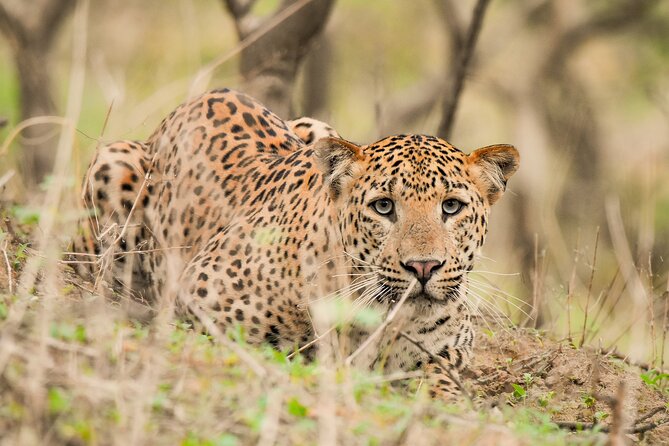
Into Jhalana at dusk, tracking a leopard
- Jaipur: Jhalana Amagarh Leopard Reserve 4×4 Jeep Safari
★ 4.5 · 97 reviews - Exclusive Safari at Jhalana Leopard Park Including Transfers
★ 4.5 · 23 reviews - Jaipur: Jhalana/Amagarh leopard safari private tour
★ 3.8 · 21 reviews - Safari In Jhalana Leopard Conservation Reserve, Jaipur
★ 3.5 · 21 reviews
Why the Jhalana safari is such a smart use of time
A good wildlife day in Rajasthan usually means a whole lot of time in a car. Jhalana Panther Safari Park flips that idea on its head by keeping the whole experience compact—about 2 hours 30 minutes total. You get a real safari setup (vehicle + naturalist + permits) without burning a day.
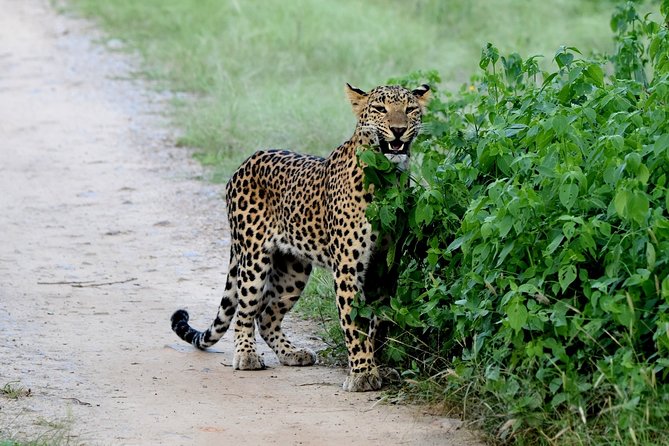
What makes it especially appealing is the mix of animals you might encounter. You’re not just hunting for one species. The park’s known for panthers and leopards, but you could also see hyenas, desert foxes, and other wildlife moving through the reserve. Even when the star sighting doesn’t happen, the ride is still about noticing animal behavior—tracks, movement, and the way predators and prey share space.
The value angle is also strong for the price. $45 per person is not a bargain-bargain, but it’s reasonable when you factor in safari permits and the still camera fee being included. Then add that you can choose morning or afternoon to fit your Jaipur plan, and the trip starts to feel like a practical “add-on” that’s worth doing once.
Your open 4×4 ride: what you’re really paying for
This is an open 4×4 safari, so you’re sitting right up in the action. That’s half the fun and half the trade-off. There’s wind in your face, sun on your arms, and you’ll want to keep your phone/camera ready. The vehicle style also means the driver can reposition quickly when something is spotted.
The other half is the human piece: the naturalist. You’ll reach the entry gate, and that’s where the driver brings the naturalist into the loop. Then you head into the reserve with commentary focused on animals you might encounter. This matters because in a forest-like reserve, animals can be easy to miss if you’re only watching for the biggest moment.
From what I can gather, the best days feel like teamwork. On some safaris, drivers speed to a sighting location when another vehicle spots a panther or leopard, so you’re not stuck in one spot just hoping. That’s a huge reason to go with an operator that actively manages the safari route.
The safari circuit: entry gate, interpretation centre, and wildlife time
Your experience starts at the park area and moves into the safari in a structured way. First, you’ll arrive at the entry gate and meet the flow of the day—driver + naturalist working together, with everyone aligned on what to look for. You’re then out in the reserve for your wildlife time.
One part I appreciate is the visit to the interpretation centre included with the tour. You don’t have to rely only on luck once you’re in the bush. Even if you only skim what’s there, it helps you understand what kinds of animals are expected and why certain areas might be more active at certain times.
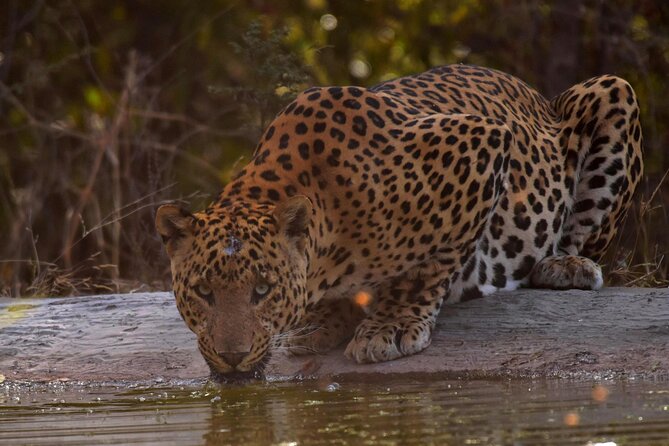
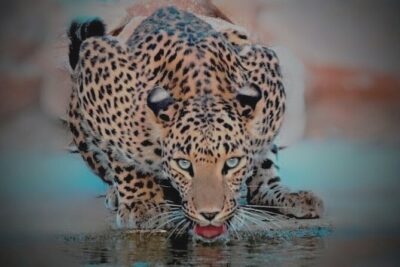
Then the main show: the ride through the reserve in search of wildlife. Expect the terrain to be more practical than scenic-postcard. The safari routes are about access—dirt roads and approaches to waterholes—because that’s where animals come through. If your goal is to spot a leopard or panther, water access points often matter more than the prettiest view.
A realistic expectation check: some days you might see plenty of “movement and tracks” but not the animal you want to photograph close-up. That’s not a failure of the experience—it’s wildlife timing. Leopards can be sleeping. They can be moving quietly. And if visibility is affected by rain or seasonal growth, spotting gets harder.
Morning vs afternoon: how timing shapes your chances
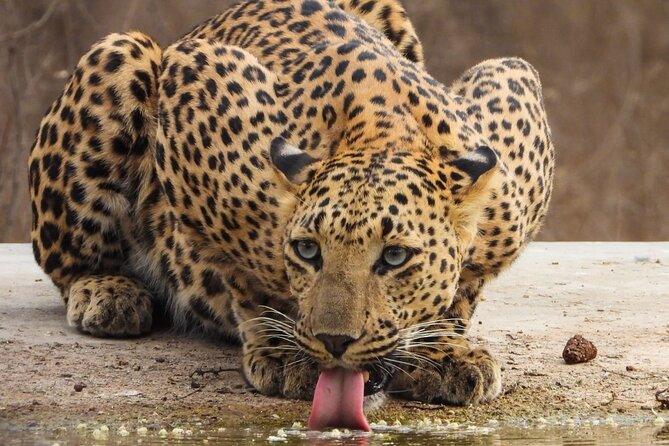
The tour gives you a choice of morning or afternoon departures, which is handy because Jaipur can be intense to tour all day. Timing also affects the “feel” of the safari.
Morning often feels better for getting active behavior. Animals can be more noticeable early, and the light can make spotting easier as you scan the edges of the reserve. If you’re the type who can wake up and go without negotiating with the alarm clock, this is usually a strong option.
Afternoon can work too, especially if your Jaipur day already has something earlier and you want a lighter schedule. The ride still depends on animal behavior, so afternoon doesn’t magically guarantee a leopard. But it can be a good way to keep your day efficient and avoid the hottest stretch of the day.
Here’s the big seasonal reality: visibility and animal activity change across the year. During monsoon months, sightings can drop because the grass can grow thicker, making it harder to pick out cats in cover. Rainy days can also shift how animals use the reserve. In short: if you’re visiting during July to September, go in expecting fewer big-cat moments and more “nature safari” moments.
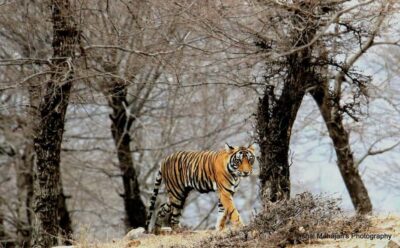
Tiger country: more Ranthambore mornings
Price and logistics: pickup limits and what’s included
At $45 per person, you’re mostly paying for two things: a guided safari experience and the administrative permissions that let you enter the reserve legally. Since all safari permits and the still camera fee are included, you avoid the common headache of surprise add-ons at the gate.
Pickup is the one logistics detail you should plan around. Pickup is offered for free within 8 km (5 miles) of the safari entry gate. If your hotel is farther, the cost is $35 for pickup and drop after that 8 km limit.
That’s worth thinking about if your hotel is on the outskirts. A small difference in location can change whether pickup is included or paid. If you want the cleanest day, check the route from your hotel to the meeting area before you book.
Also keep in mind the tour is capped at a maximum of 6 travelers. That’s generally a good sign for getting attention from the driver and naturalist. Still, the safari is inside a reserve used by multiple vehicles, so you may share sightings and roads with other groups.
Weather in Jaipur: what to wear so you’re comfortable
This park is close enough to Jaipur that you’ll feel the weather, especially because the safari vehicle is open. The tour info gives you clear seasonal guidance, and I’d follow it.
- Winter (November to February): temperatures can drop to about 2°C. Bring warm layers, not just a light jacket. Gloves or a scarf can matter more than you’d expect.
- Summer (April to June): it’s hot. Wear a hat and use goggles if you’re sensitive to dust and sun.
- Rainy season (July to August): rains can be scattered, but mosquitoes can still be a factor. Plan for full-length clothing to reduce bites and keep your legs comfortable.
One practical tip: pack for wind too. Open-vehicle safaris can feel colder in winter and hotter in summer than you expect, simply because there’s no shelter from airflow.
How to set expectations for the best leopard moment
You’re booking a leopard/panther safari, so it’s normal to have one big hope. Just don’t treat it like a guaranteed appointment.
Wildcats in a reserve are not on a schedule. A leopard can be out and visible, or it can be tucked away. Even when leopards are present, they might be sleeping, moving far apart, or hidden by growth. That’s why the naturalist and driver matter so much: they read the terrain, watch behavior cues, and reposition when something looks promising.
Also remember that the reserve environment can feel a bit “managed” from the outside. If you’re expecting total wilderness isolation, you might be surprised by how the safari experience works day-to-day—roads for vehicles, other groups nearby, and the reality that many eyes are scanning the same area. That doesn’t ruin it. It just means the thrill is in spotting something real in a place where the animals choose when and where to show up.
If you want the highest chance of a satisfying outcome, pick a departure time that matches your alertness, dress for comfort, and treat the safari as a wildlife experience first and a leopard photo session second.
Who this safari is perfect for (and who should adjust plans)
This is a great fit if you:
- Want wildlife right near Jaipur without a full-day road trip.
- Like guided interpretation—someone pointing out what you might otherwise miss.
- Prefer a small-group setup capped at 6 travelers.
- Can handle the reality that big-cat sightings are luck plus skill.
You might want a different plan if you:
- Need a guaranteed animal sighting for a specific reason (a proposal, a strict itinerary with zero flexibility, etc.).
- Get miserable in open-vehicle weather and don’t pack for wind/sun/rain.
- Are expecting a perfectly private, zero-sharing safari experience every time. The format is small, but wildlife reserves involve other vehicles and movement patterns.
Should you book the Jhalana Panther Safari Park tour?
Yes, I’d book it if your goal is a guided, permission-included wildlife outing close to Jaipur, and you’re okay with the core wildlife truth: sightings are never guaranteed. The best part is how efficient it is—permits and camera fees are sorted, you get a naturalist, and you can choose morning or afternoon to match your day.
Book it especially if you’re the kind of traveler who enjoys the chase even when the star moment is delayed. That might sound like a sales line, but it’s really how these safaris work. You’ll be staring into scrub and scanning for movement anyway—so lean into it, dress for the weather, and give the driver a chance to do their job.
If you’re going during monsoon months, treat the safari as a nature ride with wildlife possibilities rather than a guaranteed leopard hunt. You’ll still come away with a stronger sense of the reserve once the interpretation centre is part of your day.
FAQ
How long is the Jhalana Panther Safari Park tour?
The safari experience runs about 2 hours 30 minutes (approx.).
What does the tour include for tickets and photos?
It includes all safari permits, permit management, a visit to the interpretation centre, and still camera fees.
Is hotel pickup available?
Yes. Free pickup is offered within 5 miles (8 km) of the safari entrance. If you need pickup after that distance, it’s $35.
What animals might I see in Jhalana?
The experience focuses on seeing panthers and other wildlife, including leopards, hyenas, desert foxes, and more.
Do I get to choose between morning and afternoon?
Yes. You can choose from morning or afternoon departures to match your schedule.
What kind of vehicle is used during the safari?
You ride in an open 4×4 vehicle with a naturalist.
What’s the group size?
This activity has a maximum of 6 travelers.
Where does the tour start and end?
It starts at the meeting point in Jaipur (listed as World Of Wilders at the Jhalana Leopard Safari / nearby names) and ends back at the meeting point.
What should I wear in winter, summer, or rainy season?
Winter: warm clothing is recommended (temps can reach around 2°C). Summer: wear a hat and goggles. Rainy season (July to August): wear full-length clothing to avoid mosquito bites.
Can I cancel for a refund?
No. This experience is non-refundable and cannot be changed for any reason.
More Jaipur Tours to Compare
- Jaipur: Private Full Day Sightseeing Tour By Car with Guide★ 4.9 · 1,839 reviews
- 3-Hour Morning Bike Tour of Jaipur★ 5.0 · 1,253 reviews
- Jaipur: Private Sightseeing Day Tour with Guide by Car★ 4.8 · 773 reviews
- Jaipur: Full-Day City Tour with Car, Guide & Skip-the-Line★ 4.8 · 512 reviews
- Full-Day Jaipur Private Sightseeing Tour by Car with Guide★ 5.0 · 472 reviews
- Pink City Cooking Class★ 5.0 · 452 reviews
Tiger Trails: More Ranthambore
- Golden Triangle & Ranthambore: 4-Day Private Tour from Delhi★ 5.0 · 355 reviews
- From Jaipur: Ranthambore National Park Day Trip with Safari★ 4.6 · 244 reviews
- SkyWaltz Hot Air Balloon Safari★ 5.0 · 117 reviews
- Jaipur: Jhalana Amagarh Leopard Reserve 4×4 Jeep Safari★ 4.5 · 97 reviews
- Ranthambore Tiger Safari from Jaipur – 1 or 2 Days★ 5.0 · 88 reviews
- Ranthambore Tiger Safari Day trip from Jaipur – All Inclusive★ 4.5 · 87 reviews
Leopards in Jhalana
- Jaipur: Jhalana Amagarh Leopard Reserve 4×4 Jeep Safari★ 4.5 · 97 reviews
- Exclusive Safari at Jhalana Leopard Park Including Transfers★ 4.5 · 23 reviews
- Jaipur: Jhalana/Amagarh leopard safari private tour★ 3.8 · 21 reviews
- Safari In Jhalana Leopard Conservation Reserve, Jaipur★ 3.5 · 21 reviews
- Jaipur to Jhalana Leopard reserve Private Day Trip All Inclusive★ 5.0 · 16 reviews
- Jaipur: Jhalana Amagarh Leopard Safari Park Guided Tour★ 3.8 · 5 reviews
Newly Added Jaipur Reviews




More from Ranthambore Safaris.
 ★ 5.0Golden Triangle & Ranthambore: 4-Day Private Tour from DelhiFrom $215355 reviews
 ★ 4.6From Jaipur: Ranthambore National Park Day Trip with SafariFrom $85244 reviews
 ★ 5.0SkyWaltz Hot Air Balloon SafariFrom $325117 reviews
 ★ 4.5Jhalana Amagarh Leopard Reserve 4×4 Jeep SafariFrom $6097 reviews
 ★ 5.0Ranthambore Tiger Safari from Jaipur – 1 or 2 DaysFrom $3388 reviews
 ★ 4.5Ranthambore Tiger Safari Day trip from Jaipur – All InclusiveFrom $4387 reviews
 ★ 3.7From Jaipur: One Day Trip to Ranthambore Tiger SafariFrom $10054 reviews
 ★ 4.5Pushkar Day Trip from Jaipur – Private Car, Safari, Guide & LunchFrom $5845 reviews
This tour also appears in