
Jhalana turns Jaipur noise into wildlife time. I love the chance to spot leopards and how the safari is run from an open jeep for real, close-up viewing; I also like that you get a focused wildlife window rather than a half-day wasted on transfers. One consideration: this outing is weather-dependent, so plan for possible changes if conditions are poor.
For a small group, this is a simple way to do the nature part of Rajasthan without overcomplicating your day. You’ll be targeting leopards plus other animals and birdlife, with an experienced guide named Monty highlighted in past trips for bird-and-animal spotting.
In This Review
- What You’re Really Booking at Jhalana
- Jhalana Leopard Safari Park: a quick reset from Jaipur
- Open Jeep Safari: why the transport style changes everything
- The Safari Flow: your 3–4 hour day, focused on one stop
- Stop 1: Jhalana Leopard Safari Park (about 1h15 on-site)
- What you should expect from the vibe
- Wildlife spotting tips that make the most of your jeep time
- Monty and the bird-and-animal focus you’ll benefit from
- Price and value for a private group (up to 5 people)
- Timing that works: a 3–4 hour break you can plan around
- Booking details that can affect your day
- Who this safari suits best
- Should you book Jaipur Leopard Safari at Jhalana?
- FAQ
- Where does the safari take place?
- How long is the experience?
- What wildlife can I expect to see at the park?
- Is pickup included?
- Is this tour private?
- How will I get my ticket?
- What happens if it’s canceled due to weather or if I cancel?
What You’re Really Booking at Jhalana
This is a private safari experience near Jaipur that trades city streets for a wildlife setting right away. The core value is clarity: you’re going to one main place, you’re there for a meaningful chunk of time, and you’re in a jeep that keeps you connected to what’s happening outside.
The “private” part matters more than it sounds. With only your group participating, you’re not squeezed into a large crowd where you lose sightlines and patience. And because the group size is capped at up to 5 people, you can actually hear the guide and keep your attention on spotting, not logistics.
Into Jhalana at dusk, tracking a leopard
- Jaipur: Jhalana Amagarh Leopard Reserve 4×4 Jeep Safari
★ 4.5 · 97 reviews - Exclusive Safari at Jhalana Leopard Park Including Transfers
★ 4.5 · 23 reviews - Jaipur: Jhalana/Amagarh leopard safari private tour
★ 3.8 · 21 reviews - Safari In Jhalana Leopard Conservation Reserve, Jaipur
★ 3.5 · 21 reviews
Jhalana Leopard Safari Park: a quick reset from Jaipur
The best reason to go is the change of pace. Jaipur can be intense: traffic, crowds, shops, and constant movement. This safari gives you a clean break, using the late-afternoon-to-nature rhythm many people associate with wildlife viewing in this region.
In the park, you’re not just looking for one animal. The safari is set up to let you watch a mix of wildlife and birdlife. The listed possibilities include leopards, deer, hyenas, and blue bulls, plus birds. That matters because wildlife sightings aren’t guaranteed. When you build a plan that isn’t leopard-only, your odds of having a satisfying outing go up.
Open Jeep Safari: why the transport style changes everything
You’ll travel on an open jeep, which is exactly what you want for this kind of experience. Closed vehicles can hide details; open vehicles put you closer to movement, sounds, and the small cues that help you spot animals sooner.
Here’s what that means in practice:
- You’ll likely spend more time scanning. That can sound tiring, but it also makes the experience feel active rather than passive.
- Your view lines tend to be better for watching something walk across the area, pause, or cross near the road.
The safari is listed as jungle safari on an open jeep, and the time you’re inside the park is 1 hour 15 minutes, with the admission ticket included. So you’re paying for time in the habitat, not just a long ride with a short viewing window.
The Safari Flow: your 3–4 hour day, focused on one stop
Even though there’s only one main stop, your total time is about 3 to 4 hours. That extra time typically covers pickup and transit, so the key is that the real viewing window comes from the 1 hour 15 minutes at Jhalana Leopard Safari Park.
Stop 1: Jhalana Leopard Safari Park (about 1h15 on-site)
This is the heart of your day. In that time, you’ll be watching for:
- Leopards
- Deer (listed as dears)
- Hyenas
- Blue bulls
- Birdlife
If you like wildlife photography, wildlife watching isn’t just about getting an image. It’s also about learning how animals behave in a defined area. A good guide helps you understand what you’re seeing, including how to interpret pauses, direction changes, and where to look when the action slows down.
Past participants have shared that leopard sightings can be strikingly close, including stories of leopards appearing very near the jeep and even crossing the road in front of it. Of course, you can’t treat that as a promise. But it does tell you the safari can produce memorable encounters when you hit the right moment.
Tiger country: more Ranthambore mornings
What you should expect from the vibe
A leopard safari is part patience, part scanning, part surprise. Sometimes animals are visible quickly; other times you might spend time watching birds and smaller movement while you wait for bigger sightings.
That’s where the “other wildlife” list becomes useful. If you’re patient for the leopard, you’re also likely to be rewarded with something else along the way—birds, deer activity, or other wildlife cues.
Wildlife spotting tips that make the most of your jeep time
You don’t need advanced equipment to enjoy this. You do need good “spotting habits,” especially during an open-jeep safari where movement and sightlines matter.
I recommend you do three simple things before you enter the park:
- Keep your scanning wide, not just ahead of the jeep. Animals often appear from the sides first.
- Move your attention between ground-level movement and elevated spots where birds may show activity.
- Be ready for sudden changes. A leopard can appear and then move on quickly, so don’t lock your eyes on one patch for too long.
Also, listen as much as you watch. The guide’s job is to read the scene. In previous trips, Monty was specifically called out for being friendly and for knowing birds and animals well. When your guide can name what you’re seeing, the whole experience feels more grounded and less like random luck.
Monty and the bird-and-animal focus you’ll benefit from
A leopard safari isn’t only about spotting one big cat. The most satisfying safaris are the ones that help you understand the whole environment.
In the experience, guides play a big role, and Monty has been singled out by name in participant feedback for being:
- Friendly
- Strong at recognizing birds
- Good at connecting animal sightings with what’s happening around them
Why that matters for you: when you can identify birds you’re seeing—like Indian Roller birds mentioned in past accounts, or woodpeckers and partridges—the safari becomes more than a chase. It turns into learning in real time.
Even if you’re not a serious birdwatcher, naming what you’re looking at helps you keep noticing details instead of waiting for the next big moment.
Price and value for a private group (up to 5 people)
The price is $400 per group (up to 5). That’s the part to run through your head with simple math.
If you split it across 5 people, you’re effectively looking at about $80 per person. If you’re only two people, it’s more like $200 per person. So the value depends on your group size and how much you care about having a private jeep rather than joining a larger shared safari.
Here’s what you’re paying for:
- Private participation (your group only)
- Open-jeep safari time
- Admission ticket included for the park portion
- Pickup offered
- A mobile ticket
If you’re a solo traveler or a couple and you really want the personal attention, this can still be worth it. But if you’re price-sensitive, it’s smarter to coordinate with friends or travel companions so the cost per person drops.
Timing that works: a 3–4 hour break you can plan around
A 3 to 4 hour duration makes this easy to slot into a Jaipur day. You get enough time to leave the city behind and still return without wrecking your evening.
Because there’s only one on-site stop, you won’t feel like you’re hopping around. That simplicity is underrated. You avoid the “too many places, not enough time” problem and keep your attention where it belongs: the park.
Booking details that can affect your day
You’ll receive confirmation within 48 hours of booking, subject to availability. That means you should ideally book with some breathing room, especially if you’re traveling during peak periods.
You also get a mobile ticket, which is convenient because you don’t need to scramble for printouts last minute.
One more thing: the experience requires good weather. If it’s canceled due to poor weather, you’ll be offered a different date or a full refund. So keep an eye on conditions close to departure.
Who this safari suits best
This works especially well if you:
- Want a focused wildlife outing instead of a long, complicated tour day
- Travel with a small group (up to 5) and prefer privacy
- Like birdlife as much as big mammals
- Are short on time but still want a real nature break from Jaipur
It can also be a good choice if you’re new to wildlife viewing. The open-jeep setup and the guide’s bird-and-animal spotting make it easier to enjoy even if you don’t know what everything is.
Should you book Jaipur Leopard Safari at Jhalana?
I’d book it if you want a straightforward afternoon that trades city pace for wildlife time, with the added bonus of a guide who can help you identify what you’re seeing. The strongest reasons are the private format (up to 5 people), the open-jeep viewing, and the way the safari isn’t stuck on leopard sightings only.
I’d pause if you’re traveling when the weather is unstable or you hate the idea of plans being weather-dependent. Wildlife days are naturally a bit unpredictable, but the “other wildlife and birdlife” focus gives you a better shot at leaving satisfied even when conditions shift.
If your schedule allows flexibility for a possible weather swap, this is the kind of tour that can turn into one of your best memories from Jaipur.
FAQ
Where does the safari take place?
The safari takes place at Jhalana Leopard Safari Park near Jaipur, India.
How long is the experience?
It runs for about 3 to 4 hours total, with 1 hour 15 minutes at Jhalana Leopard Safari Park.
What wildlife can I expect to see at the park?
The safari includes opportunities to spot leopards, deer, hyenas, blue bulls, and birdlife.
Is pickup included?
Yes, pickup is offered.
Is this tour private?
Yes. It’s a private tour/activity, and only your group participates.
How will I get my ticket?
You’ll receive a mobile ticket.
What happens if it’s canceled due to weather or if I cancel?
The experience is non-refundable and cannot be changed for any reason. If it’s canceled due to poor weather, you’ll be offered a different date or a full refund.
More Jaipur Tours to Compare
- Jaipur: Private Full Day Sightseeing Tour By Car with Guide★ 4.9 · 1,839 reviews
- 3-Hour Morning Bike Tour of Jaipur★ 5.0 · 1,253 reviews
- Jaipur: Private Sightseeing Day Tour with Guide by Car★ 4.8 · 773 reviews
- Jaipur: Full-Day City Tour with Car, Guide & Skip-the-Line★ 4.8 · 512 reviews
- Full-Day Jaipur Private Sightseeing Tour by Car with Guide★ 5.0 · 472 reviews
- Pink City Cooking Class★ 5.0 · 452 reviews
Tiger Trails: More Ranthambore
- Golden Triangle & Ranthambore: 4-Day Private Tour from Delhi★ 5.0 · 355 reviews
- From Jaipur: Ranthambore National Park Day Trip with Safari★ 4.6 · 244 reviews
- Jhalana Panther Safari Park Tour in Jaipur★ 4.5 · 127 reviews
- SkyWaltz Hot Air Balloon Safari★ 5.0 · 117 reviews
- Jaipur: Jhalana Amagarh Leopard Reserve 4×4 Jeep Safari★ 4.5 · 97 reviews
- Ranthambore Tiger Safari from Jaipur – 1 or 2 Days★ 5.0 · 88 reviews
Leopards in Jhalana
- Jhalana Panther Safari Park Tour in Jaipur★ 4.5 · 127 reviews
- Jaipur: Jhalana Amagarh Leopard Reserve 4×4 Jeep Safari★ 4.5 · 97 reviews
- Exclusive Safari at Jhalana Leopard Park Including Transfers★ 4.5 · 23 reviews
- Safari In Jhalana Leopard Conservation Reserve, Jaipur★ 3.5 · 21 reviews
- Jaipur: Jhalana/Amagarh leopard safari private tour★ 3.8 · 21 reviews
- Jaipur to Jhalana Leopard reserve Private Day Trip All Inclusive★ 5.0 · 16 reviews
Newly Added Jaipur Reviews

More from Ranthambore Safaris.
 ★ 5.0Golden Triangle & Ranthambore: 4-Day Private Tour from DelhiFrom $215355 reviews
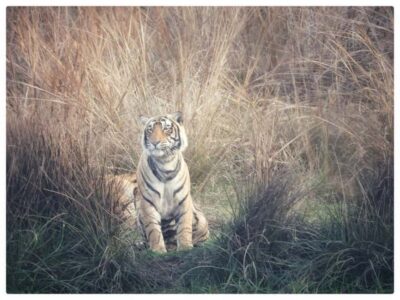 ★ 4.6From Jaipur: Ranthambore National Park Day Trip with SafariFrom $85244 reviews
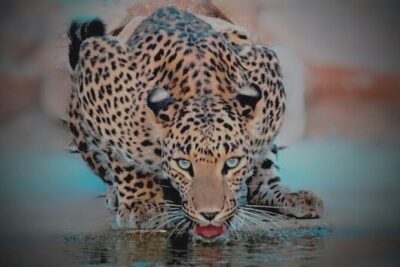 ★ 4.5Jhalana Panther Safari Park Tour in JaipurFrom $45127 reviews
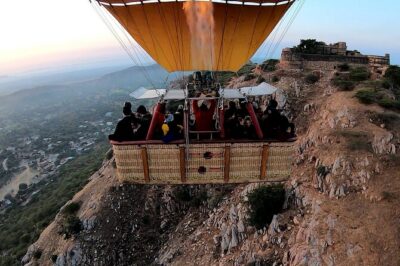 ★ 5.0SkyWaltz Hot Air Balloon SafariFrom $325117 reviews
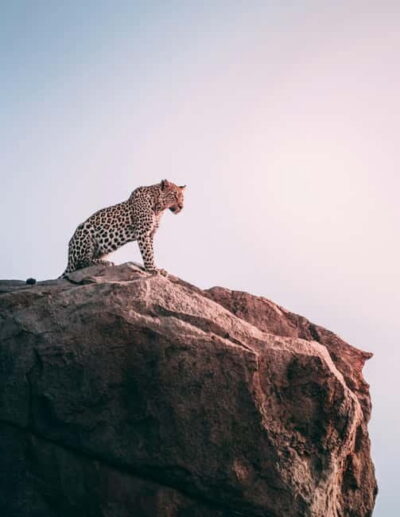 ★ 4.5Jhalana Amagarh Leopard Reserve 4×4 Jeep SafariFrom $6097 reviews
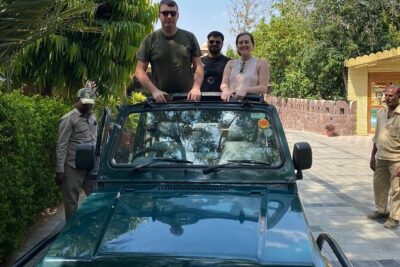 ★ 5.0Ranthambore Tiger Safari from Jaipur – 1 or 2 DaysFrom $3388 reviews
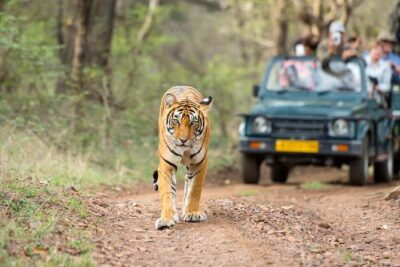 ★ 4.5Ranthambore Tiger Safari Day trip from Jaipur – All InclusiveFrom $4387 reviews
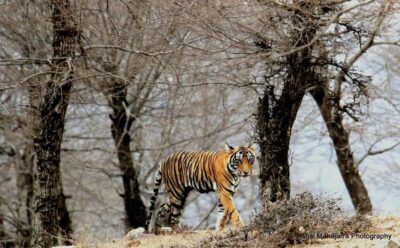 ★ 3.7From Jaipur: One Day Trip to Ranthambore Tiger SafariFrom $10054 reviews
This tour also appears in