
Reviewed · RANTHAMBORE SAFARIS
From Delhi: 6-Day Golden Triangle Tour with Ranthambore
Tigers and monuments in one tight loop. This tour stitches together Taj Mahal sunrise timing and two Ranthambore tiger safaris, with guided visits across Delhi and Jaipur that explain what you’re actually looking at. One thing to factor in: the Taj Mahal is closed every Friday, so your schedule matters.
I also like the way this runs as a private experience with a professional driver and a live guide, so you’re not stuck in a sea of strangers. The pace is steady, but it’s not slow-travel—if you prefer zero early starts, this plan may feel like a lot.
In This Review
- Key things that make this tour worth your time
- The Golden Triangle plus Ranthambore: why this combo works
- Delhi first: Old Delhi, Jama Masjid, Red Fort (outside), and Chandni Chowk
- New Delhi landmarks: India Gate, Rashtrapati Bhawan, Humayun’s Tomb, and Qutub Minar
- Agra transfer day: checking in, then getting ready for the big morning
- Taj Mahal at sunrise: the best light and the closed-on-Friday reality
- The drive to Ranthambore: shifting from monuments to wildlife timing
- Ranthambore safari days: two chances for tigers and what the park can bring
- Jaipur day: Amber Fort, Hawa Mahal views, Jal Mahal, and fort-city photo ops
- The old walled city walking tour: bazaars, spice markets, and guide context
- Private guides and a steady driver: the difference between driving and traveling
- Skip-the-line entry, ticket help, and why it saves your energy
- What you pay for: $183 per person and the value math that matters
- Who this tour fits best
- Should you book this 6-day Golden Triangle with Ranthambore?
- FAQ
- How long is the Golden Triangle with Ranthambore tour?
- What does pickup and drop-off include?
- Are there any days when Taj Mahal is closed?
- Can I skip long lines at the monuments?
- What languages are the guides available in?
- What vehicle will I travel in?
- Is the tour wheelchair accessible, and is it suitable for everyone?
Key things that make this tour worth your time

- Taj Mahal at sunrise (closed on Fridays), which helps you see it when the light is at its best
- Two Ranthambore safaris (an afternoon drive plus an early-morning run) for more chances to spot tigers
- Private, English-speaking guidance plus multilingual guide options (English, Spanish, German, French, Russian, Japanese)
- Skip-the-line entry using a separate entrance, with your guide helping with monument tickets
- Real route coverage: Delhi sights, Agra forts, Jaipur forts and old-city walking
Delhi, Agra and Jaipur strung together
- From Delhi: Private 3-Day Golden Triangle Tour with Hotels
★ 4.9 · 339 reviews - From Delhi: Private 5-Day Golden Triangle Tour
★ 4.9 · 208 reviews - Golden Triangle Tour – Delhi-Agra-Jaipur
★ 5.0 · 73 reviews - 3-Days Golden Triangle’s Private Tour
★ 5.0 · 69 reviews
The Golden Triangle plus Ranthambore: why this combo works

The Golden Triangle is the classic India starter pack for a reason. Delhi gives you layers—old city life, Mughal-era monuments, and the official-looking center that hosts big landmarks. Agra adds the icon: Taj Mahal. Jaipur brings you forts, palaces, and markets that feel like they’ve been doing the same things for a long time.
Then you add Ranthambore, and the whole trip shifts tone. You go from marble and courtyards to tracks and camouflage. You’re aiming for wildlife in Ranthambore National Park, a large reserve where your safari drives can include tigers, leopards, deer, and other animals.
The practical win is that the tour keeps the big sights connected with road travel instead of making you switch plans constantly. You’re not just checking boxes; you’re spending enough time in each place to absorb the vibe, especially with a morning Taj visit and a second safari day.
Delhi first: Old Delhi, Jama Masjid, Red Fort (outside), and Chandni Chowk
Your first day starts with pickup in Delhi and a full sightseeing push that balances “wow” landmarks with the street-level texture of Old Delhi. You’ll visit Jama Masjid, then see Red Fort from the outside (you still get the visual impact without getting bogged down), and end up in Chandni Chowk, one of the most famous bazaars in the area.
What I like about this kind of Old Delhi sequence is the contrast it creates. Jama Masjid gives you scale and symmetry. The Red Fort view helps you place the fort complex in the wider city. Chandni Chowk is where you start noticing how daily life moves—people, food smells, shop counters, and the kind of noise that doesn’t happen in modern districts.
If you want a simple strategy: wear comfy shoes and expect sensory overload. You’ll do a lot of short walks and photo stops. Also, keep water and snacks in mind for breaks, because bazaars don’t always offer the same pacing as a museum.
New Delhi landmarks: India Gate, Rashtrapati Bhawan, Humayun’s Tomb, and Qutub Minar
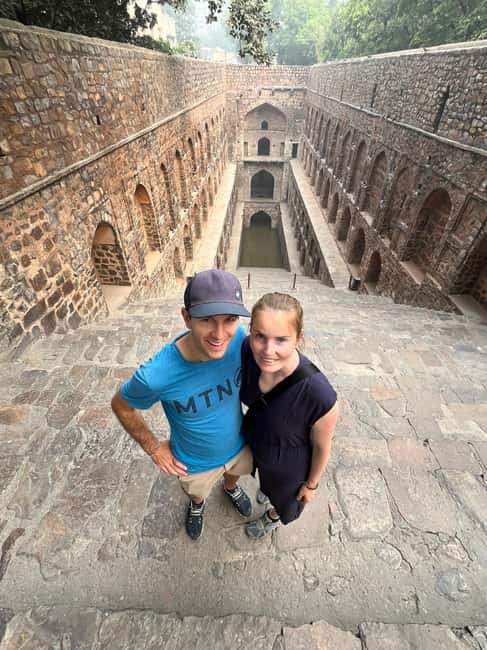
After Old Delhi, the tour shifts to New Delhi. You’ll see India Gate, plus views linked to the administrative center like Rashtrapati Bhawan. Then you head to the Mughal-era side with Humayun’s Tomb and Qutub Minar.
This is the part of the trip that helps you understand how different Delhi sections “tell the story.” Humayun’s Tomb connects to the Mughal architectural style that people associate with Agra later. Qutub Minar is different in feel and age, but it’s still a key piece of the city’s monument map. Seeing these in one day helps you build a mental timeline, even if you’re not studying architecture like it’s a college course.
Your guide also matters here. A good explanation turns these from impressive rocks into meaningful places, like why certain designs show up again and again across the region.
Agra transfer day: checking in, then getting ready for the big morning
Day 1 ends with a drive to Agra and hotel check-in. That matters because the next morning is your Taj Mahal sunrise slot.
Agra at night can feel calmer than the Delhi push you just did. You’ll want to settle in, get an early sleep, and keep your morning plan simple. If you’re the type who needs time to relax, give yourself that time. A sunrise Taj visit is not the day to overschedule extra errands.
Also, the tour uses a separate entrance to help you avoid typical queue hassle. Your guide supports getting entrance tickets, which means less standing and more time focusing on the monument.
Tiger country: more Ranthambore mornings
Taj Mahal at sunrise: the best light and the closed-on-Friday reality
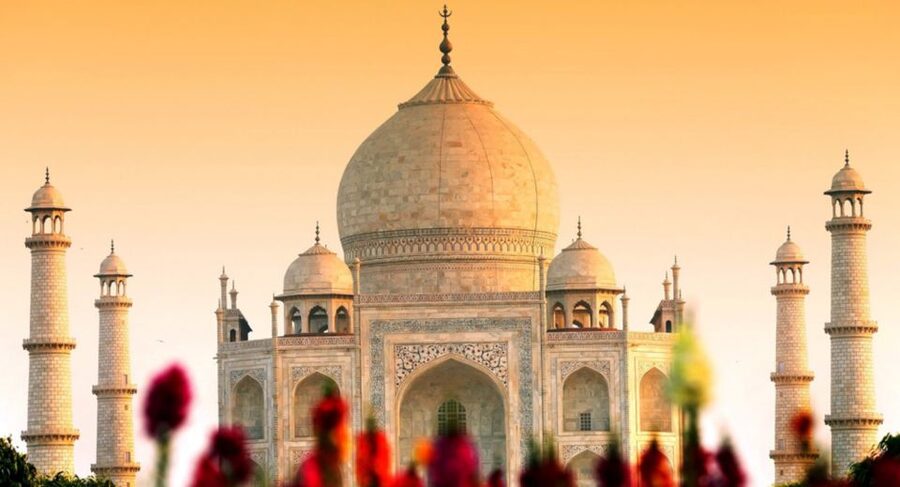
This is the headliner. You’ll visit Taj Mahal at sunrise, and it’s built by Emperor Shah Jahan for his wife, Mumtaz Mahal.
Why sunrise is a big deal: you’re not just chasing a famous view. You’re catching the monument when the air and lighting are often kinder for photos and when crowds tend to be less chaotic. The Taj can look different depending on when you see it—sunrise tends to make the whole experience feel more cinematic and less rushed.
One practical drawback: the Taj Mahal is closed every Friday. If your dates include a Friday, your plan needs to adjust, or you could end up with a replacement site rather than the main event. Before you lock in travel dates, double-check the day-of-week match.
After the Taj, you’ll visit Agra Fort. This is the kind of stop that balances the sweetness of the Taj with the harder, fortress feel of Agra’s power center. Even if you’re not a history buff, fort walls help you understand the city’s strategic importance.
The drive to Ranthambore: shifting from monuments to wildlife timing

On day 3, you head to Ranthambore and check in at your hotel. After lunch, you do your evening tiger safari in Ranthambore National Park.
This part of the tour is about transitions. You’re leaving the “structured” world of monuments and stepping into an animal-driven schedule. The timing is different: wildlife doesn’t follow a timetable, and you’ll be reading the park from the vehicle while everyone waits for sightings.
That said, having both an afternoon safari and a morning safari is a smart choice. You get more opportunities because animals move and react to daylight and temperature patterns. The tour structure gives you that second try, which is the difference between one “maybe” and a more serious effort.
Ranthambore safari days: two chances for tigers and what the park can bring

Ranthambore safaris are what you came for, and the tour gives you two drives total: one afternoon and one early morning.
The park is known for tigers, but the tour info also points out other wildlife you might see, including leopards and deer. That’s important because it reminds you that even if the tiger moment doesn’t happen immediately, the safari is still about watching the ecosystem work. Birds, tracks, and animal behavior can be interesting on their own.
From a practical point of view, listen to your English-speaking safari guide. He’ll be helping with wildlife spotting and explaining the patterns you’re seeing. Your seat time matters, so bring sunglasses and something light to manage sun and dust.
The overall value here is simple: you’re paying for access to the park experience and professional guidance, not just a long drive. Two safari days make it more than a quick detour.
Jaipur day: Amber Fort, Hawa Mahal views, Jal Mahal, and fort-city photo ops

Day 5 is your full Jaipur sightseeing day, with a mix of major monuments and that classic photo-stop rhythm. You’ll visit Amber Fort, with an optional elephant ride available. You’ll also stop for photos at Jal Mahal and Hawa Mahal, then explore City Palace and Jantar Mantar.
Here’s how I’d think about these stops. Amber Fort is the heavy hitter—big views, strong architecture, and the feeling of stepping into a royal stronghold world. Jal Mahal and Hawa Mahal are more about shape and skyline impressions. They’re quick hits that help you understand Jaipur’s style at a glance.
City Palace and Jantar Mantar add the “why” behind the aesthetics. Jantar Mantar, in particular, is a reminder that historical sites weren’t just for looks; they also served practical scientific purposes. If you like that kind of connection, you’ll enjoy the way the day builds from fort spectacle into more functional heritage.
If you’re considering the elephant ride: treat it as optional, not mandatory. It’s offered, but you’re still going to get the core Amber Fort experience even without it.
The old walled city walking tour: bazaars, spice markets, and guide context

After your main monument stops, you’ll join a guided walking tour through the old walled city. You’ll pass through colorful bazaars and spice markets.
I like walking tours here because you start learning the “human geography” of Jaipur—where people shop, where movement funnels, and what items are common. Even if you don’t buy anything, you’ll come away with a better sense of how the old city functions day to day.
Your guide makes a difference. A good guide won’t just point at sights; they’ll explain how the old-city layout connects to the forts and markets. That’s the part that turns a stroll into something memorable.
Private guides and a steady driver: the difference between driving and traveling
This tour is set up as a private group, with private professional guide, driver, and taxi. That structure changes the whole feel of the trip.
When it works, it means fewer delays and more time for your actual interests. You’re not waiting for strangers to finish a photo. You’re also not stuck translating on your own. In recent bookings, guides such as Amir in Delhi, Ar Rhman around the Taj area, and Soni in Jaipur are specifically mentioned, along with a driver named Satish staying with the group across the six days. That kind of continuity is underrated. It reduces friction when you’re moving fast.
Language support is another big practical strength. The live guide is available in English, Spanish, German, French, Russian, and Japanese. Safari guide is stated as English-speaking, so if you rely on English clarity for wildlife explanations, you should feel comfortable.
Skip-the-line entry, ticket help, and why it saves your energy
One of the most helpful small details here is skip the line through a separate entrance plus guide support for monument tickets. For busy sites like the Taj Mahal and major forts, waiting can drain the best part of your day.
When a guide helps you buy entrance tickets, you’re spending time on the monument itself rather than on admin. That matters most on days where you also do long drives. This tour’s value isn’t just that it hits famous places. It’s that it tries to keep your day from collapsing into paperwork and queue time.
What you pay for: $183 per person and the value math that matters
At $183 per person for six days, you’re buying more than sightseeing. You’re paying for a complete route plan across Delhi, Agra, Jaipur, and Ranthambore, plus two safari experiences, plus private guide and private transport between cities.
The big “value” factors you should notice:
- Two Ranthambore drives (not just one)
- Taj Mahal at sunrise
- Private, guided access with ticket help and separate entrance to reduce queue time
- Door-to-door Delhi pickup and drop-off (from any Delhi location or the airport)
Where value can change for you:
- Hotel quality can vary by booking conditions. The data also notes rooms are generally twin-sharing, so if you’re traveling as a group of three and want two rooms, there can be an additional charge.
- Dates around Christmas or New Year can include mandatory gala dinner charges at an extra cost from 24th December to 05th January, per hotel policy.
If you want the best deal, I’d do two things: confirm your room setup (twin-sharing vs. how triple-sharing works) and match your travel day to the Friday closure for the Taj.
Who this tour fits best
This is a great fit if you want:
- The classic Golden Triangle big hitters plus real wildlife time in Ranthambore
- A private setup where your guide can pace things around your questions
- Someone else handling transport and tickets so you can focus on seeing
It’s not for everyone. The tour is stated as not suitable for pregnant women. Also, because you’ll do early mornings and long drives, it may not suit travelers who need a slow, low-movement schedule.
You’ll likely love it most if you’re comfortable with early starts and you enjoy learning context, not just snapping photos.
Should you book this 6-day Golden Triangle with Ranthambore?
I’d book it if you want a tight, efficient route that mixes iconic monuments with a serious safari effort. Two safari days and a sunrise Taj visit are the kind of add-ons that often cost extra when you try to build the trip yourself.
Before you hit reserve, check these practical points:
- Your dates: Taj Mahal is closed Fridays
- Your room preference: twin-sharing is the default, triple arrangements can affect whether you get one or two rooms
- Your comfort with early starts and road travel between cities
If those match your style, this tour is a solid value for a first-time India visitor or anyone who wants the highlights without turning the trip into a logistics project.
FAQ
How long is the Golden Triangle with Ranthambore tour?
It runs for 6 days.
What does pickup and drop-off include?
Pickup and drop-off are included in Delhi, either from any location or from the Delhi airport.
Are there any days when Taj Mahal is closed?
Yes. The Taj Mahal is closed every Friday.
Can I skip long lines at the monuments?
Yes. The tour includes skip-the-line entry using a separate entrance, and your guide helps with entrance tickets.
What languages are the guides available in?
The live tour guide is available in English, Spanish, German, French, Russian, and Japanese. The Ranthambore safari guide is described as English-speaking.
What vehicle will I travel in?
For 1 to 2 people, it’s a 4-seater sedan. For 3 to 4 people, it’s a 6-seater MPV. For 5 to 10 people, it’s a minivan.
Is the tour wheelchair accessible, and is it suitable for everyone?
The tour is listed as wheelchair accessible. It is also stated as not suitable for pregnant women.
North to Delhi
- Golden Triangle & Ranthambore: 4-Day Private Tour from Delhi★ 5.0 · 355 reviews
- From Delhi: Private 3-Day Golden Triangle Tour with Hotels★ 4.9 · 339 reviews
- From Delhi: Private 5-Day Golden Triangle Tour★ 4.9 · 208 reviews
- Same Day Jaipur Tour from Delhi by Car or Train★ 5.0 · 87 reviews
- From Delhi: Private Jaipur & Amber Fort Guided Tour by Car★ 4.8 · 84 reviews
- Golden Triangle Tour – Delhi-Agra-Jaipur★ 5.0 · 73 reviews
Tiger Trails: More Ranthambore
- Golden Triangle & Ranthambore: 4-Day Private Tour from Delhi★ 5.0 · 355 reviews
- From Jaipur: Ranthambore National Park Day Trip with Safari★ 4.6 · 244 reviews
- Jhalana Panther Safari Park Tour in Jaipur★ 4.5 · 127 reviews
- SkyWaltz Hot Air Balloon Safari★ 5.0 · 117 reviews
- Jaipur: Jhalana Amagarh Leopard Reserve 4×4 Jeep Safari★ 4.5 · 97 reviews
- Ranthambore Tiger Safari from Jaipur – 1 or 2 Days★ 5.0 · 88 reviews
The Golden Triangle, End to End
- Golden Triangle & Ranthambore: 4-Day Private Tour from Delhi★ 5.0 · 355 reviews
- From Delhi: Private 3-Day Golden Triangle Tour with Hotels★ 4.9 · 339 reviews
- From Delhi: Private 5-Day Golden Triangle Tour★ 4.9 · 208 reviews
- Golden Triangle Tour – Delhi-Agra-Jaipur★ 5.0 · 73 reviews
- 3-Days Golden Triangle’s Private Tour★ 5.0 · 69 reviews
- Private 6-Day Golden Triangle Tour: Delhi, Agra, Jaipur by Car★ 5.0 · 60 reviews
Newly Added Jaipur Reviews





More from Ranthambore Safaris.
 ★ 5.0Golden Triangle & Ranthambore: 4-Day Private Tour from DelhiFrom $215355 reviews
 ★ 4.6From Jaipur: Ranthambore National Park Day Trip with SafariFrom $85244 reviews
 ★ 4.5Jhalana Panther Safari Park Tour in JaipurFrom $45127 reviews
 ★ 5.0SkyWaltz Hot Air Balloon SafariFrom $325117 reviews
 ★ 4.5Jhalana Amagarh Leopard Reserve 4×4 Jeep SafariFrom $6097 reviews
 ★ 5.0Ranthambore Tiger Safari from Jaipur – 1 or 2 DaysFrom $3388 reviews
 ★ 4.5Ranthambore Tiger Safari Day trip from Jaipur – All InclusiveFrom $4387 reviews
 ★ 3.7From Jaipur: One Day Trip to Ranthambore Tiger SafariFrom $10054 reviews
This tour also appears in