
Reviewed · GOLDEN TRIANGLE TOURS FROM JAIPUR
Explore Private Tour The Golden Triangle Done Differently
This Golden Triangle tour comes with a real plan. It’s built around a private guide and flexible pacing, so you can focus on what you actually want to see between Delhi, Agra, and Jaipur. You’ll still hit the big-name icons, but you’ll also spend time where the crowds usually speed past.
One thing I like: the way Raju runs the trip like a calm, confident host. Pickup is included, the driving is handled well, and the stories and planning around each stop help you feel safe and taken care of. Another standout: breakfast is included for 7 mornings, which makes the daily flow easier to manage.
The main consideration is cost drift: lunch and dinner aren’t included, so you’ll be budgeting meals each day. Also, accommodation starts at a base level in Delhi (Red Fox), with upgrades possible if you want something nicer.
In This Review
- Quick take: what makes this Golden Triangle done differently
- Why this Golden Triangle feels more personal than a checklist
- Day 1 and 2 in Delhi: Lodhi Garden calm and Lotus Temple beauty
- New Delhi on Day 1: simple, low-stress start
- Day 2: Lodhi Garden, Lotus Temple, and Humayun’s Tomb
- Day 3 and 4 in Agra: the Baby Taj + Black Taj stories before the main event
- Itimad-ud-Daulah, the Baby Taj (Day 3)
- The Black Taj (Tomb of Shah Nawaz Khan): myth vs. what’s true
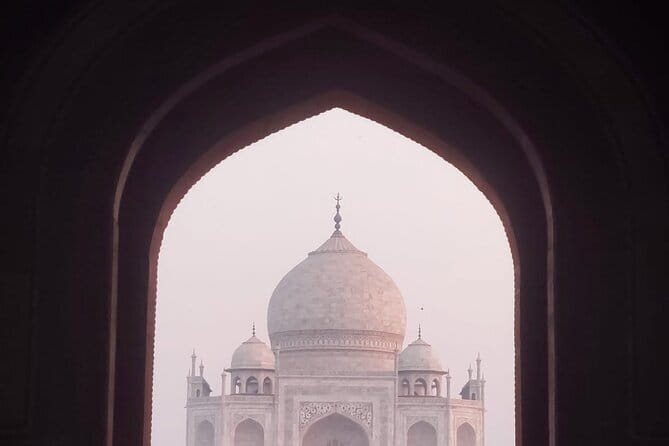
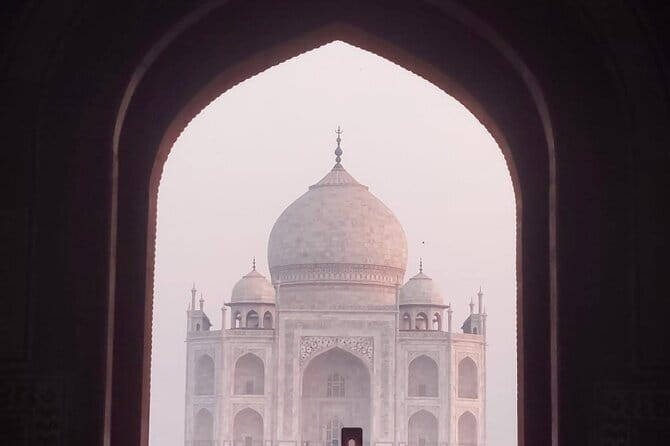
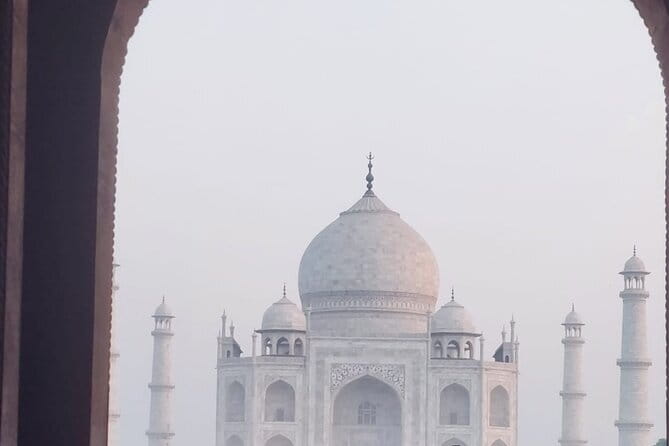
- Taj Mahal Day 4: tickets included and a photo spot
- Day 5 on the way to Jaipur: Fatehpur Sikri + Jodha Bai’s palace + Abhaneri stepwell
- Fatehpur Sikri: the Victory Gate
- Jodha Bai’s Palace in Fatehpur Sikri
- Abhaneri: the 8th-century stepwell break
- Day 6 in Jaipur: Galtaji Monkey Temple, Gaitore cenotaphs, and time for your wish list
- Galtaji Temple (Monkey Temple): water in the stone
- Gaitore Ki Chhatriyan: royal cenotaphs
- Jaipur arrival with built-in personal time
- Day 7 in Jaipur: City Palace, Water Palace sunset views, and Amber Fort
- City Palace of Jaipur: admission included
- Water Palace (summer residence): lunch or sunset plan
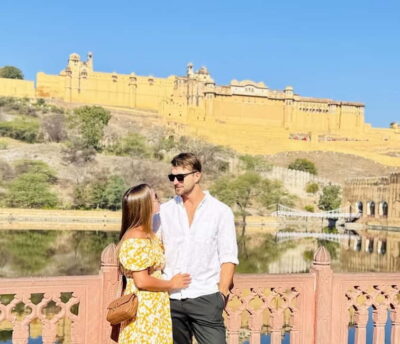
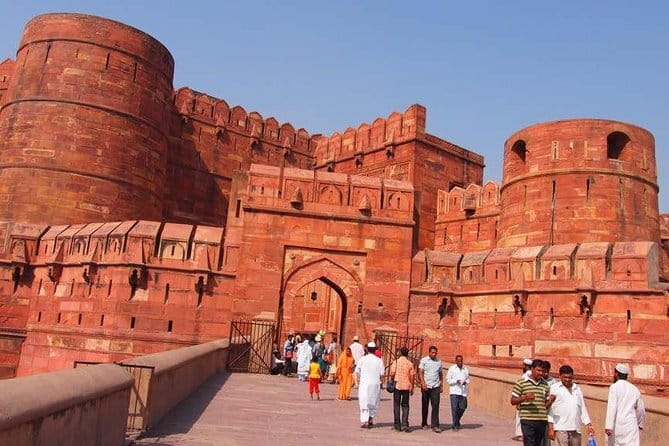
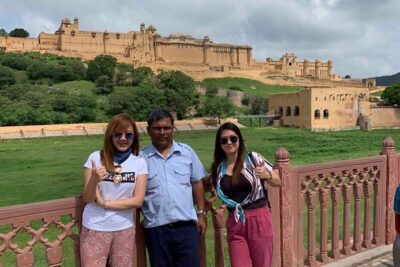
- Amber Fort: ramparts, gates, and cobbled streets
- Shopping and relaxing time in Jaipur
- Pricing and what you really get for $224.71 per person
- The guide factor: why Raju’s style matters on a Golden Triangle trip
- Who should book this tour (and who might want to adjust expectations)
- Should you book this Private Tour The Golden Triangle Done Differently?
- FAQ
- How long is the Golden Triangle tour?
- Where does the tour start and how is pickup handled?
- Is this tour private?
- Are admissions included for the major sights?
- Is breakfast included?
- Are lunch and dinner included?
- What accommodation is included in Delhi?
- What sights are included across Delhi, Agra, and Jaipur?
- What fitness level do I need?
- What is the cancellation policy?
Quick take: what makes this Golden Triangle done differently
- A private guide in a car that keeps you moving without losing the story behind each site
- Iconic sights plus off-the-main-path moments, like Lodhi Garden and the Abhaneri stepwell
- Built-in narrative stops, including the myth-versus-truth Black Taj conversation
- Breakfast included for 7 days, so mornings run smoother
- Time for your wish list and shopping, not just museum-stop marathon mode
Delhi, Agra and Jaipur strung together
- From Delhi: Private 3-Day Golden Triangle Tour with Hotels
★ 4.9 · 339 reviews - From Delhi: Private 5-Day Golden Triangle Tour
★ 4.9 · 208 reviews - Golden Triangle Tour – Delhi-Agra-Jaipur
★ 5.0 · 73 reviews - 3-Days Golden Triangle’s Private Tour
★ 5.0 · 69 reviews
Why this Golden Triangle feels more personal than a checklist
Most Golden Triangle trips feel like a set of knockouts: photo, ticket, rush to the next place. This one is different because it’s private, so the guide can adjust to your comfort level and the things you care about most. If you want more explanation at a tomb, a slower pace at Amber Fort, or extra time shopping for Jaipur crafts, the format is set up for that kind of tailoring.
You also get a guide who treats the day like a whole system, not just a series of monuments. That matters in India because timing, transport, and crowd flow can make or break the experience. The result is a trip that feels controlled: you’re not constantly negotiating taxis, finding the entrance, or wondering what to do next.
And yes, the driving and logistics matter. Several past clients highlighted Raju’s punctuality, courteous style, and a spotless car, plus the practical advantage of knowing the routes through busy areas. When you’re hopping between Delhi, Agra, and Jaipur, fewer surprises in transit means more energy for the sights.
Day 1 and 2 in Delhi: Lodhi Garden calm and Lotus Temple beauty
The tour starts in Delhi with pickup—especially helpful if you land in the evening. That first transfer is one of those small things you’ll feel later, because it gives you time to recover from travel instead of losing your first hours to navigation.
New Delhi on Day 1: simple, low-stress start
On the first day, you’ll be taken from the airport to your Delhi accommodation. If you’re joining from another tour, the meeting point is arranged so you still get a smooth handoff. This is a good setup if you want to avoid the awkward first-day chaos.
Day 2: Lodhi Garden, Lotus Temple, and Humayun’s Tomb
Day two is about contrasts: greenery, modern faith architecture, then Mogul-era grandeur.
- Lodhi Garden is a “well-kept secret” type of stop: 90 acres of greenery right in the city. It’s a refreshing reset after travel days, and it gives you breathing room before the larger monument days. Admission is free, which also makes it a practical win.
- Lotus Temple (Baha’i temple) is included with admission, and it’s famous for that flower-like form. A key detail here is the welcoming approach: all faiths are welcome. If you like architecture that feels clean and modern, it’s an easy place to enjoy without needing a deep background lecture.
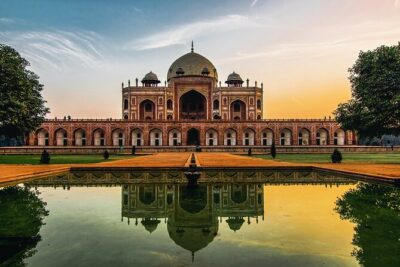
- Humayun’s Tomb follows with admission included. Built in the 1500s, it’s an engineering and design milestone, and it’s known as the second Mughal emperor’s tomb. The guide-led focus helps you notice what makes this site a precursor to later Mughal tomb design.
A small planning note: Day 2 includes two ticketed monuments plus a garden. If you’re sensitive to walking in the heat, wear comfortable shoes and plan for some indoor-outdoor time.
One car, your group, your pace
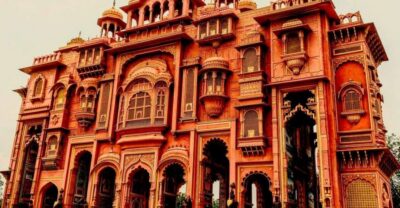
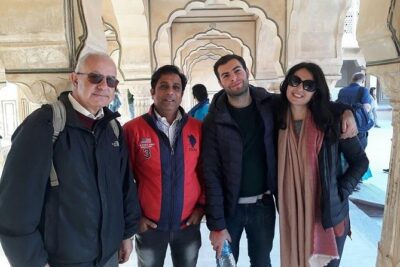

Day 3 and 4 in Agra: the Baby Taj + Black Taj stories before the main event
Agra can feel like a “big ticket only” destination, but this tour does it with a smarter sequence. You start with tombs that many first-time plans skip, which makes the Taj Mahal feel earned instead of rushed.
Itimad-ud-Daulah, the Baby Taj (Day 3)
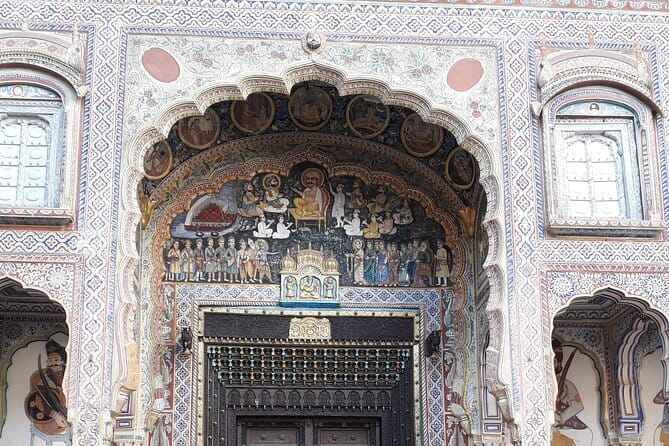
Day three begins with Itimad-ud-Daulah, often called the Baby Taj. It’s included with admission, and it’s tied to the widow’s request for its construction in the early 1600s. What I like about starting here is the tone: smaller scale, lots of detail, and a chance to slow down before the world-famous final boss.
You’ll get the kind of guide storytelling that helps you read what you’re seeing instead of just photographing it.
The Black Taj (Tomb of Shah Nawaz Khan): myth vs. what’s true
Right after that comes the Black Taj stop across the river, with admission included. The tour is built around the conversation of myth and truth, and the idea is that you listen closely, then decide what you think after the explanation. That’s a fun way to turn a tomb visit into something interactive, not just a static view.
The practical upside: this stop can break the monotony. Instead of another “same shape, different location” photo session, you’re dealing with a story and a debate.
Taj Mahal Day 4: tickets included and a photo spot
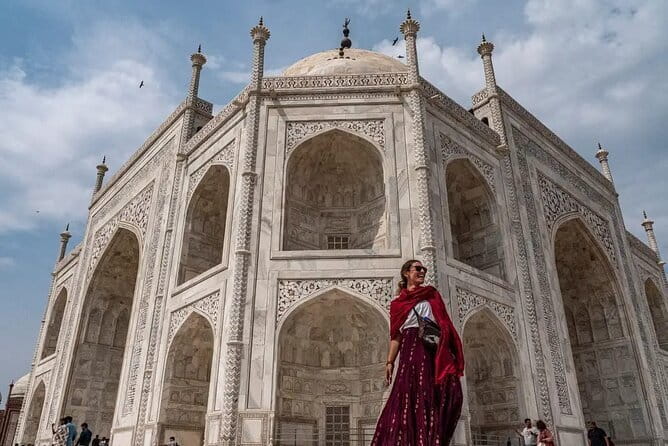
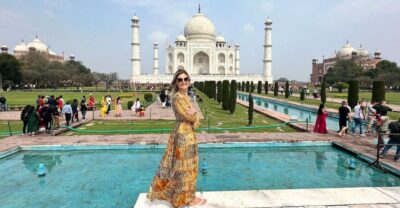
Then you get the Taj Mahal, admission included. The visit includes a chance to get a photo taken on the Diana seat, a reference to a famous viewing spot associated with Princess Diana. If you want that connection without hunting around yourself, this is exactly the kind of local tip that saves time.
Expect a lot of people, but the guide’s pacing can help you enjoy the monument rather than only fight for angle and sunlight. Two hours is a solid window for a first-time Taj visit, as long as you don’t try to see everything at once.
Day 5 on the way to Jaipur: Fatehpur Sikri + Jodha Bai’s palace + Abhaneri stepwell
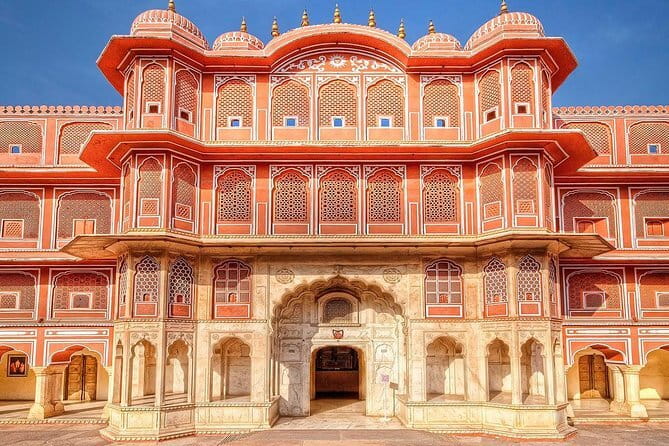
The day after Agra shifts from tombs and marble to forts, gates, and everyday stone engineering. This is where the itinerary gets more “Rajasthan-flavored,” even before you reach Jaipur.
Fatehpur Sikri: the Victory Gate
Day five includes Fatehpur Sikri with a focus on the spectacular Victory Gate. Admission is listed as free for this stop. It’s a good inclusion because it’s iconic in a different way than the Taj: less about a single grand romance, more about power, architecture, and historical design.
Jodha Bai’s Palace in Fatehpur Sikri
Next is Jodha Bai’s Palace with admission included. It’s described as the largest palace there, with a fusion of Hindu and Persian architecture. The red sandstone and the 1569 construction date are part of the story, and the guide-led time helps you connect the physical design to the cultural mixing.
If you like architecture, this is a calmer day than some full-power monument days. You can enjoy the details without the intense “everyone is photographing at once” energy.
Abhaneri: the 8th-century stepwell break
Then comes Abhaneri, a shorter stop focused on an 8th-century stepwell. Admission is free here, and the stop is listed for about 30 minutes. This is a great time trade: you get one of Rajasthan’s cool structural surprises without burning the entire day.
The stepwell is the kind of place where you start noticing lines, symmetry, and how water shapes design. And because the stop is short, you won’t feel stuck if you prefer more time elsewhere.
Day 6 in Jaipur: Galtaji Monkey Temple, Gaitore cenotaphs, and time for your wish list
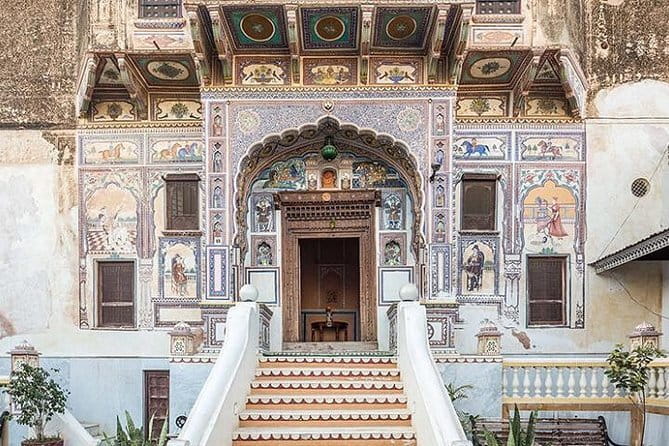
Day six is where Jaipur starts to feel like Jaipur, not just a stop between other cities. The sequence mixes spirituality, royal memory, and practical free time so you can shop or find something specific.
Galtaji Temple (Monkey Temple): water in the stone
Day six includes Galtaji Temple, admission included. It’s also known as the Monkey Temple, and the key detail is the sacred spring water that flows through narrow crevices into pools and water tanks where pilgrims bathe. Temples built around that flow turn it into both a spiritual stop and a design feature.
If you don’t like animals, just be aware the name is literal: monkeys are part of the scene. If you do like them, it’s oddly charming in a watch-and-learn way.
Gaitore Ki Chhatriyan: royal cenotaphs
Then you head to Gaitore Ki Chhatriyan, the cenotaphs for Jaipur’s royal kings and queens, with admission included. This stop is a good change of pace from the crowded fortress feeling. It’s more about the quieter memorial atmosphere and the royal legacy carved into architecture.
Jaipur arrival with built-in personal time
The afternoon adds free time (admission free) focused on “hidden things,” plus a moment to review your wish list for special items to take home or to see something made. This is one of the most useful parts of the whole trip.
A lot of tours give you shopping time only at the end, when you’re tired. Here, you get it while your energy is still decent, and you can ask for help finding what matters to you.
Day 7 in Jaipur: City Palace, Water Palace sunset views, and Amber Fort
Day seven stacks three of Jaipur’s signature experiences: palace interiors, royal summer residence views, and the big fortress.
City Palace of Jaipur: admission included
You start with the City Palace of Jaipur, with admission included. It’s listed as a two-hour visit, which is enough time to appreciate the scale without turning it into a “rush through rooms” affair. If you’re into how royal power translated into buildings and spaces, this is one of your best windows.
Water Palace (summer residence): lunch or sunset plan
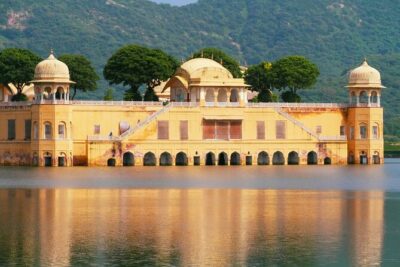
Next comes a stop described as the Water Palace, also known as the royal family’s summer residence. The plan is to see it while having lunch or watching the sunset. Admission isn’t explicitly listed for this exact stop, but the description is clear about the vibe: it’s a viewpoint moment tied to a break.
This is also a smart rhythm choice. After a palace interior, you get a softer, more atmospheric moment.
Amber Fort: ramparts, gates, and cobbled streets
Finally, you visit Amber Fort with admission included. You’ll spend about two hours there, with ramparts, several gates, and cobbled streets. This is one of those places where you’ll want good shoes and some patience for stairs and uneven ground.
Amber Fort works best when you don’t rush. If you try to see it like a checklist, you miss the way the fortress layout controls movement and views.
Shopping and relaxing time in Jaipur
After Amber Fort, the schedule includes additional Jaipur time for shopping and relaxing (admission free) for about three hours. That’s a helpful buffer. It means if you loved something from earlier, you can revisit it, and if you didn’t, you aren’t trapped with one last chance.
Pricing and what you really get for $224.71 per person
At $224.71 per person for an approximately 8-day private tour, the value depends on how you travel. If you split the cost among a small group and prefer private guidance over bus tours, this can be a strong deal.
Here’s what’s clearly included:
- Breakfast for 7 mornings
- Pickup (starting in Delhi and handled around your arrival and end)
- A private format where only your group participates
- A mobile ticket option
- Admission tickets are included for many listed monuments, while some stops are free
And here’s what’s not included:
- Lunch and dinner each day
- Dinner is explicitly not included
So the real cost question is meal planning. If you like eating well (and you will in India), budget extra cash for lunch and dinner. But the trade is flexibility: each night you can pick dining that fits your tastes instead of being locked into a fixed meal plan.
Accommodation starts at Red Fox in Delhi as a minimum standard, with the option to negotiate a step up. If you’re picky about hotels, ask early about upgrades, since that can change how comfortable your nights feel after big daytime visits.
The guide factor: why Raju’s style matters on a Golden Triangle trip
A Golden Triangle route can be stunning and still feel stressful if the guide is only reading off plaques. What repeatedly comes through in people’s experiences with Raju’s Private Tours is a combination of driving confidence, punctual care, and real cultural explanation.
A few specific qualities matter for you:
- Safety and calm control on the road, especially in crowded areas
- Local contacts that can steer you toward places to eat, shop, or see something beyond the obvious
- Attention to what you want, not just what a standard itinerary forces
One review detail I’d treat as a practical promise: multiple people talk about Raju as both a driver and a guide, with a spotless car and knowing the way through busy zones. When that’s reliable, you spend less mental energy on logistics and more on noticing what you’re seeing.
There’s also a flexible spirit in the way he handles different group needs. If you’re traveling with specific interests, preferences, or a particular travel rhythm, the private format plus this approach can make the trip feel built around you.
Who should book this tour (and who might want to adjust expectations)
This is a good match if:
- You want a private Golden Triangle tour with hands-on guidance
- You care about more than photo stops and want explanations tied to the buildings and stories
- You prefer breakfast included and a plan that still leaves room for shopping and choice
- You’re comfortable with a moderate physical fitness level (some forts and walking)
You might want to think twice if:
- You hate planning meals outside the tour fee, since lunch and dinner aren’t included
- You expect every site to be a long, slow, spend-all-day experience (some stops are brief by design, like Abhaneri’s 30 minutes)
Should you book this Private Tour The Golden Triangle Done Differently?
If you’re taking your first serious trip to India and you want the classic route without the classic chaos, I’d book it. The biggest reason is simple: the private guide approach turns Delhi, Agra, and Jaipur into a smoother story with less friction.
It’s also a smart choice if you like balancing famous landmarks with a few stops that feel less tourist-driven, like Lodhi Garden, Galtaji’s water-and-temple flow, and the Abhaneri stepwell. Those are the moments that help a Golden Triangle trip feel personal, not generic.
Just go in with two mindset checks: plan for lunch and dinner costs, and confirm whether you want an accommodation step up from Red Fox in Delhi. Get those right, and this tour can deliver exactly what most people hope for from India’s triangle—big icons, plus the kind of guidance that helps you actually enjoy the day.
FAQ
How long is the Golden Triangle tour?
The tour is listed as approximately 8 days.
Where does the tour start and how is pickup handled?
It starts in New Delhi. If your flight arrives in the evening, the guide will collect you from the airport and drive you to your Delhi accommodation. If you are joining from another tour, a suitable meeting place is arranged.
Is this tour private?
Yes. It’s a private tour/activity, and only your group participates.
Are admissions included for the major sights?
Admissions are included for several stops (for example, Lotus Temple, Humayun’s Tomb, Itimad-ud-Daulah, Black Taj, Taj Mahal, and others listed with admission included). Some stops are listed as free. The exact mix depends on each day’s stops.
Is breakfast included?
Yes. Breakfast is included for 7 mornings.
Are lunch and dinner included?
No. Lunch and dinner are not included in the tour fee.
What accommodation is included in Delhi?
The base level accommodation in Delhi is listed as Red Fox. A step up may be negotiated if you prefer something nicer.
What sights are included across Delhi, Agra, and Jaipur?
Key stops include Lodhi Garden, Lotus Temple, Humayun’s Tomb, Itimad-ud-Daulah, the Black Taj, the Taj Mahal, Fatehpur Sikri (Victory Gate), Jodha Bai’s Palace, Abhaneri stepwell, Galtaji Temple, Gaitore Ki Chhatriyan, City Palace of Jaipur, Water Palace, and Amber Fort.
What fitness level do I need?
The tour notes a moderate physical fitness level. Some sites involve walking and steps, especially around fort areas.
What is the cancellation policy?
Free cancellation is available. You can cancel up to 24 hours in advance for a full refund. If you cancel less than 24 hours before the experience starts, the amount paid will not be refunded.
More Jaipur Tours to Compare
- Jaipur: Private Full Day Sightseeing Tour By Car with Guide★ 4.9 · 1,839 reviews
- 3-Hour Morning Bike Tour of Jaipur★ 5.0 · 1,253 reviews
- Jaipur: Private Sightseeing Day Tour with Guide by Car★ 4.8 · 773 reviews
- Jaipur: Full-Day City Tour with Car, Guide & Skip-the-Line★ 4.8 · 512 reviews
- Full-Day Jaipur Private Sightseeing Tour by Car with Guide★ 5.0 · 472 reviews
- Pink City Cooking Class★ 5.0 · 452 reviews
Just Your Group: Private Jaipur Days
- Jaipur: Private Full Day Sightseeing Tour By Car with Guide★ 4.9 · 1,839 reviews
- Jaipur: Private Sightseeing Day Tour with Guide by Car★ 4.8 · 773 reviews
- Full-Day Jaipur Private Sightseeing Tour by Car with Guide★ 5.0 · 472 reviews
- Private Full Day Jaipur Sightseeing Tour By Tuk Tuk★ 5.0 · 382 reviews
- Private Guided Half Day Tour Jaipur★ 5.0 · 371 reviews
- Golden Triangle & Ranthambore: 4-Day Private Tour from Delhi★ 5.0 · 355 reviews
The Golden Triangle, End to End
- Golden Triangle & Ranthambore: 4-Day Private Tour from Delhi★ 5.0 · 355 reviews
- From Delhi: Private 3-Day Golden Triangle Tour with Hotels★ 4.9 · 339 reviews
- From Delhi: Private 5-Day Golden Triangle Tour★ 4.9 · 208 reviews
- Golden Triangle Tour – Delhi-Agra-Jaipur★ 5.0 · 73 reviews
- 3-Days Golden Triangle’s Private Tour★ 5.0 · 69 reviews
- Private 6-Day Golden Triangle Tour: Delhi, Agra, Jaipur by Car★ 5.0 · 60 reviews
Newly Added Jaipur Reviews


More from Golden Triangle Tours from Jaipur.
 ★ 5.0Golden Triangle & Ranthambore: 4-Day Private Tour from DelhiFrom $215355 reviews
 ★ 4.9From Delhi: Private 3-Day Golden Triangle Tour with HotelsFrom $93339 reviews
 ★ 4.9From Delhi: Private 5-Day Golden Triangle TourFrom $191208 reviews
Golden Triangle Tour – Delhi-Agra-JaipurFrom $32273 reviews
★ 4.9From Delhi: Private 5-Day Golden Triangle TourFrom $191208 reviews
Golden Triangle Tour – Delhi-Agra-JaipurFrom $32273 reviews
 ★ 5.03-Days Golden Triangle’s Private TourFrom $34269 reviews
 ★ 5.0Private 6-Day Golden Triangle Tour: Delhi, Agra, Jaipur by CarFrom $21560 reviews
 ★ 5.0Golden Triangle ToursFrom $34347 reviews
 ★ 4.6From Delhi: Private 4-Day Golden Triangle Tour with PickupFrom $12338 reviews
This tour also appears in