

Reviewed · TAJ MAHAL & AGRA DAY TRIPS
4 Day Golden Triangle Tour to Agra and Delhi From Jaipur
Golden Triangle magic, scheduled with calm precision. This 4-day route from Jaipur to Agra and Delhi is built for first-time visitors who want major sights without doing the logistics shuffle. I like that you get a private, air-conditioned car plus guided stops that explain what you’re actually looking at.
Two things I really like: the sunrise Taj Mahal visit with a guided interior tour, and the fact that your days are stitched together in a streamlined way, with hotel breakfast each morning. One drawback to plan for is that monument entrance fees are not included, listed as about $60 per person, so you’ll still budget for that even though most of the touring is handled.
In This Review
- Key Highlights You’ll Feel on This Tour
- How a Jaipur–Agra–Delhi Loop Fits Into Four Days
- Day 1 in Jaipur: Fort Views, City Palace, and Jantar Mantar
- Amber Palace (Amer Fort): The big hilltop stop
- Jal Mahal: A palace sitting in the lake
- Jantar Mantar: Jaipur’s astronomical tool-kit
- City Palace and Hawa Mahal-area views
- End of Day 1: Transfer to your Jaipur hotel
- Day 2: Chand Baori and Fatehpur Sikri on the way to Agra
- Chand Baori stepwell: 3,500 steps of geometry and engineering
- Fatehpur Sikri: Mughal city ruins with landmark scale
- Arrival in Agra: Hotel check-in and reset
- Day 3: Sunrise Taj Mahal, Agra Fort, and the Baby Taj
- Taj Mahal at first light
- Agra Fort: Mughal power outside the postcard view
- Itmad-ud-Daula (the Baby Taj): smaller, detailed, satisfying
- Evening in Agra
- Day 4 in Delhi: Qutub Minar, India Gate, and Parliament-adjacent viewpoints
- Qutub Minar: UNESCO scale with architectural payoff
- India Gate: the ceremonial axis vibe
- Rashtrapati Bhavan and Sansad Bhavan area
- Agrasen ki Baoli: a lower-key Delhi classic
- Price and Value: What $174.01 Includes and What You Still Pay
- Pace, Rooms, and the Real-Life Comfort Factors That Matter
- Car time and transfer timing
- Hotel setup: twin-sharing by default
- The human touch: driver and guide support
- Should You Book the 4 Day Golden Triangle Tour From Jaipur?
Key Highlights You’ll Feel on This Tour

- Private door-to-door pickup in Jaipur so you start strong instead of hunting for transportation
- Sunrise Taj Mahal + guided time inside, with a battery bus ride up to the monument area
- Amber Fort and Jaipur icons grouped into one efficient first day
- Chand Baori stepwell and Fatehpur Sikri as smart history stops on the drive toward Agra
- Private local guides for every sightseeing block, plus bottled water during travel
- Driver support that feels human, with one guest specifically praising Sanjeev for humor and patience
East to Agra and the Taj, other ways there
- Skip The Line: Sunrise Taj Mahal & Agra Day Tour From Jaipur
★ 5.0 · 251 reviews - Same Day Taj Mahal, Agra Fort & Baby Taj Tour from Jaipur by Car
★ 5.0 · 242 reviews - From Jaipur: Private Taj Mahal & Agra Day Trip with 5* Lunch
★ 4.9 · 161 reviews - Golden Triangle Tour – Delhi-Agra-Jaipur
★ 5.0 · 73 reviews
How a Jaipur–Agra–Delhi Loop Fits Into Four Days
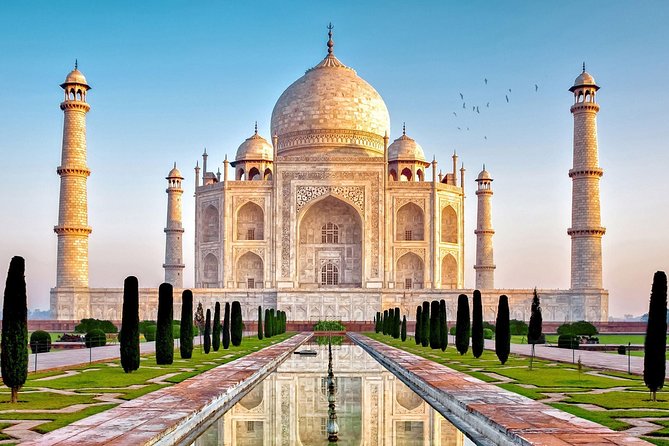
The Golden Triangle is famous for a reason: you’re stacking three of North India’s big historical layers into one trip. The trick is not letting the travel grind swallow your sightseeing time. This tour tries to solve that by keeping things private and using a comfortable, air-conditioned car for the main hops between cities.
From Jaipur, you’ll point west to Agra, then roll into Delhi for a half-day city tour. Because transfers are approximate and traffic can change everything, it helps that the schedule still keeps a clear target each day: Jaipur sights, Mughal masterpieces, then Delhi’s UNESCO-listed Qutb complex and central landmarks.
Day 1 in Jaipur: Fort Views, City Palace, and Jantar Mantar
Your first morning starts with pickup from your hotel, airport, railway station, or another location in Jaipur. Then you jump straight into a guided Jaipur city tour, which is exactly how you want Day 1 to feel: get your bearings fast and let someone else handle the route.
Amber Palace (Amer Fort): The big hilltop stop
Amer Fort sits high above the city. It’s one of those places where even if you’ve read about it, you still need to stand there and see the scale. The fort’s location also means great vantage points—your guide will help you connect the architecture to why it was built there.
Practical note: you’ll be spending time on-site, so comfortable shoes matter. Also, Jaipur can be hot or sunny depending on the season, so plan for sun protection.
Jal Mahal: A palace sitting in the lake
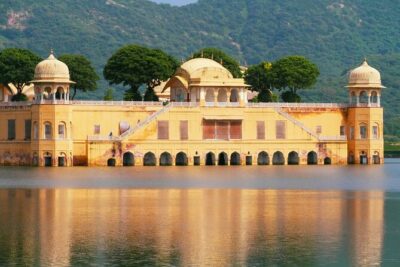
Jal Mahal is the sort of sight that looks almost unreal at first glance, since it’s set in the middle of Man Sagar Lake. It’s not just a photo stop; it gives you a quick sense of how royal design worked with water and landscape.
This is a short stop, but it adds variety after the fort, city palace, and astronomical instruments.
Delhi, Agra and Jaipur strung together

Jantar Mantar: Jaipur’s astronomical tool-kit
Jantar Mantar is a UNESCO-listed area of stone instruments built in the 1700s. It’s easy to walk past “science” sites without appreciating them, but with a guide, you can understand how the shapes were meant to measure the sky.
If you like facts with context, this is one of the more satisfying stops of the day.
City Palace and Hawa Mahal-area views
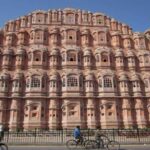
You’ll also visit the City Palace area, tied to the same rulers who shaped Jaipur. The tour includes time for the palace complex and then you’ll see the famous Hawa Mahal facade area, which is recognizable from postcards but still impressive in real life.
The day is packed with architecture, so pace matters. The best part of having a private guided day is that you can absorb the stories and not just rush through rooms.
End of Day 1: Transfer to your Jaipur hotel
After the guided sightseeing, you’ll be transferred to your hotel in Jaipur. If you’ve booked the option that includes accommodation, this is one of your hotel nights, with breakfast included for the next day.
Day 2: Chand Baori and Fatehpur Sikri on the way to Agra
Day 2 is where the Golden Triangle starts to feel like a real journey instead of three separate city visits. After breakfast, you head out toward Agra, stopping at two major sights along the way: Chand Baori in Abhaneri and Fatehpur Sikri.
Chand Baori stepwell: 3,500 steps of geometry and engineering
Chand Baori is a massive stepwell, famous for its deep, symmetrical design. The headline detail is the scale—water accessed by thousands of steps, built long ago. It’s not the kind of monument you fully understand from a distance, so you’ll want to take your time walking the edges and looking down.
This stop also breaks up the drive toward Agra, which helps keep the day from feeling like pure transit.
Fatehpur Sikri: Mughal city ruins with landmark scale
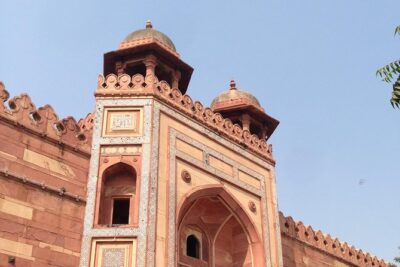
Fatehpur Sikri is a former Mughal city west of Agra, built under a 16th-century emperor. You’ll see the complex of red sandstone buildings clustered around the center, including Buland Darwaza, the main entrance gate.
What makes this stop special is that it gives you Mughal context before you reach Agra’s more iconic royal monuments. Taj Mahal is emotional, but Fatehpur Sikri helps explain the broader world of power, ceremonies, and city-building.
Arrival in Agra: Hotel check-in and reset
When you arrive in Agra, you check in and spend the night there. After two major sight stops, this is the right kind of breathing room—enough time to rest before the sunrise Taj Mahal day.
Day 3: Sunrise Taj Mahal, Agra Fort, and the Baby Taj

Day 3 is the big one. You’ll go to the Taj Mahal during sunrise, then have a guided tour inside for about two hours. Sunrise isn’t just a schedule gimmick; it changes the feel of the monument and gives you better light for appreciating the marble details.
You’ll also get the practical transport help: a battery bus ride from the Taj Mahal parking area up to the monument zone. That may not sound like a headline feature, but it saves energy and cuts time wasted on the shuttle-style logistics.
Taj Mahal at first light
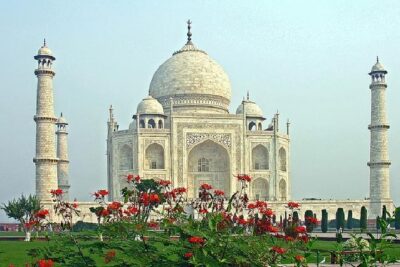
The Taj Mahal is an ivory-white marble mausoleum, and sunrise makes the color shift more noticeable. With a guide, you’re not just looking at a pretty building—you’re connecting the design, materials, and symbolism as you move through the grounds.
If you’re the type who likes to understand a place in layers, this is where the tour really pays off. You’ll cover the inside in a guided way instead of trying to puzzle it out alone.
Agra Fort: Mughal power outside the postcard view
After Taj Mahal, you’ll head to Agra Fort. It served as a major residence of Mughal emperors and remained central until the capital shifted. Unlike the single iconic building you associate with Agra, this fort is about scale and statecraft—the layers of rule written into walls and courtyards.
Expect a more fortress-like experience than a museum-like one. It’s a good contrast day-to-day.
Itmad-ud-Daula (the Baby Taj): smaller, detailed, satisfying
You’ll also visit Itmad-ud-Daula, often called the Baby Taj. The reason it earns that nickname is the jewel-box feel and careful craftsmanship. It’s a shorter stop than the big names, but it’s a chance to slow down and appreciate details you may have missed when you were focused on sheer grandeur.
If you want variety on a single day, this is a strong trio: sunrise Taj, then forts and mausoleum craftsmanship.
Evening in Agra
After the sights, you’ll be on hotel time. A day like this is intense in the best way, so don’t plan something heavy for dinner—give yourself a calm evening and sleep.
Day 4 in Delhi: Qutub Minar, India Gate, and Parliament-adjacent viewpoints

Your last day is a half-day guided tour in Delhi after breakfast, then drop-off at your preferred place in Delhi, Noida, or Gurugram.
This is a smart way to end the trip: you keep the final city manageable so you’re not exhausted when you’re ready to head onward.
Qutub Minar: UNESCO scale with architectural payoff
You’ll visit Qutub Minar, part of the Qutb complex, a UNESCO World Heritage Site. Qutub Minar is listed at about 72.5 meters tall, which means the structure is visibly dominant in the area even before you walk into the complex.
With a guide, the site becomes more than a tall tower. It’s part of how power and new styles took shape in Delhi over centuries.
India Gate: the ceremonial axis vibe
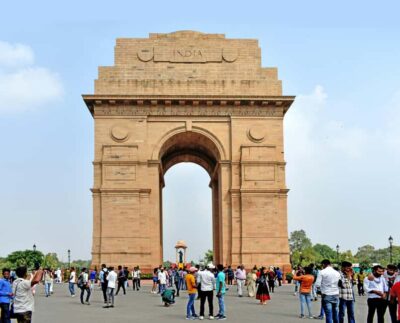
Next is India Gate, a war memorial on Rajpath (the ceremonial axis). This stop is quick, but it helps you understand modern Delhi’s layout—how the city organizes space for major national symbolism.
Rashtrapati Bhavan and Sansad Bhavan area
Your Delhi tour also includes stops near Rashtrapati Bhavan and Sansad Bhavan (Parliament building). These aren’t the kind of monuments where you need long hours, but they’re great for context and photo points if you’re interested in how government space sits on the city’s main avenues.
Agrasen ki Baoli: a lower-key Delhi classic
You’ll also stop at Agrasen ki Baoli, a protected monument. This one works well as a closing note because it feels more human-scale and less scripted than the big ceremonial sites nearby.
When you’re done, you’ll be dropped off at your chosen location—no last-minute scramble to find transport.
Price and Value: What $174.01 Includes and What You Still Pay
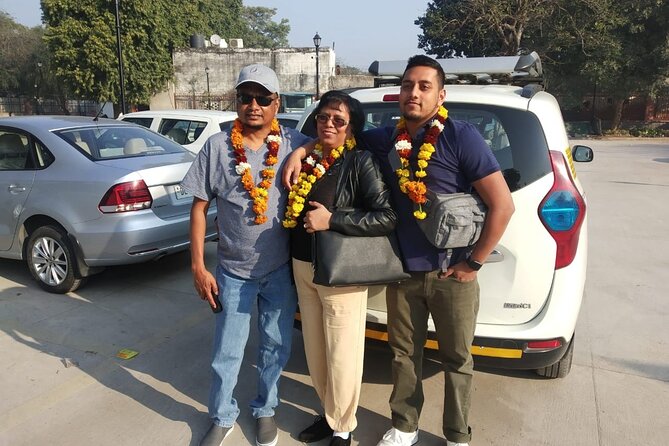
At $174.01 per person, this tour competes as a mid-range way to see three major cities without self-planning. You’re paying for the structure: private air-conditioned car, private local guides for sightseeing, and three nights of accommodation with daily breakfasts if you choose the hotel option.
A key value point is that the tour includes comfort and time management:
- Transport by private car with different vehicles based on group size
- Bottled mineral water and soft drinks during journeys
- Battery bus support at Taj Mahal
- A guide who helps you get entrance fees so you can avoid standing in line just to buy tickets
The main extra cost you should budget is entrances: about $60 per person in total for all monuments. Also remember tips are not included, and gratuities are optional.
If you care about reducing stress and saving hours of decision-making, this price can feel reasonable. If you already have your own transportation plan and you’re comfortable navigating sights without guides, you may find you can do parts cheaper. But then you’re trading convenience and interpretation for DIY time.
Pace, Rooms, and the Real-Life Comfort Factors That Matter
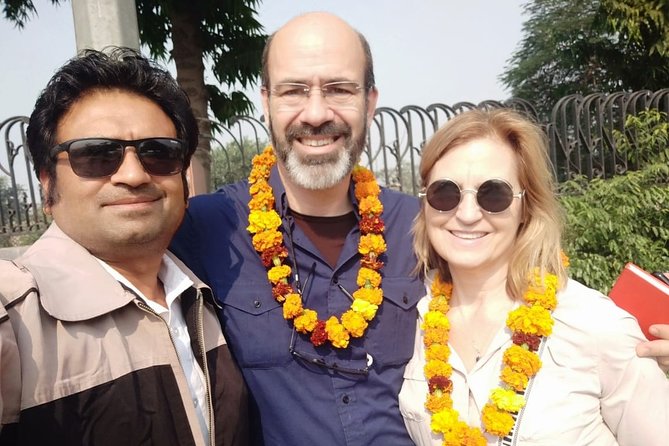
This tour is private, so it’s designed around your group. That means you’re not stuck with a chaotic pace or forced to wait for strangers to show up.
Car time and transfer timing
Transfer durations are approximate and depend on traffic. That’s normal in India, and it’s why private car service helps—you’re not sharing time with other groups or doing multiple pickups.
Hotel setup: twin-sharing by default
Rooms are generally twin-sharing. If a booking is for three people, triple-sharing is the default, and if you want two rooms instead, there may be an additional charge. If you’re picky about room layout, it’s worth clarifying early so you don’t arrive and wish for a different arrangement.
The human touch: driver and guide support
One guest specifically praised Sanjeev as friendly, funny, and patient, and also noted feeling safe the whole time. That kind of comfort matters on a route with long-ish drives and crowded sites.
Should You Book the 4 Day Golden Triangle Tour From Jaipur?
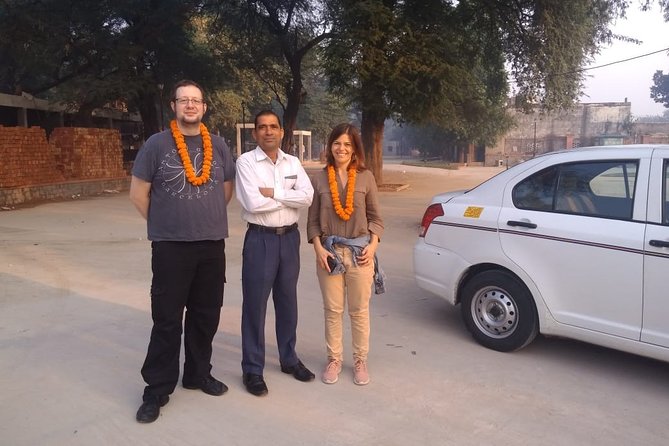
Book it if you want a guided, low-friction first Golden Triangle experience: Jaipur architecture, Agra’s big Mughal hits, and Delhi highlights—stitched together with private transport and breakfasts.
Skip it or price-check alternatives if entrance fees and your own DIY comfort reduce the value for you. Also consider whether sunrise Taj Mahal time and a busy sightseeing schedule fits your energy level.
If you like clear organization, friendly driver support, and guided explanations at the key sites, this is a sensible way to see the classics without turning your trip into a spreadsheet.
North to Delhi
- Golden Triangle & Ranthambore: 4-Day Private Tour from Delhi★ 5.0 · 355 reviews
- From Delhi: Private 3-Day Golden Triangle Tour with Hotels★ 4.9 · 339 reviews
- From Delhi: Private 5-Day Golden Triangle Tour★ 4.9 · 208 reviews
- Same Day Jaipur Tour from Delhi by Car or Train★ 5.0 · 87 reviews
- From Delhi: Private Jaipur & Amber Fort Guided Tour by Car★ 4.8 · 84 reviews
- Golden Triangle Tour – Delhi-Agra-Jaipur★ 5.0 · 73 reviews
The Golden Triangle, End to End
- Golden Triangle & Ranthambore: 4-Day Private Tour from Delhi★ 5.0 · 355 reviews
- From Delhi: Private 3-Day Golden Triangle Tour with Hotels★ 4.9 · 339 reviews
- From Delhi: Private 5-Day Golden Triangle Tour★ 4.9 · 208 reviews
- Golden Triangle Tour – Delhi-Agra-Jaipur★ 5.0 · 73 reviews
- 3-Days Golden Triangle’s Private Tour★ 5.0 · 69 reviews
- Private 6-Day Golden Triangle Tour: Delhi, Agra, Jaipur by Car★ 5.0 · 60 reviews
East to Agra and the Taj
- Skip The Line: Sunrise Taj Mahal & Agra Day Tour From Jaipur★ 5.0 · 251 reviews
- Same Day Taj Mahal, Agra Fort & Baby Taj Tour from Jaipur by Car★ 5.0 · 242 reviews
- From Jaipur: Private Taj Mahal & Agra Day Trip with 5* Lunch★ 4.9 · 161 reviews
- Golden Triangle Tour – Delhi-Agra-Jaipur★ 5.0 · 73 reviews
- From Jaipur: Taj Mahal & Agra Private Guided Day Tour★ 4.9 · 68 reviews
- Private 6-Day Golden Triangle Tour: Delhi, Agra, Jaipur by Car★ 5.0 · 60 reviews
Newly Added Jaipur Reviews



More from Taj Mahal & Agra Day Trips.
 ★ 5.0Skip The Line: Sunrise Taj Mahal & Agra Day Tour From JaipurFrom $72251 reviews
 ★ 5.0Same Day Taj Mahal, Agra Fort & Baby Taj Tour from Jaipur by CarFrom $73242 reviews
 ★ 4.9From Jaipur: Private Taj Mahal & Agra Day Trip with 5* LunchFrom $5161 reviews
Golden Triangle Tour – Delhi-Agra-JaipurFrom $32273 reviews
★ 4.9From Jaipur: Private Taj Mahal & Agra Day Trip with 5* LunchFrom $5161 reviews
Golden Triangle Tour – Delhi-Agra-JaipurFrom $32273 reviews
 ★ 4.9From Jaipur: Taj Mahal & Agra Private Guided Day TourFrom $5368 reviews
 ★ 5.0Private 6-Day Golden Triangle Tour: Delhi, Agra, Jaipur by CarFrom $21560 reviews
 ★ 5.0Private Transfer From Jaipur to Agra including Fatehpur SikriFrom $4258 reviews
 ★ 5.0Private Same-Day Taj Mahal & Agra Fort Tour from Jaipur by CarFrom $4552 reviews